
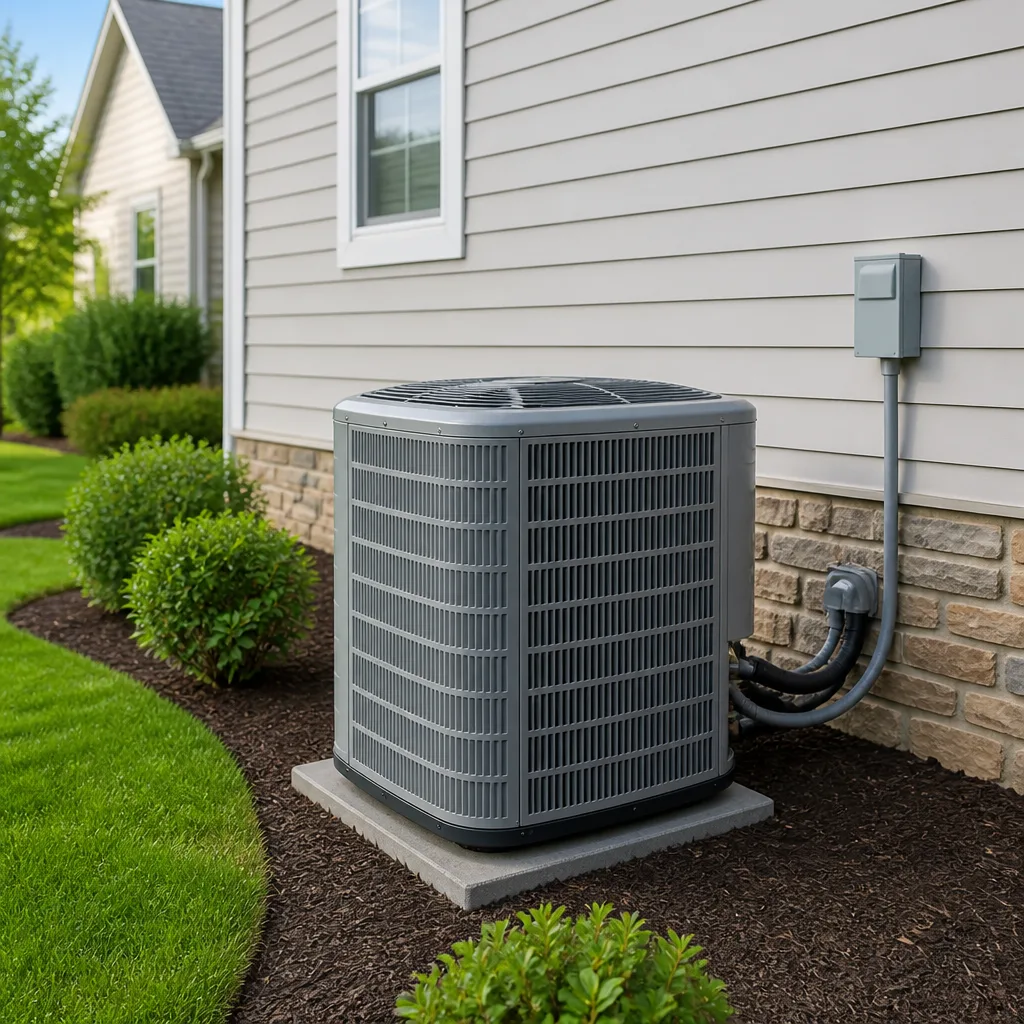
 Carrier
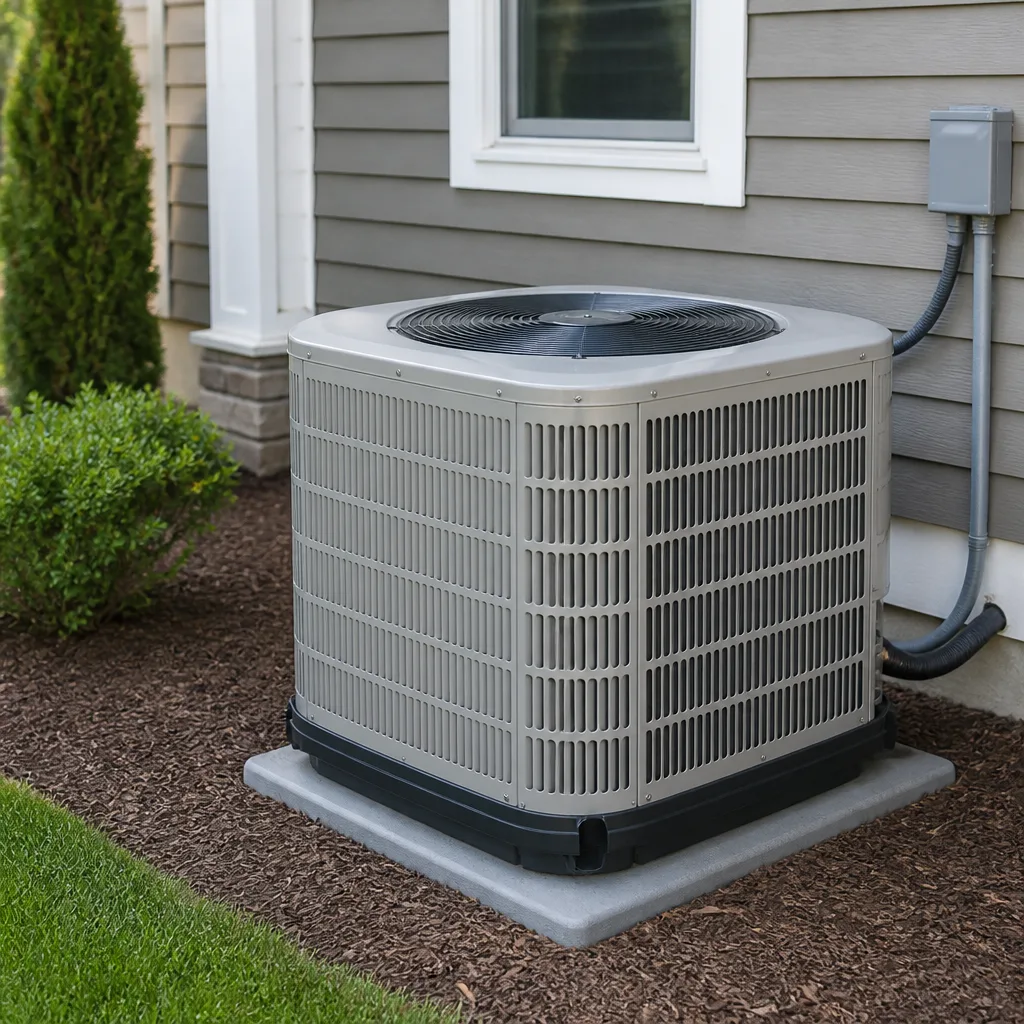 AC repair
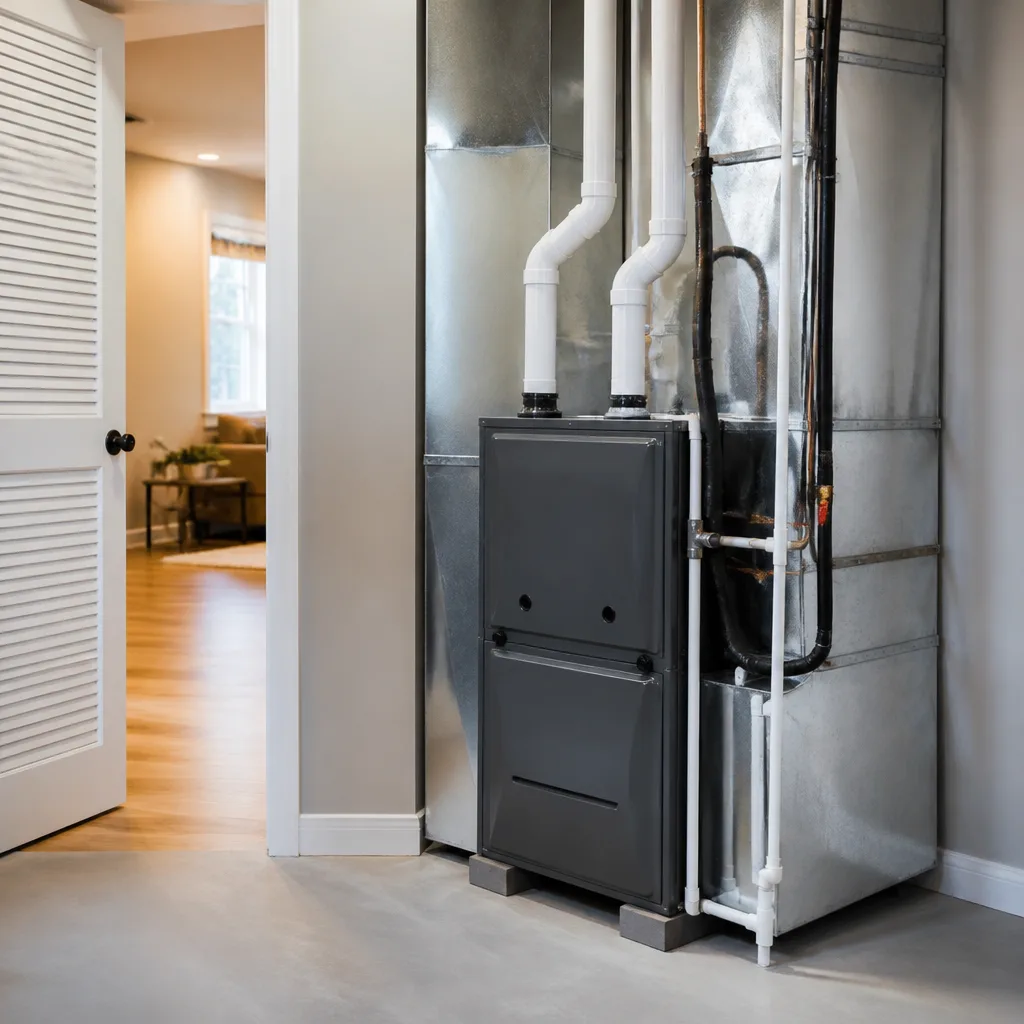 Furnace & heating
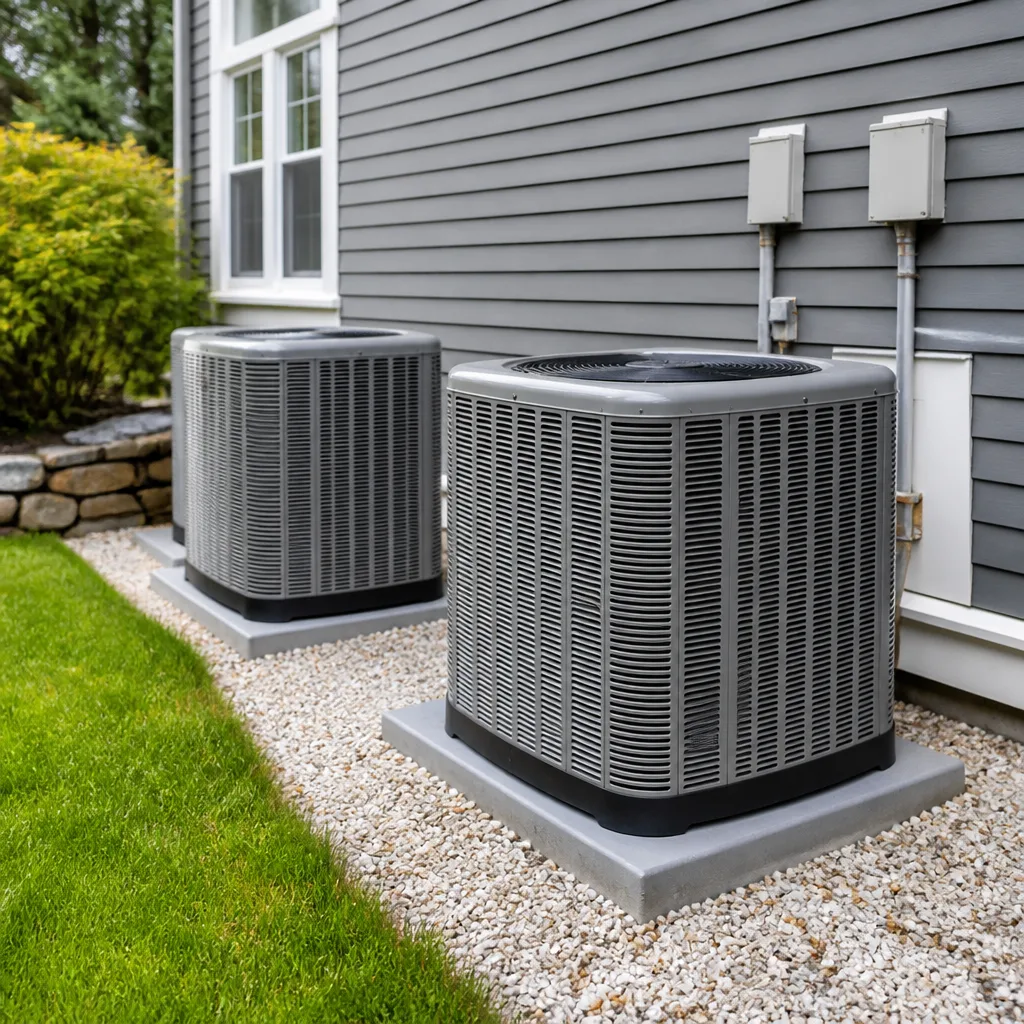 Heat pumps
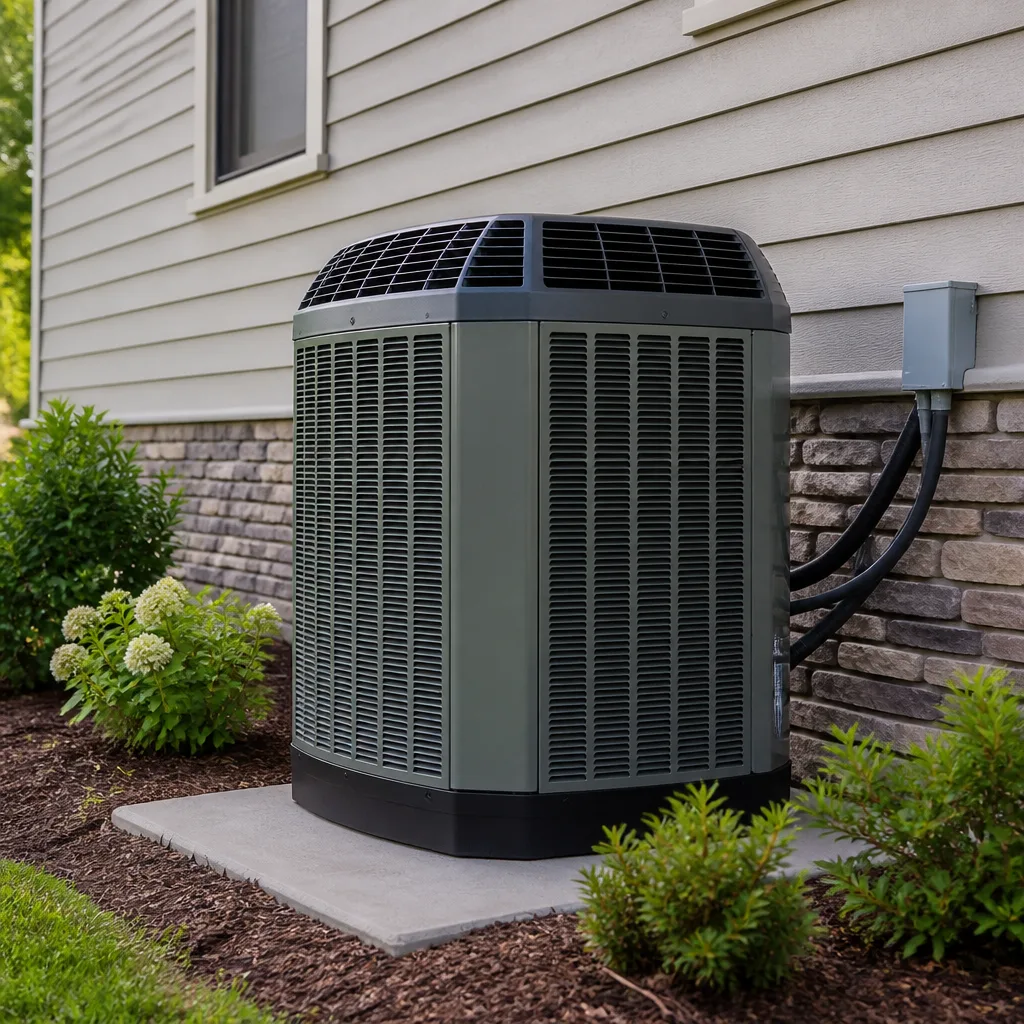 Trane
Trane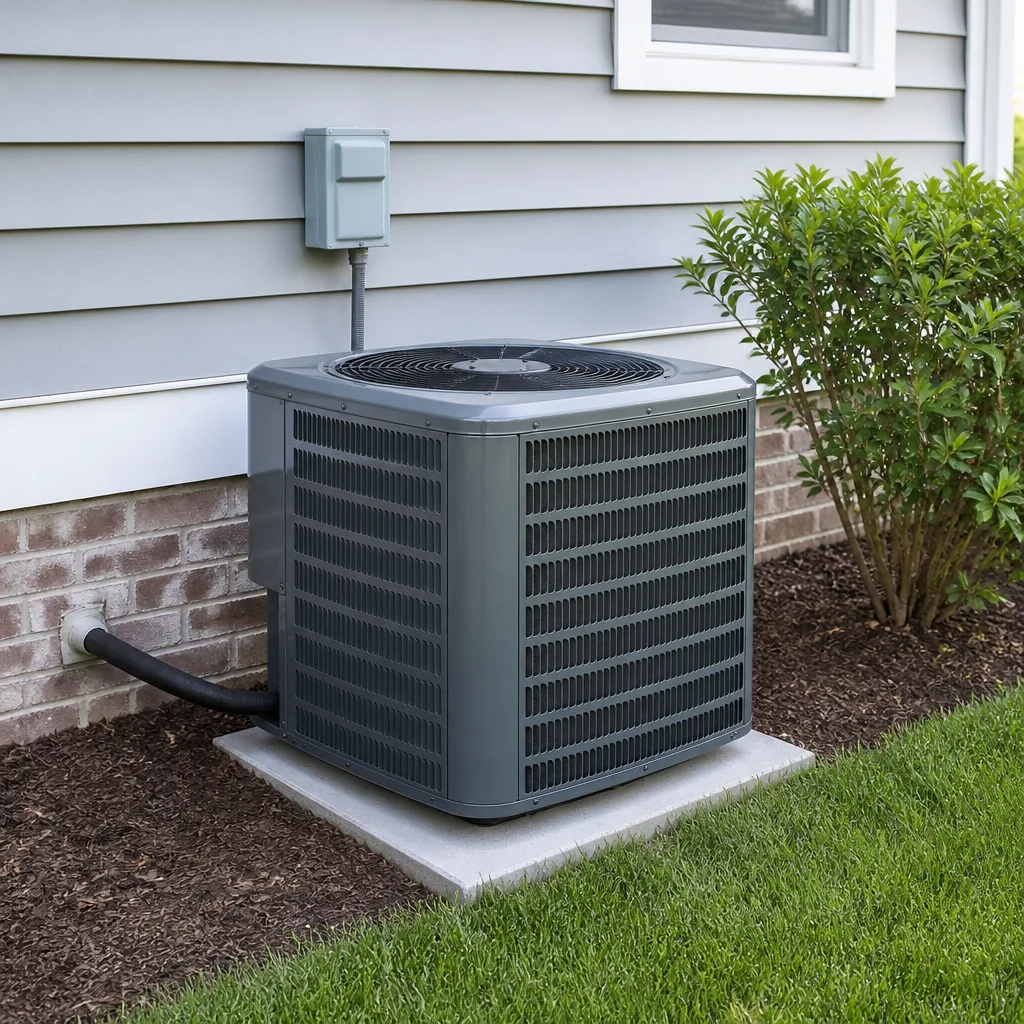 Goodman
Seasonal tune-up and full diagnostic on your Carrier, Trane, or Goodman system - readings shown to you before any repair is proposed
Diagnosis first, numbers second - you approve the repair price before a single part goes in.
Get your free estimateCarrier Capacitor Replacement: The Atlanta Owner’s Guide
A Carrier capacitor replacement in Atlanta typically runs $180 – $340 installed, parts and labor included, and most swaps are done same-day from our stocked truck inventory. Capacitors are one of the most common failure points on Carrier condensing units, especially after a few Atlanta summers of 95-degree days with the system cycling constantly. You’ll usually know it failed because the outside unit hums but the fan won’t spin, or the compressor won’t kick on at all.
The capacitor is the small cylinder inside your condenser that stores and releases the electrical charge needed to start the compressor and fan motor. When it dies, your system either won’t start or pulls too much amperage trying, which can cook the compressor if you let it go. In Buckhead’s older homes especially, we replace these on Carrier units that have been running hard for 10-plus years. Devin Marlowe has pulled enough swollen, leaking capacitors out of Atlanta condensers to diagnose one by sound before the panel even comes off.
Key takeaways:
- Installed price in Atlanta: $180 – $340, parts and labor
- We stock Carrier-spec capacitors on the truck for same-day replacement
- Every replacement includes our written 365-Day Done Right Promise
- A failing capacitor left alone can damage the compressor, which is a $1,500+ fix
Which Carrier Models This Applies To
Carrier has used round and oval run capacitors across nearly every residential condensing unit line for the past three decades, including the Comfort, Performance, and Infinity series. The specific capacitor your unit needs depends on the voltage and microfarad (µF) rating printed on the original part, not just the model number. Most Carrier residential condensers use dual-run capacitors rated between 35/5 µF and 80/10 µF at 370 or 440 volts. That slash rating matters: it means one capacitor handles both the compressor and the fan motor, and the replacement has to match both numbers within 5% tolerance.
The compatibility gotcha we run into constantly in Atlanta is this: a 370-volt capacitor will physically fit where a 440-volt belongs, but it’ll fail within a season or two under Georgia heat load. Carrier specs the higher-rated 440-volt part on many units for exactly that reason. We match the original spec, never downgrade. We also stock quality aftermarket equivalents from AmRad and Titan HD, which meet or exceed Carrier OEM tolerances. Independent service providers like us are not affiliated with Carrier, but we service their equipment daily and keep the right capacitor variants on hand for Comfort, Performance, and Infinity series units.
Styles & brands we work with
Signs Your Carrier Capacitor Replacement Is Failing
- The outside unit hums but the fan isn’t spinning. This is the classic weak-capacitor symptom. The motor can’t get the starting torque it needs, so it just sits there buzzing until the thermal overload trips.
- The compressor short-cycles on and off. A capacitor that has drifted out of spec can’t hold the charge the compressor needs to stay running, so the system starts, stutters, and shuts down repeatedly.
- Your AC is running but blowing warm air. The fan may be spinning, but if the compressor half of a dual-run capacitor is failing, the compressor isn’t actually doing its job. You’re moving air, not cooling it.
- The capacitor case looks swollen or is leaking oil. Capacitors are sealed metal cylinders. When the internal dielectric breaks down from heat, the case bulges or splits and leaks a small amount of oil. If you see this, it’s already dead.
- Your energy bill spikes without more usage. A failing capacitor makes the compressor draw more amperage to run. The system works harder to do the same job, and your Georgia Power bill shows it.
See the difference
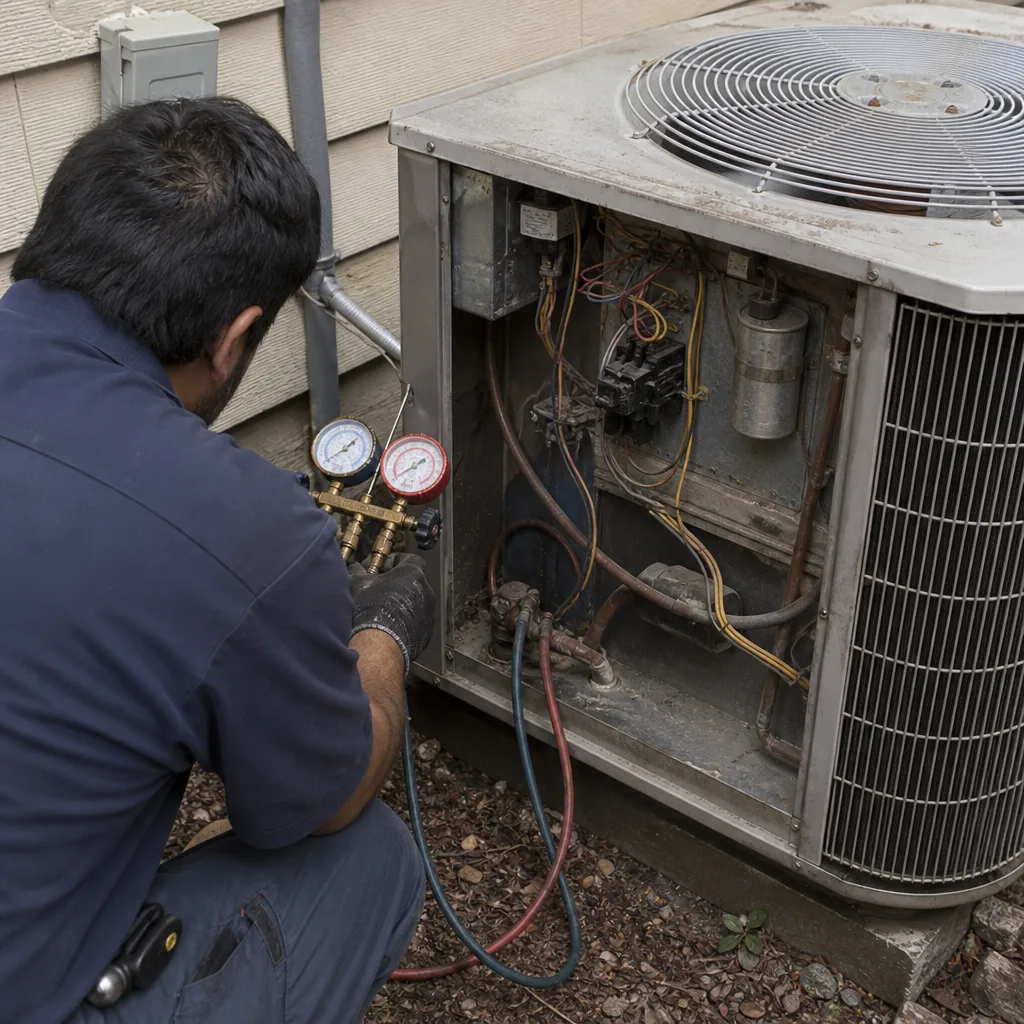 Before
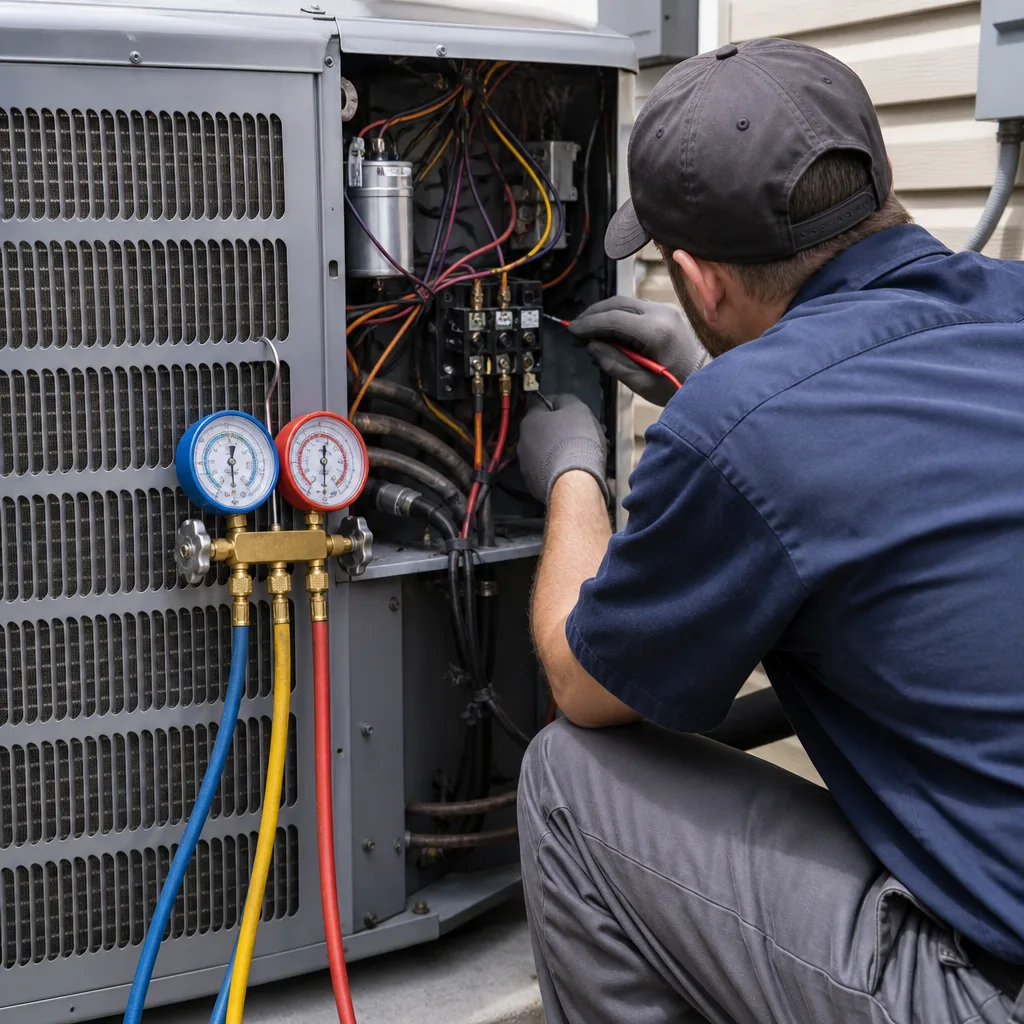 After
After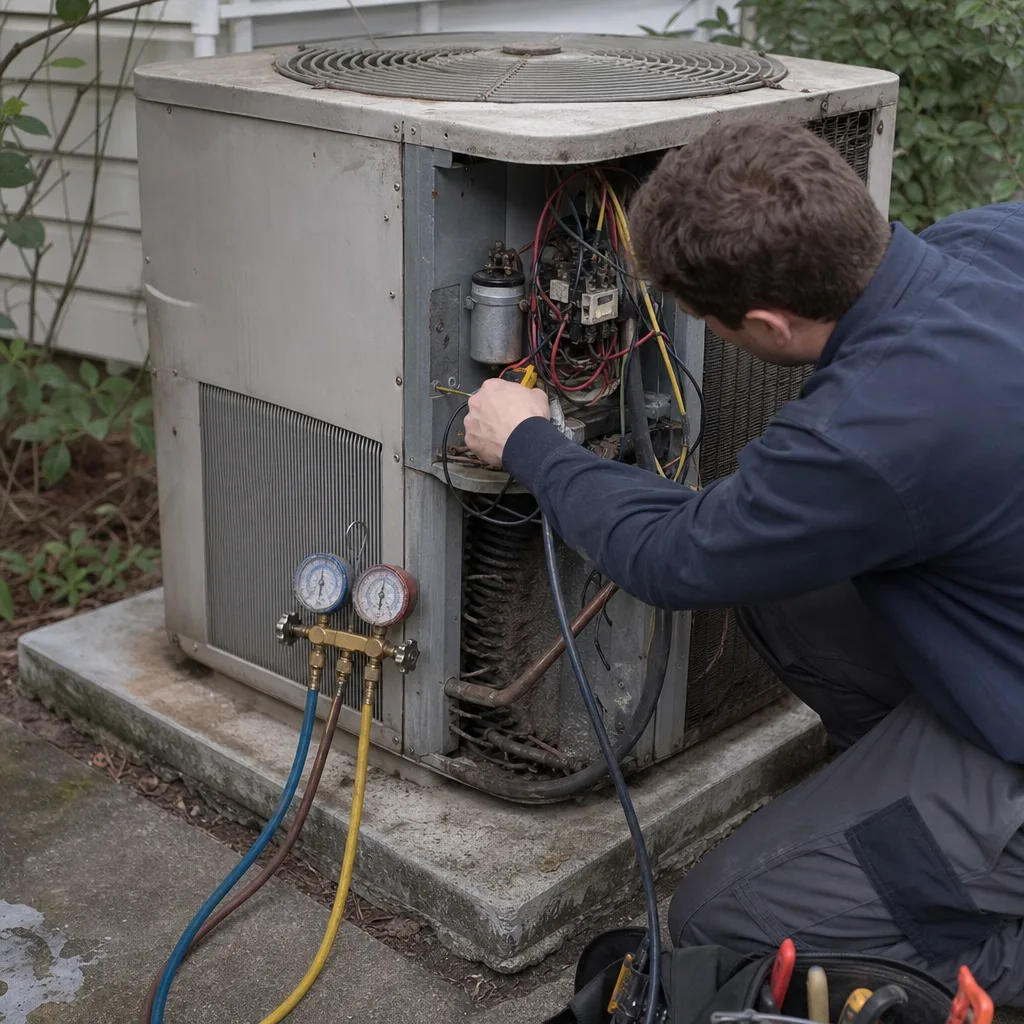 Before
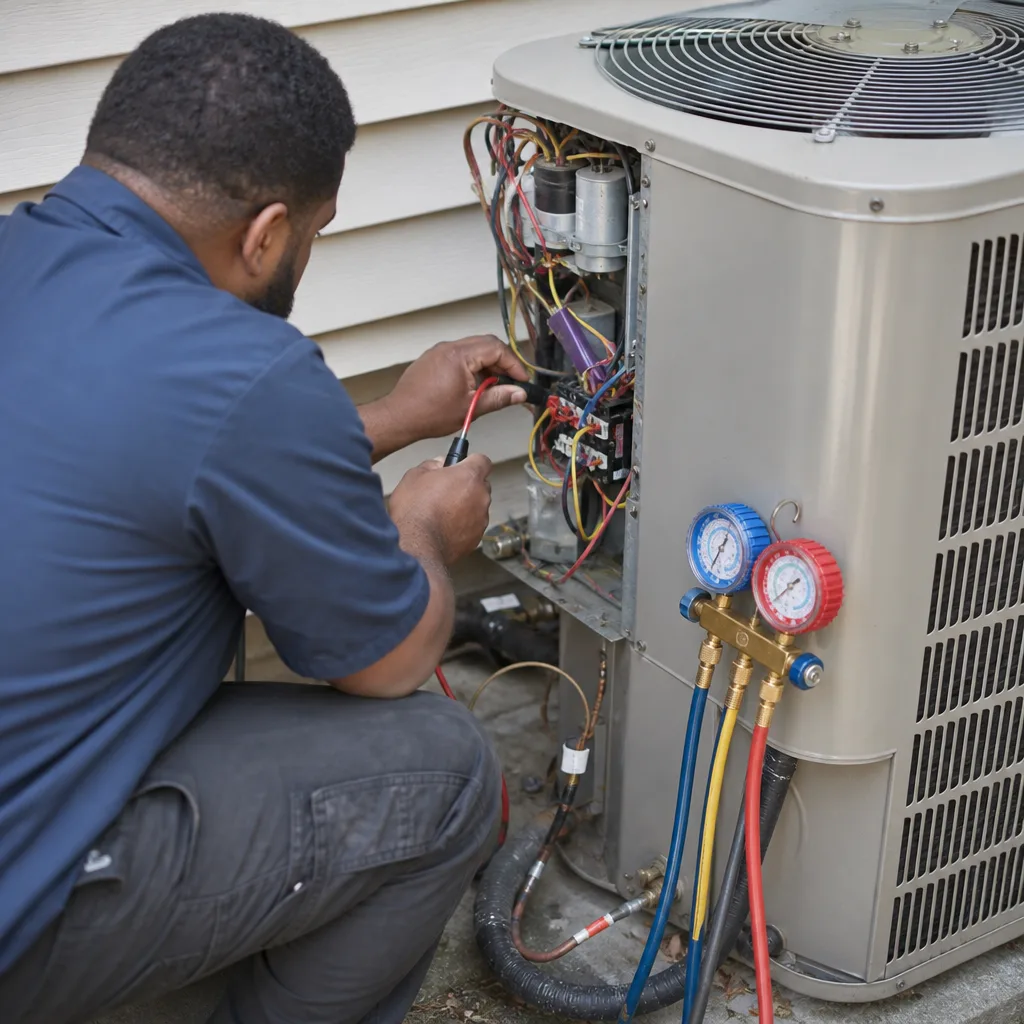 After
After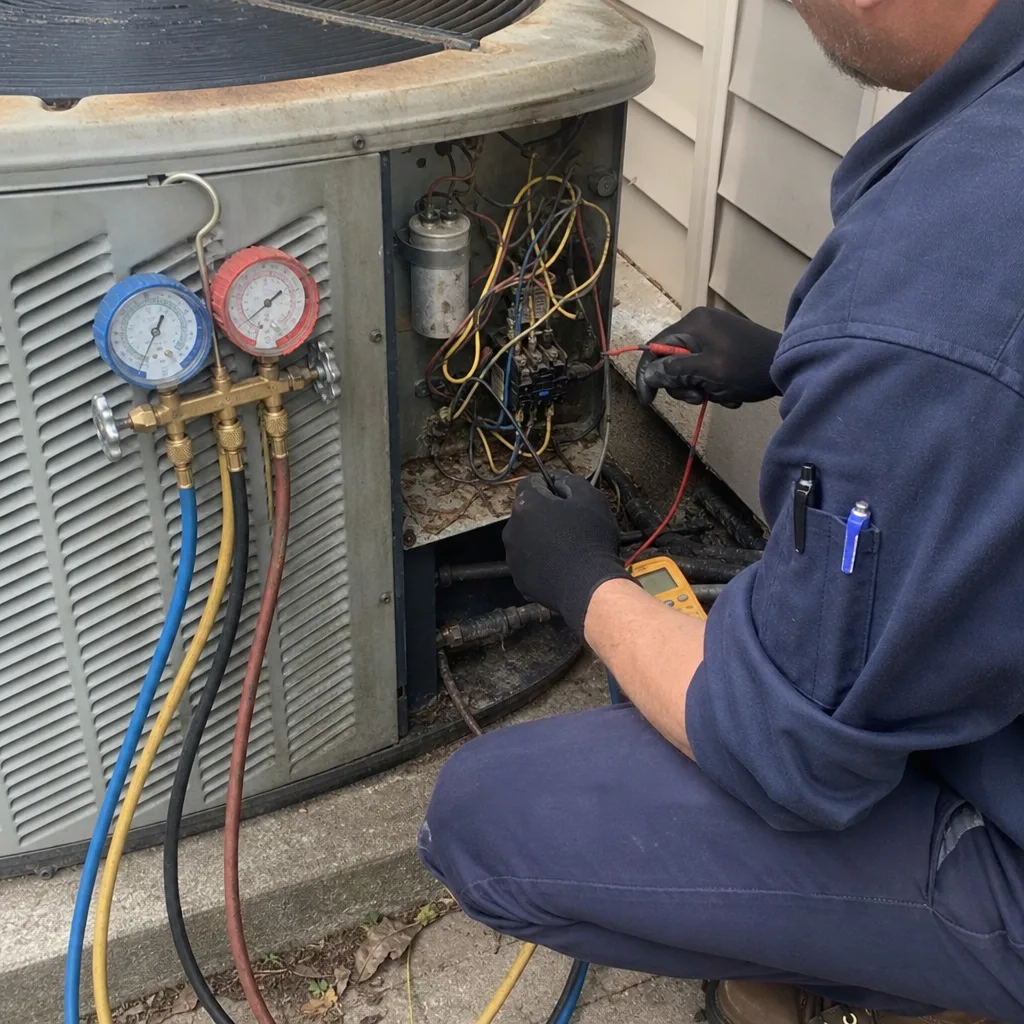 Before
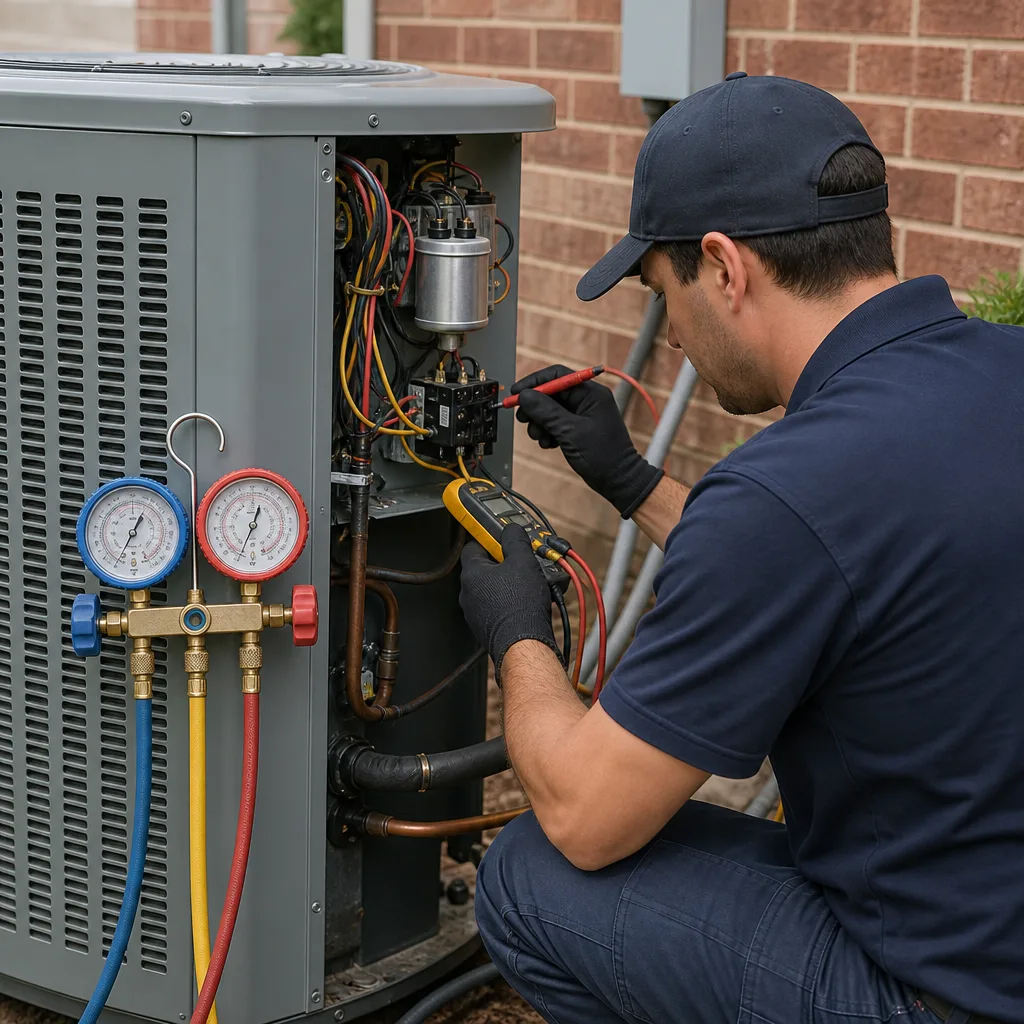 After
AfterReplacement Cost & What’s Included
In Atlanta, you should expect to pay between $180 and $340 for a Carrier capacitor replacement, installed. The part itself is inexpensive, typically $20 – $70 for a quality Carrier-spec or AmRad replacement. The rest is labor, diagnostic time, and the truck stock we carry so you’re not waiting on a parts order. A basic single-capacitor swap on an easily accessible unit lands at the low end. A dual-run capacitor replacement on an older Carrier with a rusted panel, poor access, or a second capacitor for a hard-start kit lands at the higher end.
Here’s the honest breakdown:
| Service | Typical Atlanta Price |
|---|---|
| Capacitor diagnostic (if the cap tests bad) | $75 – $125 |
| Carrier-spec capacitor part | $20 – $70 |
| Labor for standard replacement | $85 – $145 |
| Total installed | $180 – $340 |
Every capacitor replacement from us includes a written price before any work starts, and the repair is covered by our 365-Day Done Right Promise. If that capacitor fails within 365 days, we return and replace it at no charge. No argument, no diagnostic fee, no fine print. Call (762) 465-4570 and we’ll give you a fixed number before the truck rolls.
DIY or Call Us?
We’ll be straight with you: a capacitor stores voltage even after the power is off, and touching the wrong terminal can hurt you. That’s not scare language, it’s the reality of working with electrical components that hold a charge. What you can safely do is look at the capacitor through the condenser access panel after shutting off the breaker at the disconnect box. If the case looks swollen, split, or oily, you’ve found the problem. Don’t touch it, and don’t try to discharge it with a screwdriver. The discharge step alone sends plenty of Atlanta DIYers to urgent care every summer.
A professional swap takes 30 – 45 minutes and includes testing the new capacitor’s voltage output under load, checking the contactor for pitting while the panel’s open, and confirming the compressor is drawing the proper amperage after startup. That last step matters: if a failed capacitor damaged the compressor, you’ll want to know now, not in August. We’ll tell you what we find, show you the test results, and give you a written price before any repair begins. If your Carrier system is down and it’s 98 degrees in Atlanta, call (762) 465-4570. We answer live, 24/7.
FAQs
In Atlanta’s climate, a Carrier capacitor typically lasts 5 to 10 years. The heat and humidity here accelerate capacitor aging because the system runs more hours per year and the condenser’s internal temperature stays higher than in cooler climates. We replace more capacitors in July and August in Atlanta than any other months, and units over 10 years old are on borrowed time.
No. Capacitors are sealed, non-serviceable components. Once the internal dielectric breaks down, the only fix is replacement. Anyone offering to “repair” a capacitor is either misdiagnosing the problem or wasting your money. Call (762) 465-4570 and we’ll tell you straight whether the capacitor is actually your issue.
A standard Carrier capacitor replacement takes 30 to 45 minutes from panel-off to system test. Most Atlanta customers are back to cool air within the hour. We stock the common Carrier capacitor ratings on the truck, so there’s no parts-run delay in most cases.
Yes. We keep Carrier-spec and AmRad dual-run capacitors in the common 35/5, 40/5, 45/5, and 80/10 µF ratings on our trucks. We also stock Trane and Lennox capacitor variants for multi-brand households. If you’ve got an oddball spec, we can usually source it same-day in Atlanta.
Written by Devin Marlowe, Owner, Brandt HVAC Co Atlanta at Brandt HVAC Co Atlanta, serving Atlanta and nearby areas.