
 AC repair
 Furnace & heating
 Heat pumps
 Carrier
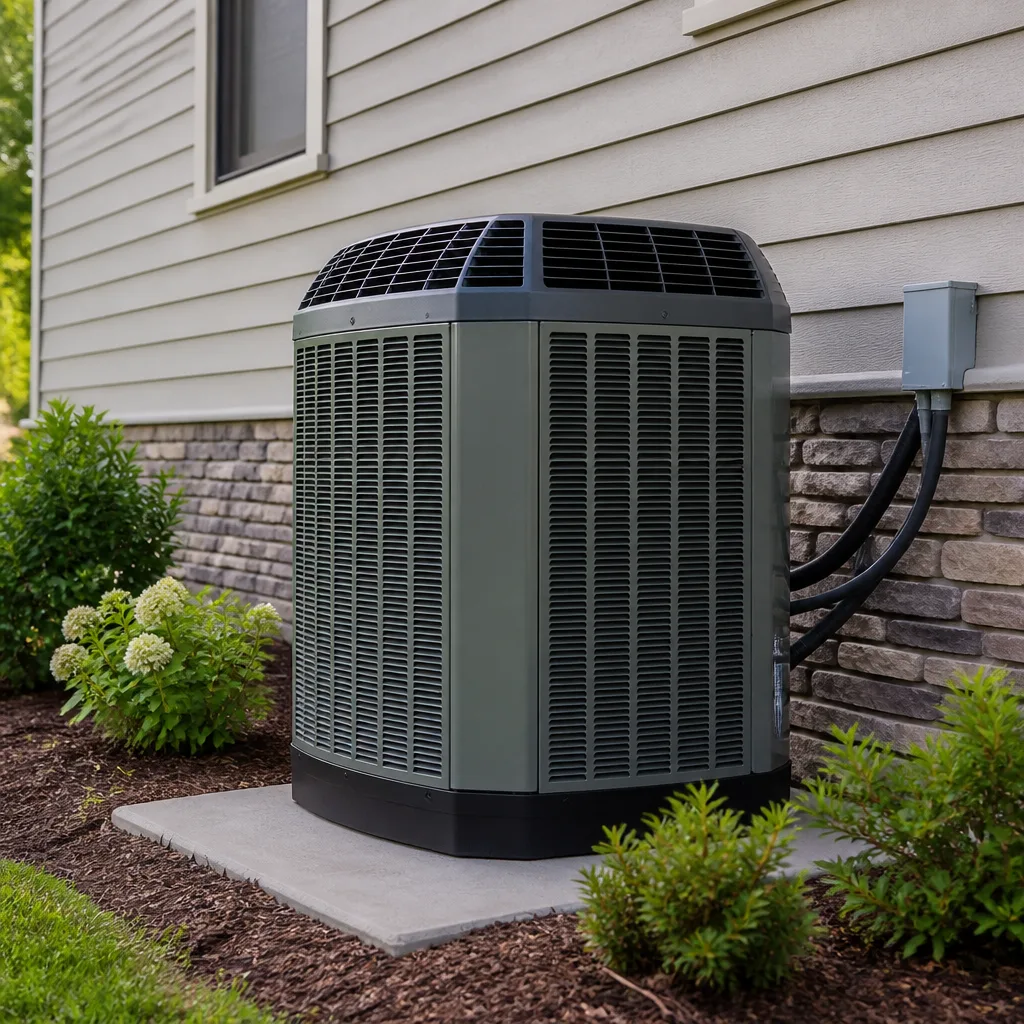 Trane
Trane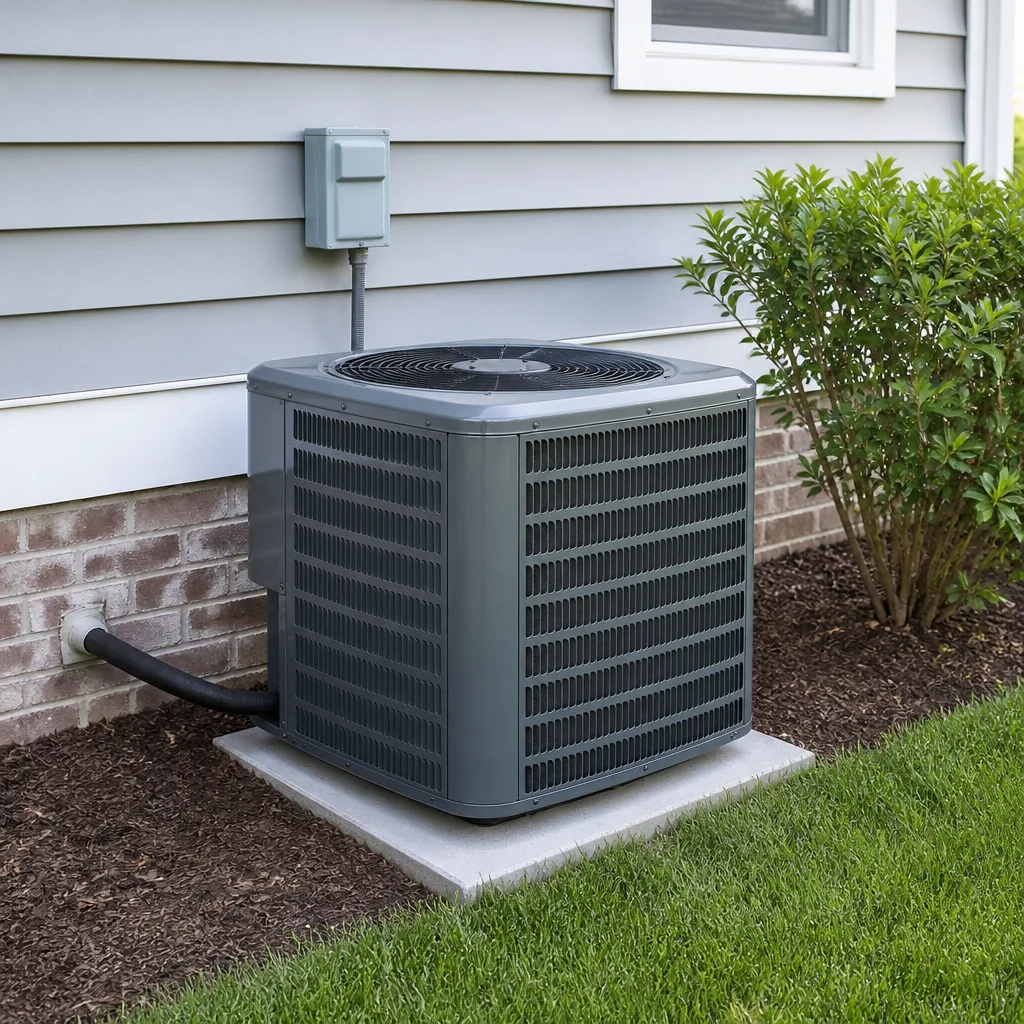 Goodman
Seasonal tune-up and full diagnostic on your Carrier, Trane, or Goodman system - readings shown to you before any repair is proposed
Diagnosis first, numbers second - you approve the repair price before a single part goes in.
Get your free estimateDaikin Ductwork Repair: The Atlanta Owner’s Guide
Daikin ductwork repair in Atlanta typically runs $150 – $650 installed, depending on whether we’re sealing a separated joint, replacing a crushed section, or rebuilding a plenum. We stock common Daikin-compatible duct fittings, collars, mastic, and flex duct on our trucks, so in most cases we can handle the repair same-day. Most Atlanta homeowners discover a ductwork problem the same way: one room that never cools right in August, a sudden dust film on the furniture, or a utility bill that climbs for no obvious reason.
Here’s the thing about ductwork most people don’t realize until something goes wrong: the ducts are the part of your Daikin system you never see, but they carry every bit of air you pay to heat and cool. When a duct fails in an Atlanta attic, where summer temperatures regularly push past 130 degrees, your Daikin unit works harder to push conditioned air through a leak. Devin Marlowe has pulled apart enough attic duct runs in Buckhead and Decatur to tell you plainly: duct problems don’t fix themselves, and they always cost more the longer you wait.
Brandt HVAC Co Atlanta is an independent service provider, not affiliated with Daikin Industries. We work on their equipment every week because it’s well-built and common across Atlanta homes. That also means we know which duct components match up cleanly with Daikin air handlers and which generic parts cause airflow problems down the line.
Key takeaways:
- Daikin ductwork repair in Atlanta typically costs $150 – $650 installed
- Most duct repairs are same-day jobs when you call before noon
- Every repair gets a written price before work starts and a written guarantee
- Leaky ducts in Atlanta attics force your Daikin system to run longer and cost you money every month
Which Daikin Models This Applies To
Ductwork isn’t model-specific the way a control board or blower motor is, but the connection points are. Daikin residential systems in Atlanta run through a range of air handlers, from the compact FIT series to the larger communicating units paired with Daikin One thermostats. The duct connections on these air handlers vary in size, and mixing up a 16-inch return collar with a 14-inch one is a mistake we’ve seen cause months of poor airflow before someone finally climbs into the attic to check.
If you’re trying to identify what you have, look at the data plate on your Daikin air handler or furnace cabinet. You’ll see a model number starting with DZ, DX, or DM for many Atlanta installs, along with the tonnage printed right on the label. That tonnage matters because it tells us the minimum return air opening your duct system should have. A two-ton Daikin system needs a certain duct capacity; undersize the return and you’ll hear it as a whistle at the return grille and feel it as weak airflow at the farthest register.
Here’s one compatibility gotcha we run into often in Atlanta: Daikin communicating systems use temperature sensors in the air handler and at the thermostat, and they expect certain static pressure ranges. When a homeowner patches a duct leak with the wrong material or kinks flex duct in a tight attic corner, the system senses the restriction and may throw a fault code that looks like an equipment problem. It’s actually a duct problem. We diagnose this by measuring static pressure, not by guessing.
On the OEM-vs-aftermarket question: we use both. For sheet metal transitions, takeoffs, and plenums, quality aftermarket components from Atlanta supply houses are indistinguishable from what the original installer used. For anything that touches a Daikin-specific connection, like a factory air handler base or a communicating accessory, we order OEM. The rule is simple: if the part carries the warranty burden or the system communication depends on it, match Daikin specs exactly.
Styles & brands we work with
Signs Your Daikin Ductwork Repair Is Failing
- One room that never reaches the thermostat setting. Usually a collapsed or kinked flex duct branch, or a takeoff that’s come loose at the main trunk. The air is leaving the system; it’s just not arriving where you want it.
- Dust accumulating faster than normal on surfaces near the return. A return duct drawing air from an unconditioned attic space pulls in insulation fibers, dust, and whatever else is floating around up there. It’s not your cleaning routine; it’s a duct leak on the return side.
- A musty or stale smell when the system first kicks on. Condensation forming where warm attic air meets a cold duct surface, or a leak pulling humidity into a duct run. Atlanta’s summer humidity makes this one show up fast.
- Higher cooling bills with no change in usage. Leaky or disconnected ducts can waste 20 to 30 percent of the air your Daikin system produces. That’s money out the attic vent, every billing cycle.
- Visible damage you can see from the attic access. Crushed flex runs where someone stored boxes on top of them, separated joints at the trunk line, or ductwork hanging loose from its supports. If you can see it with a flashlight, it’s been failing for a while.
Replacement Cost & What’s Included
Daikin ductwork repair in Atlanta runs $150 – $650 installed for the large majority of jobs we do. At the low end, you’re looking at resealing a separated joint at a supply run, replacing a short section of flex duct, or reattaching a loose takeoff. At the higher end, we’re rebuilding a supply plenum that’s come apart, replacing a crushed main trunk section, or correcting undersized return ductwork that’s been choking the system since day one.
What drives the range is three things: the size of the duct section, how accessible it is (an Atlanta attic in July makes an hour of work feel like three), and whether we need materials beyond what’s on the truck. Before any work starts, you get a written price that covers parts, labor, and any attic-specific materials like mastic, zip ties, and support strapping. No adding a materials line at the end. No surprises.
Every ductwork repair we do carries the 365-Day Done Right Promise. If the repair fails within a year, we come back at no charge. That’s the whole deal: know what’s wrong, know what it costs, know it’s covered.
See the difference
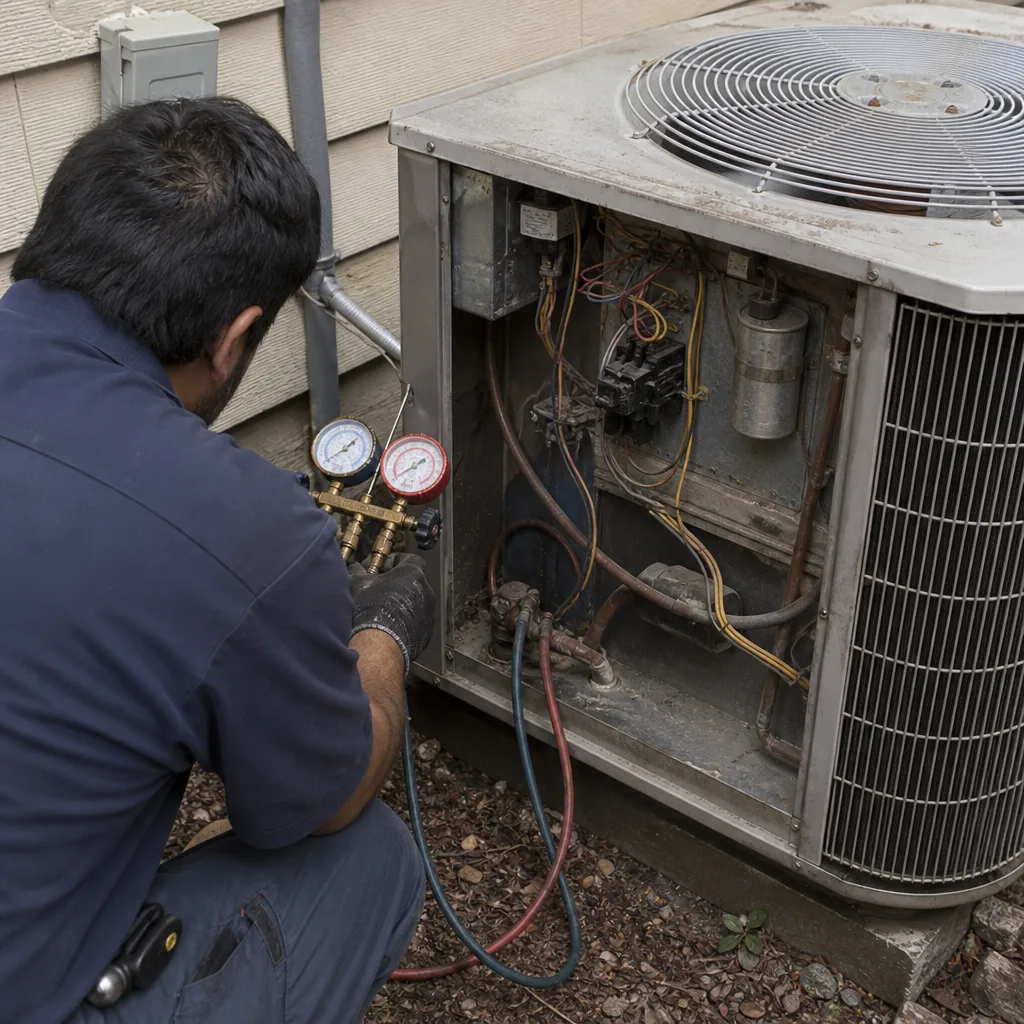 Before
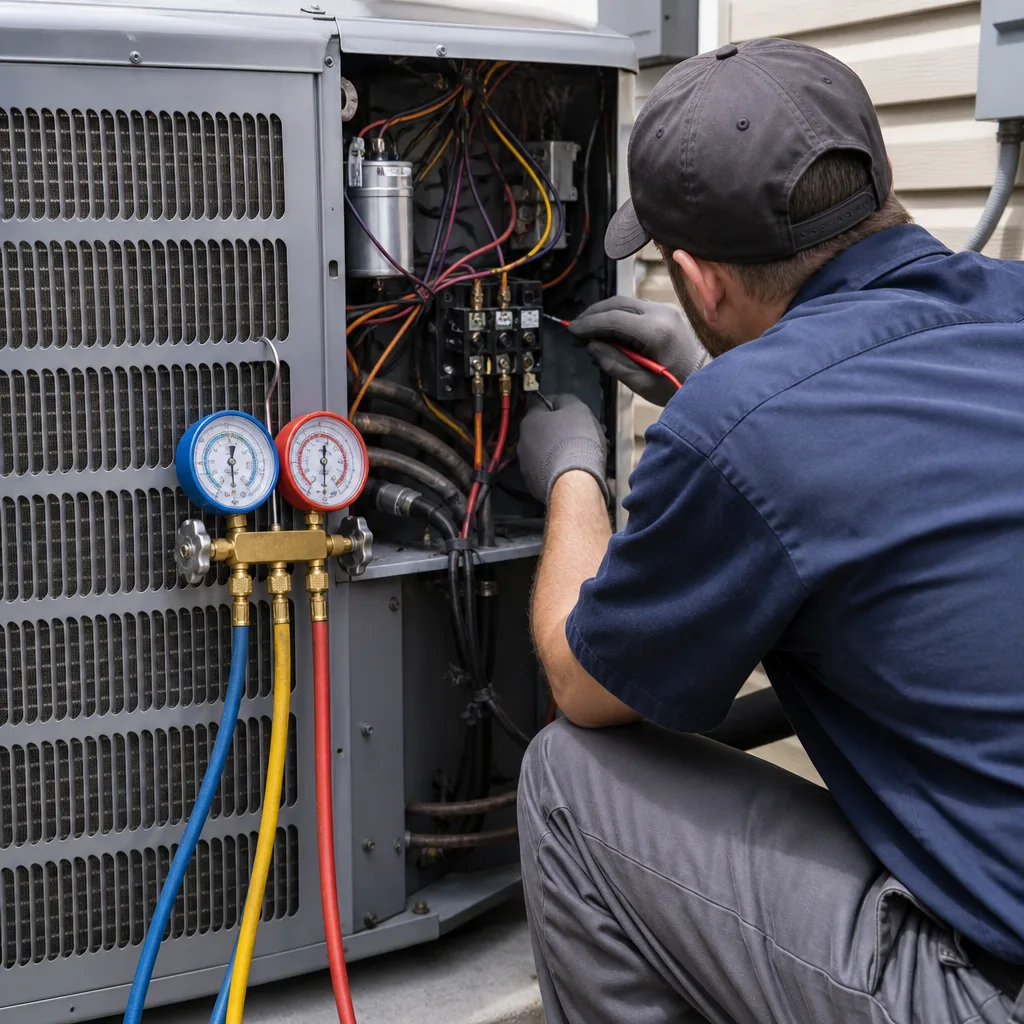 After
After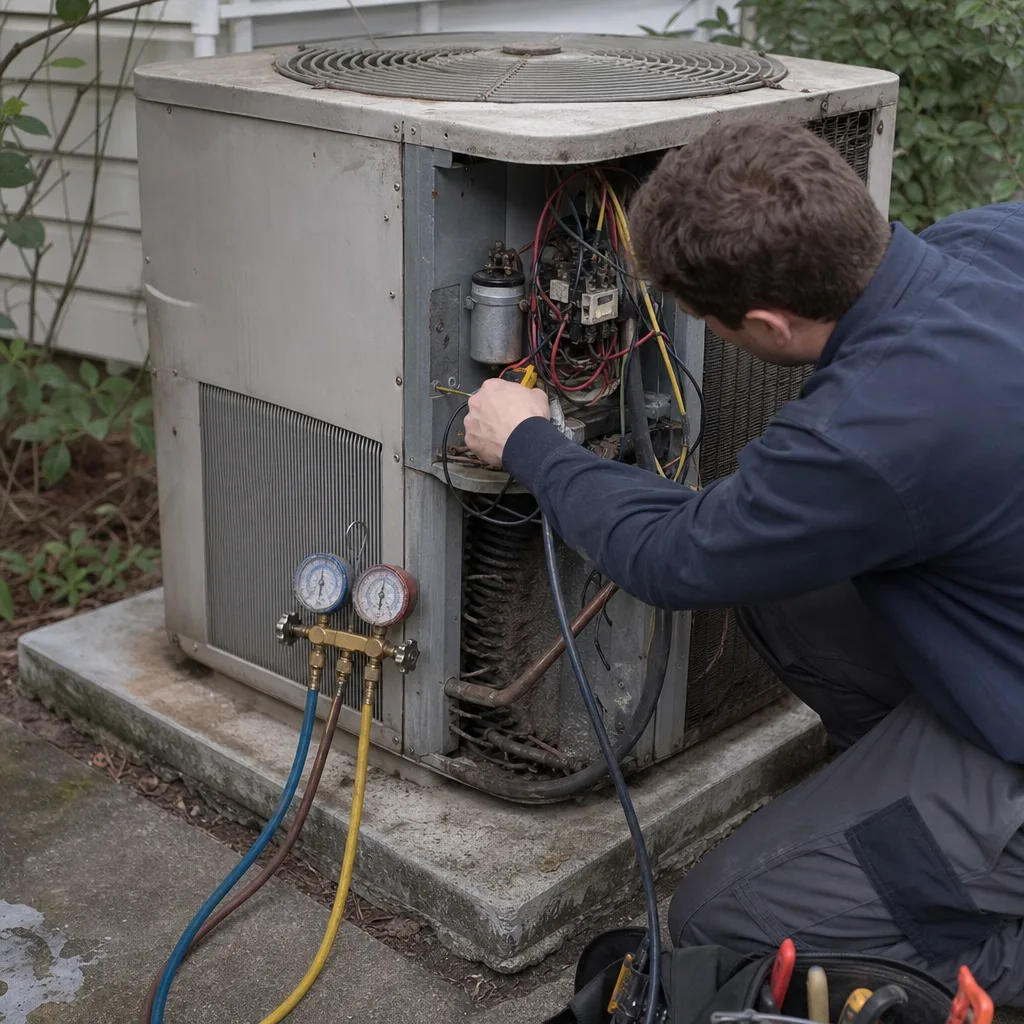 Before
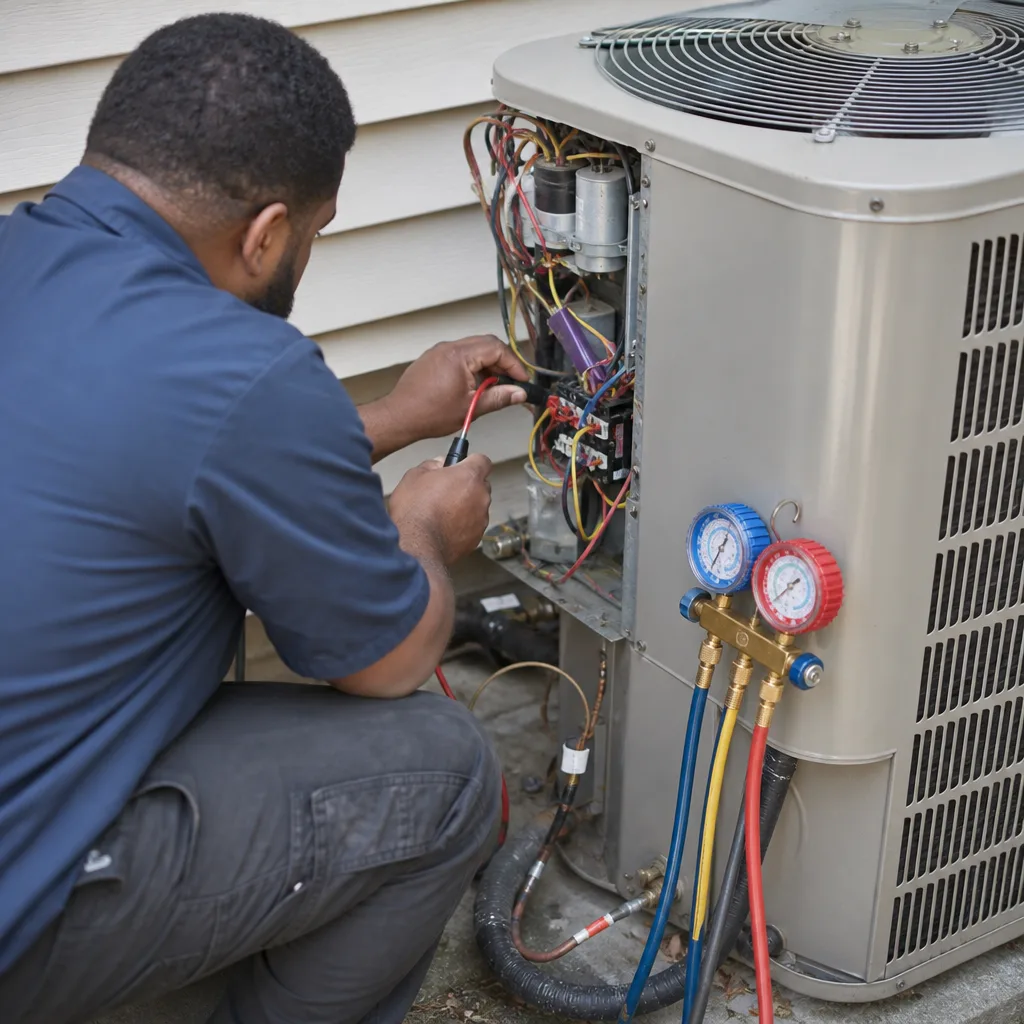 After
After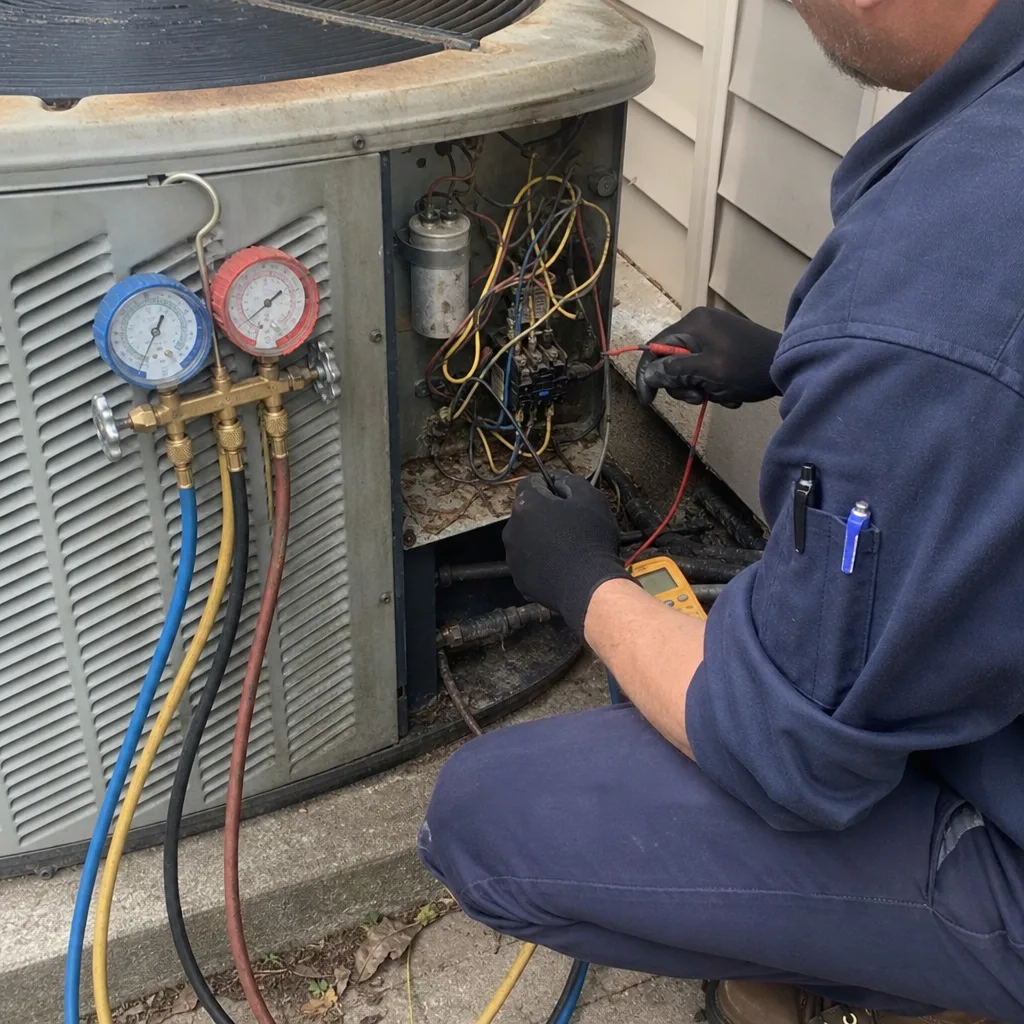 Before
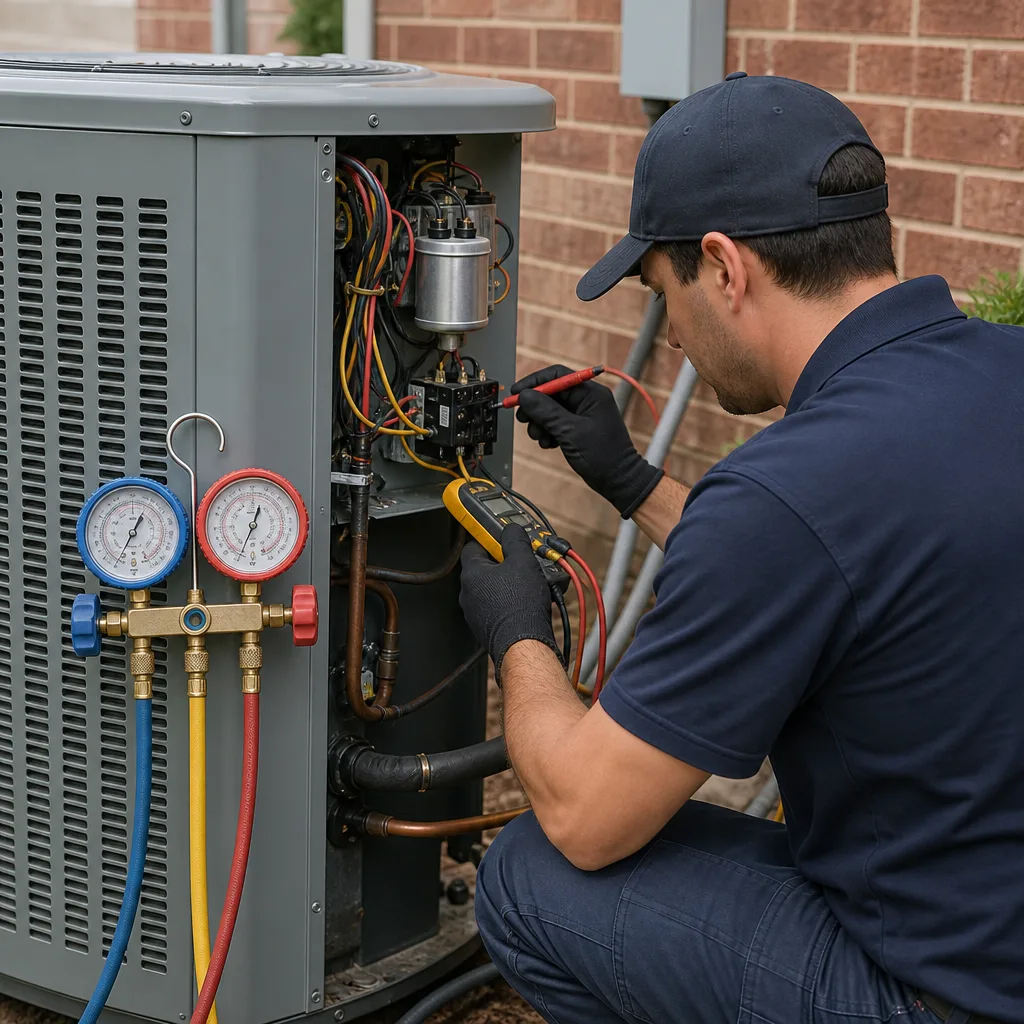 After
AfterDIY or Call Us?
You can safely check some things yourself. Shine a flashlight at visible duct runs from the attic access and look for obvious separations, crushed flex sections, or hanging ductwork. Check that no return grilles are blocked by furniture. Change your filter if it’s been a while, because a clogged filter mimics duct problems in ways that waste a service call.
Here’s where DIY goes wrong. Ductwork in an Atlanta attic involves working in a confined space where temperatures can exceed 130 degrees in summer, often on trusses, often near electrical wiring. Crushed flex duct can’t be popped back into shape; it has to be replaced. Sealing ducts properly requires mastic, not duct tape, which fails catastrophically in attic heat after a season or two. And if you seal the wrong section or oversize a patch, you’ll change the static pressure in ways your Daikin system will notice before you do. If any part of this makes you pause, call (762) 465-4570 and we’ll send someone who does this work in Atlanta attics every week.
FAQs
Properly installed rigid metal ductwork can last 25 years or more, but flex duct in Atlanta attics typically needs attention after 10 to 15 years because of heat exposure, humidity, and the occasional rodent or storage mishap. The duct material itself doesn’t fail as often as the connections, supports, and seams do.
Yes, and most Atlanta homes we visit are good candidates for targeted repair rather than full replacement. We can reseal joints, replace damaged flex sections, and rebuild plenum connections for a fraction of what a full duct replacement costs. Full replacement only makes sense when the majority of the system is deteriorated or the original design was wrong for the home. Call (762) 465-4570 for an honest assessment of what you actually need.
Most duct repairs take between one and three hours, depending on attic access and how much needs to be replaced. Simple joint sealing is often done in under an hour from setup to cleanup. For larger jobs like plenum rebuilds, we’ll give you a time estimate before work starts so you can plan your day.
We stock common flex duct sizes, collars, takeoffs, mastic, support strapping, and sheet metal fittings on our trucks, so most repairs are same-day jobs in Atlanta. We also regularly service Carrier, Trane, and Lennox equipment, so if you have a mixed-brand system, we can address the full picture. If your system needs a Daikin-specific connection part we don’t have on hand, our local supply houses in Atlanta carry it and we’ll have it the same afternoon in nearly all cases.
Get the Right Fix the First Time
When your Daikin ducts leak, you pay for it twice: once in wasted energy and once in the wear on a system working harder than it should. We’ll send a uniformed, background-checked technician to your Atlanta home, introduce you by name and photo before they arrive, and put a written price in your hands before a single tool comes out. Call Brandt HVAC Co Atlanta at (762) 465-4570 for a free estimate, day or night, and we’ll get your ductwork sorted.
Written by Devin Marlowe, Owner, Brandt HVAC Co Atlanta at Brandt HVAC Co Atlanta, serving Atlanta and nearby areas.