

Last updated October 16, 2026
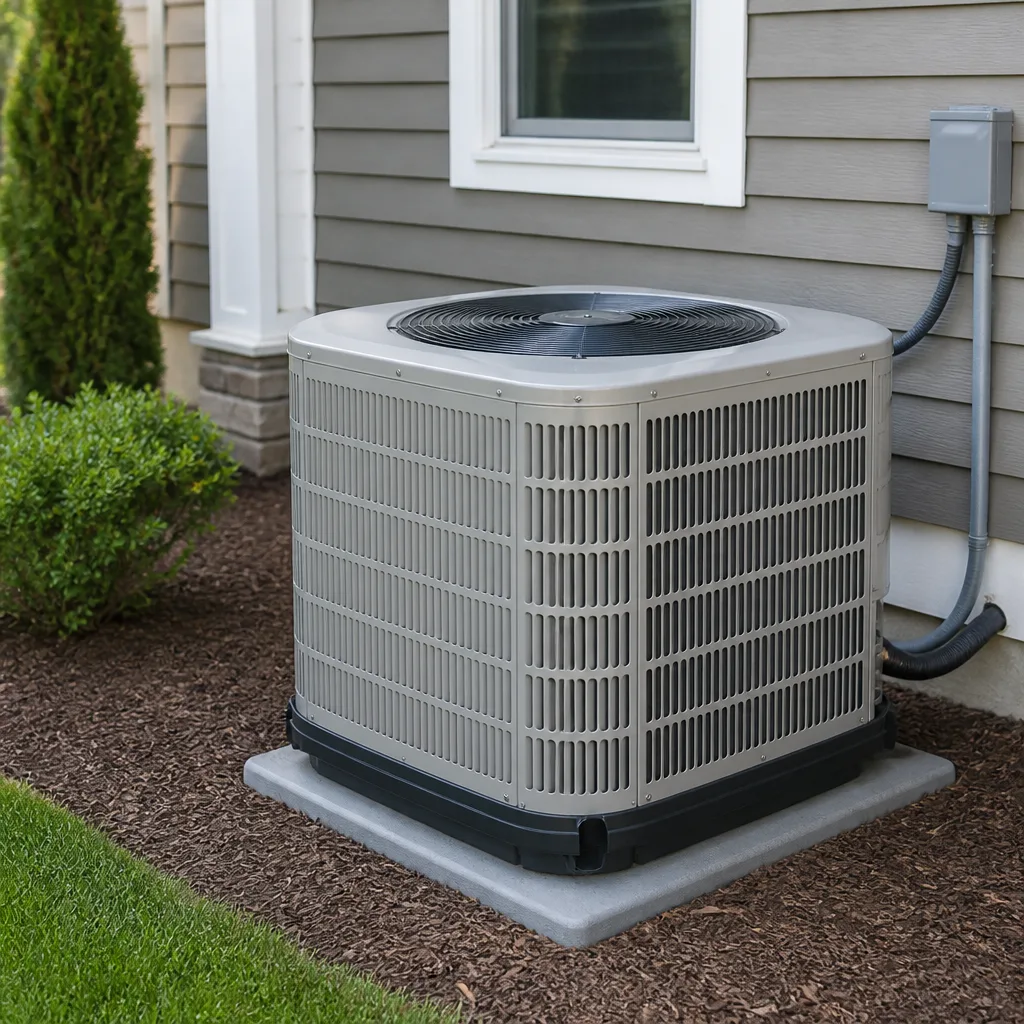 AC repair
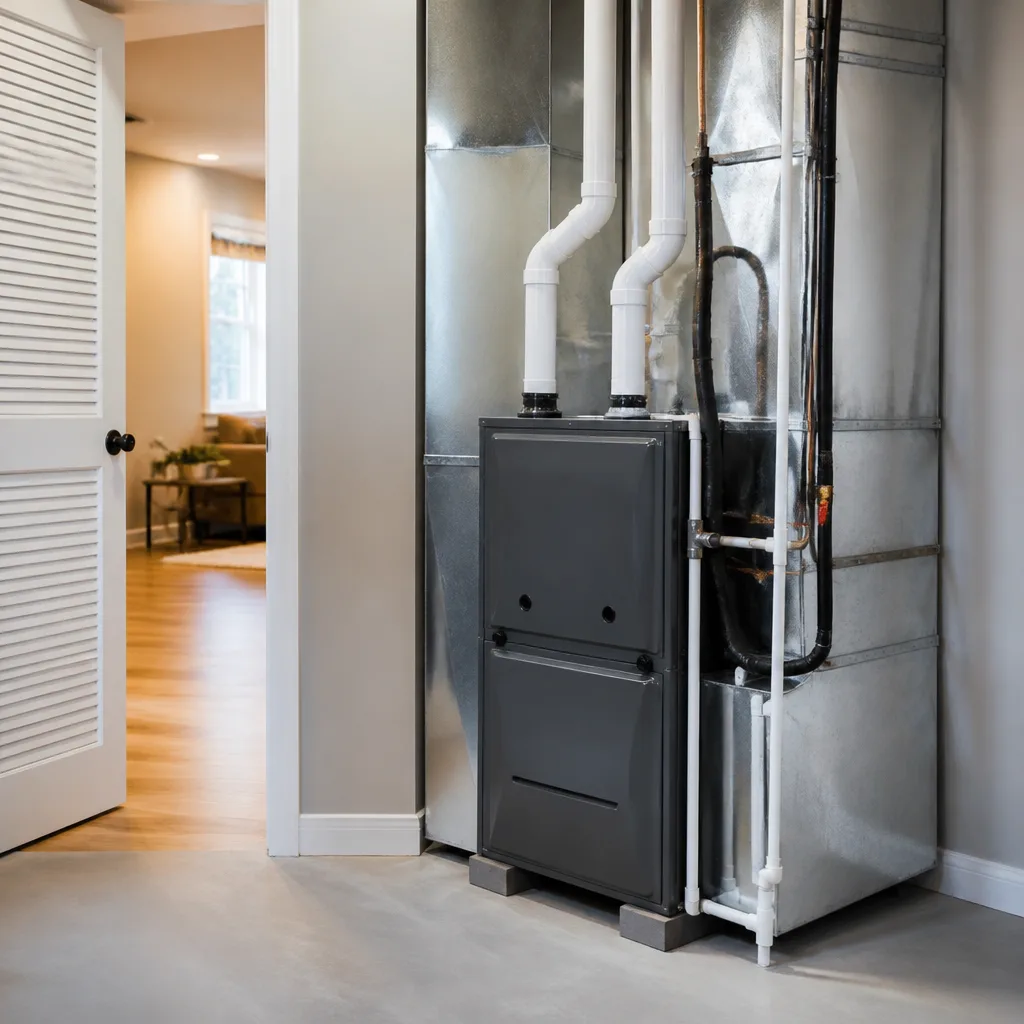 Furnace & heating
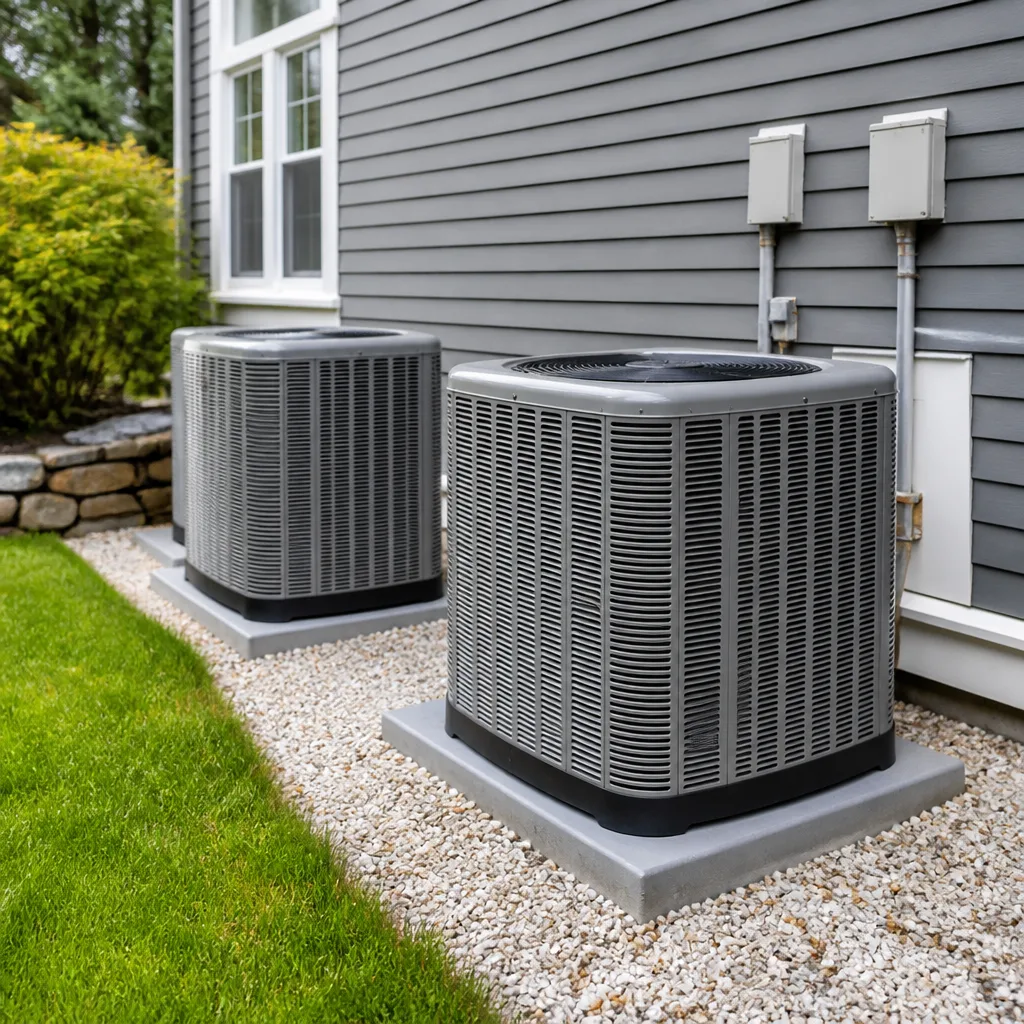 Heat pumps
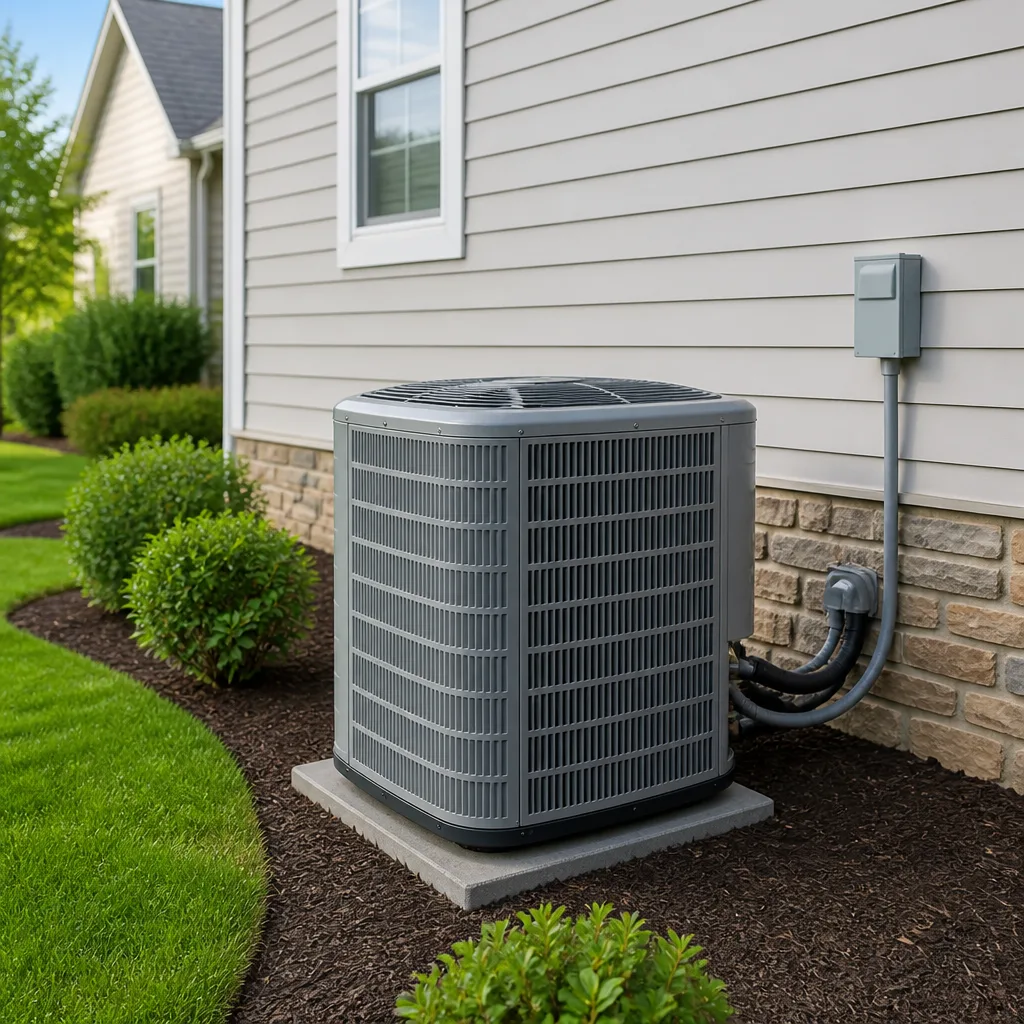 Carrier
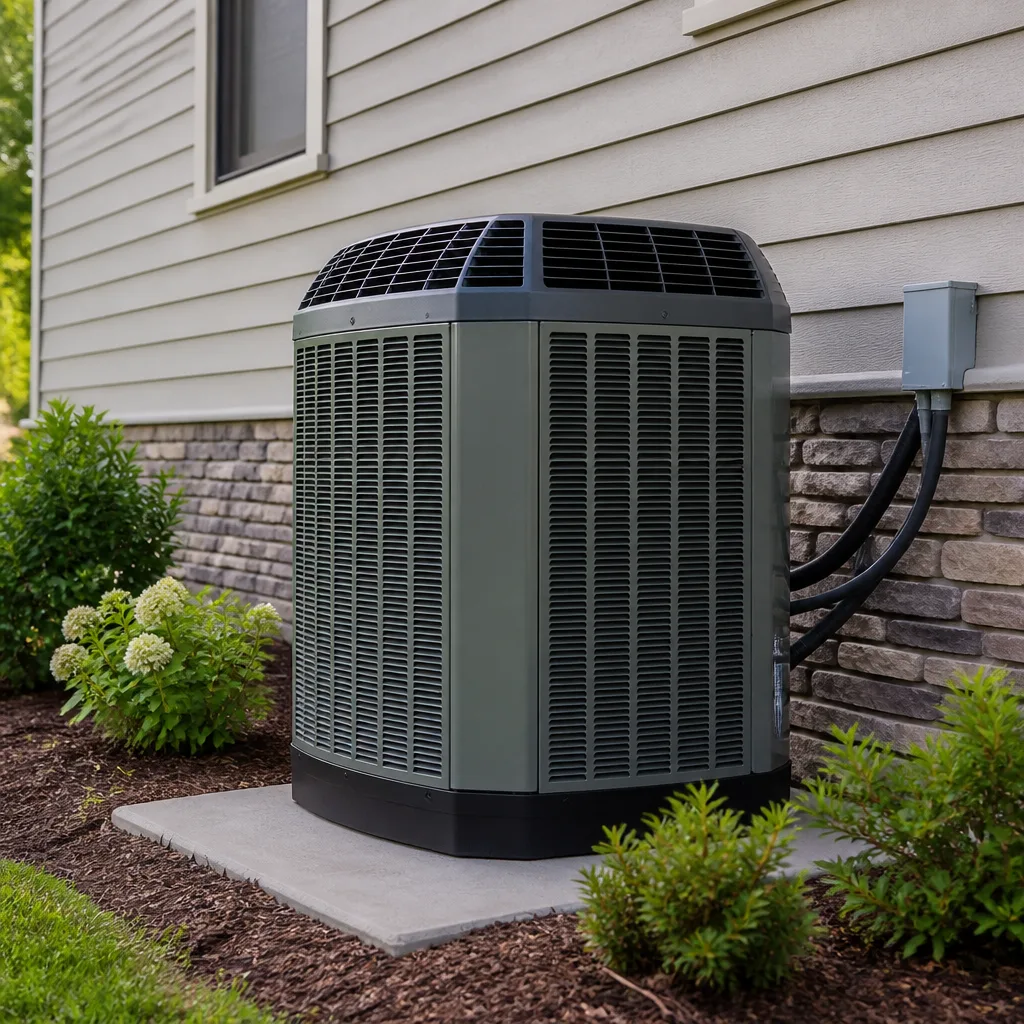 Trane
Trane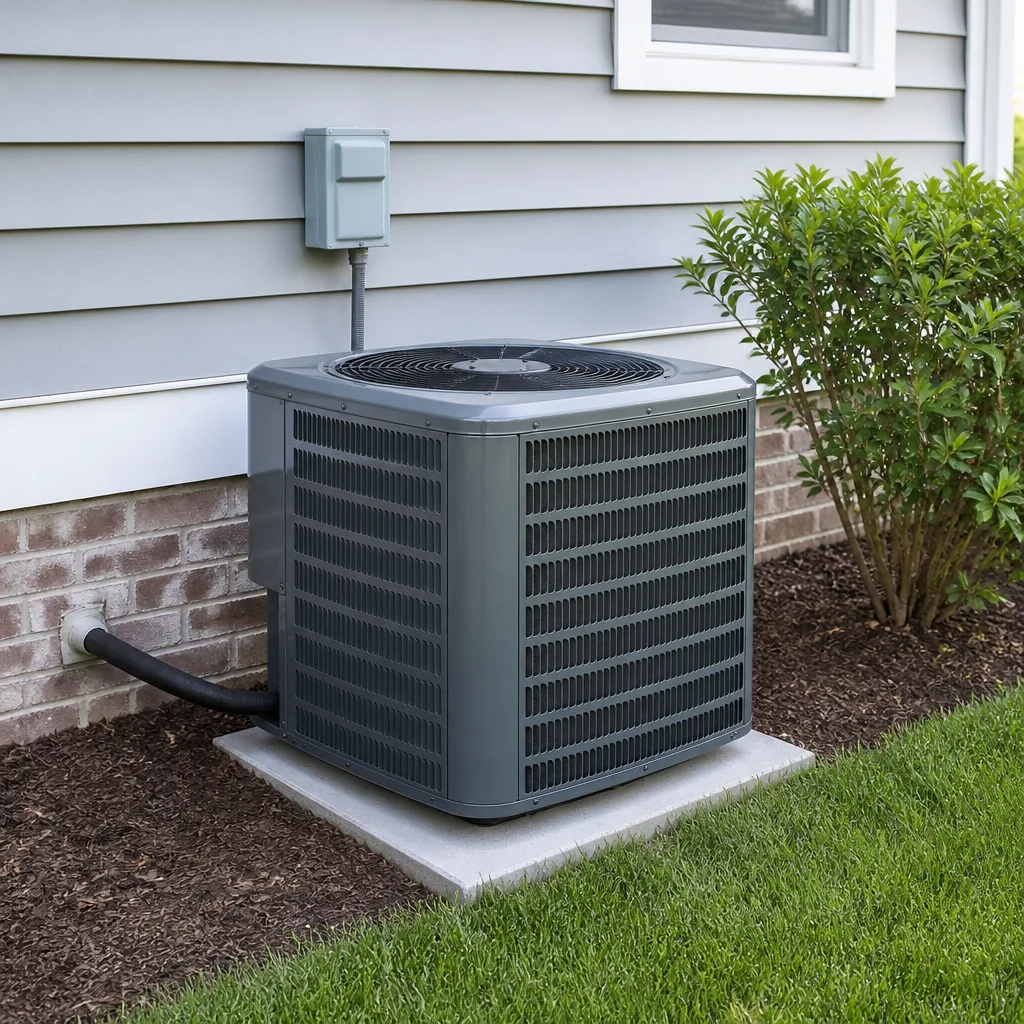 Goodman
Seasonal tune-up and full diagnostic on your Carrier, Trane, or Goodman system - readings shown to you before any repair is proposed
Diagnosis first, numbers second - you approve the repair price before a single part goes in.
Get your free estimateHVAC Cost Breakdown: The Atlanta Homeowner’s Reference for 2026
The average Atlanta homeowner who doesn’t ask for an itemized quote pays 18 to 34 percent more for the same HVAC repair than one who does. That’s not because most contractors are dishonest. It’s because vague quotes get vague work, and when you’re sweating through a July afternoon in Buckhead or shivering through a January night in Decatur, the leverage belongs to whoever holds the price list. This reference gives you the numbers, the terminology, and the exact language to use so you walk into any service call in Atlanta informed enough to catch a padded quote before you sign it.
Styles & brands we work with
Quick Answer
Most HVAC repairs in Atlanta cost between $150 and $650 in 2026, with system replacements ranging from $6,500 to $14,000 depending on equipment efficiency and home size; see HVAC Permits, Codes & Inspections in GA: What You Need to Know for regulatory requirements that affect pricing. The single biggest factor in what you pay is whether the company uses flat-rate pricing or time-and-materials billing, and whether you request an itemized written quote before any work begins. Emergency and after-hours calls in Atlanta typically add $75 to $200 to the base repair cost.
Table of Contents
- Flat-Rate Price Benchmarks: Atlanta’s 12 Most Common HVAC Repairs
- The Full Cost Anatomy of a System Replacement
- How Emergency and After-Hours Pricing Actually Works in Atlanta
- HVAC Financing Red Flags That Cost Atlanta Homeowners Thousands
- What a Written Flat-Rate Guarantee Covers (And What It Doesn’t)
- How to Ask for an Itemized Quote Without Getting Brushed Off
- When to Schedule Work: Atlanta’s Seasonal Pricing Patterns
- Common Mistakes to Avoid
- When to Call a Professional
- Frequently Asked Questions
- The Bottom Line
Flat-Rate Price Benchmarks: Atlanta’s 12 Most Common HVAC Repairs
Flat-rate pricing means you pay a set amount for a specific repair, regardless of how long the technician takes. Most reputable Atlanta HVAC companies, including our team at Brandt HVAC Co Atlanta home, use this model because it removes the incentive to work slowly. Here are the realistic ranges we see across metro Atlanta in 2026, including parts and labor:
- Capacitor replacement: $150 to $300. This small cylinder stores the electrical charge that starts your condenser fan. It’s one of the most common summer failures in Atlanta because capacitors degrade faster in sustained heat.
- Condensate drain line clearing: $100 to $250. Atlanta’s humidity means these lines clog with algae and sludge. A simple blowout is cheap; a line with repeated blockages may need a $75 to $150 drain pan treatment or an added safety switch.
- Thermostat replacement: $180 to $450 installed. The range depends on whether you want a basic digital unit or a smart thermostat with Wi-Fi scheduling.
- Contactor replacement: $175 to $325. The contactor is the electrical switch that tells your outdoor unit to start. In Atlanta’s storm season, power surges burn these out regularly.
- Condenser fan motor replacement: $350 to $650. The fan that pulls heat out of the outdoor unit fails most often in August, when Atlanta temperatures push the motor to its limit.
- Blower motor replacement: $450 to $850. This is the motor that pushes conditioned air through your ducts. Variable-speed motors cost more than single-speed but last longer in Atlanta homes that run air conditioning from March through October.
- Refrigerant leak repair and recharge: $400 to $1,200. Finding and sealing the leak is the expensive part. Recharging alone runs $150 to $300, but if you don’t fix the leak, you’ll be recharging again next summer. Note for 2026: R-410A refrigerant continues to phase down, and prices per pound have risen sharply. Older R-22 systems are effectively obsolete; a full replacement usually makes more financial sense than chasing leaks in a 15-year-old unit.
- Flame sensor cleaning or replacement: $120 to $250. On gas furnaces, a dirty flame sensor causes short cycling. This is routine maintenance wear and one of the cheapest furnace repairs.
- Igniter replacement: $150 to $300. Most furnace igniters in Atlanta homes run $150 to $300, parts and labor included. Hot-surface igniters fail from thermal stress, which is common in homes where the furnace sits unused for eight months and then fires daily from November to March.
- Circuit board replacement: $300 to $700. Lightning strikes and power surges during Atlanta’s summer thunderstorms are the leading cause. A surge protector added to the outdoor disconnect runs $150 to $350 and is worth considering if your home takes frequent hits.
- Compressor replacement: $1,200 to $2,500 if under warranty, $2,500 to $4,500 if not. This is the big one. In many cases, when a compressor fails on a system older than 10 years, we recommend pricing a full replacement instead, because the repair cost approaches half the cost of new equipment.
- Duct sealing and minor duct repair: $300 to $900. Atlanta homes built before 1990 often lose 20 to 30 percent of conditioned air through leaky ducts, and sealing them is one of the highest-return efficiency improvements available. Full duct replacement in a typical 2,000-square-foot Atlanta house runs $4,000 to $8,000.
These ranges reflect what we see across the city, from older bungalows in Grant Park to newer construction in Alpharetta. Labor rates vary modestly by company, but when a quote comes in above the high end, you want to know exactly why.
The Full Cost Anatomy of a System Replacement
A new central air system or heat pump in Atlanta runs $6,500 to $14,000 installed in 2026. That’s a wide range because the final number includes several line items that contractors rarely itemize unless you ask. Here’s what should appear on a legitimate replacement quote:
- Equipment cost: $3,000 to $7,000. This is the condenser, evaporator coil, and furnace or air handler. Efficiency ratings drive the price. A 14 SEER2 entry-level system costs less than a 20 SEER2 variable-speed unit, but the cheaper system will cost more to run in Atlanta’s long cooling season. Brands like Carrier, Trane, and Lennox carry a slight premium over Goodman or American Standard for comparable efficiency ratings.
- Labor: $2,000 to $4,000. A proper replacement takes two technicians a full day, sometimes two. The labor line should include removal of the old equipment, installation, refrigerant charging, electrical connections, and startup testing.
- Permit and inspection: $150 to $400. The City of Atlanta and most surrounding counties require a mechanical permit for equipment replacement. A contractor who skips the permit saves you money today and costs you at resale when the unpermitted install shows up in a home inspection.
- Disposal and haul-away: $100 to $250. Old equipment contains refrigerant that must be recovered legally. Scrap value partially offsets this, but the labor to drain and haul is real.
- Optional line items to question: $0 to $1,500. These include duct modifications, a new refrigerant line set, a condenser pad replacement, a surge protector, a media filter cabinet, or a Wi-Fi thermostat upgrade. Each may be worthwhile, but none should appear without explanation. A written quote that says “miscellaneous install items: $900” is a red flag. Ask for the line item breakdown.
If you’re comparing replacement quotes in Atlanta, ask each bidder to use the same equipment tier and the same optional add-ons. Comparing a 14 SEER2 Goodman quote against a 18 SEER2 Trane quote isn’t apples to apples, and contractors know that. We recommend requesting three bids, then lining them up line by line. For more on what goes into a proper cooling system, see our guide to AC Repair in Atlanta.
How Emergency and After-Hours Pricing Actually Works in Atlanta
A legitimate after-hours call in Atlanta adds $75 to $200 to the base repair price. That covers the technician’s overtime pay, the dispatch cost, and the reality that a 2am call means pulling someone away from their family. If a company quotes you a $500 after-hours fee on top of a $200 repair, that’s not a surcharge, that’s gouging. Here’s what you should know:
- Weekday evenings (6pm to 10pm): Expect a $75 to $125 premium. This is standard.
- Weekends: Expect a $100 to $150 premium. Saturdays are busy in Atlanta during heat waves.
- Overnight (10pm to 7am): Expect a $150 to $200 premium. Some companies won’t dispatch overnight at all unless it’s a true emergency.
- During a citywide heat event: When Atlanta hits 95 degrees for five straight days, demand spikes and some operators raise prices. A legitimate company keeps its published flat-rate schedule regardless of demand. Price gouging during a declared heat emergency is a real problem in Atlanta, and the Georgia Attorney General’s office has historically warned consumers about it.
The best way to avoid an emergency surcharge is to catch problems early. A capacitor that fails in June was almost certainly weak in April. If you hear your outdoor unit struggling to start, don’t wait for it to die on the hottest Saturday of the year. You can always book a diagnostic visit during normal hours, which means paying the standard rate instead of the emergency one. Our phones are answered by a live person 24 hours a day, 7 days a week, and a real person at AC Maintenance in Atlanta can help you decide whether a callout tonight is worth the premium or whether it can wait for morning.
HVAC Financing Red Flags That Cost Atlanta Homeowners Thousands
Financing a $10,000 system replacement over five years can add $2,000 to $4,500 in hidden costs if you don’t read the terms. The HVAC industry uses financing programs that sound generous but are structured to extract fees from borrowers who miss fine print. Here are the specific red flags to watch for:
- Deferred interest (not “0% interest”): A “no interest if paid in 18 months” plan is deferred interest. If you pay off the full balance within 18 months, you pay nothing extra. If a single dollar remains at month 19, you owe retroactive interest on the entire original balance at a rate often exceeding 25 percent. On a $10,000 install, that’s $2,500 added overnight. Always ask the exact words: “Is this deferred interest or true 0 percent APR?”
- Dealer fees buried in the loan: Many HVAC financing programs charge the contractor a dealer fee of 8 to 15 percent of the loan amount. Some contractors pass this fee to you inside the equipment price rather than quoting a cash price. Ask: “What’s the cash price versus the financed price?” If the financed price is higher than the cash price by a few hundred dollars, that’s the dealer fee, and you might do better with a home equity line or a credit union personal loan.
- Prepayment penalties: Some HVAC loans charge a fee if you pay off the balance early. This is less common than it used to be, but it still exists in subprime HVAC lending. The answer you want is “no prepayment penalty” in writing.
- Variable interest rates after a short fixed period: A 1.9 percent rate for 12 months that becomes 18 percent after is only a good deal if you know you’ll pay it off in the window. Most Atlanta homeowners financing a full system replacement do not.
- Loan terms longer than the equipment warranty: Signing a 10-year loan on a system with a 7-year expected lifespan means you may still owe money on equipment that’s failed. In Atlanta’s climate, a central air system that runs hard for eight months a year typically lasts 12 to 15 years with maintenance. Match the loan term to a realistic life expectancy, not the optimistic one.
The responsible approach: get the cash price in writing first, then ask about financing separately. That way you can see exactly what the financing costs you. A company that refuses to show a cash price separate from financing terms is hiding something.
What a Written Flat-Rate Guarantee Covers (And What It Doesn’t)
Every repair should come with a written guarantee that states exactly what’s covered and for how long. The language matters. Here’s the difference between a useful guarantee and a decorative one:
A useful guarantee reads something like this: “This igniter replacement is guaranteed for 365 days. If it fails within that period, we return at no charge and replace it.” That’s specific. You know the part, the term, and the remedy.
A vague guarantee reads: “All workmanship is guaranteed.” That tells you nothing. Guaranteed against what, for how long, and what happens if it fails? A workmanship guarantee that covers only installation errors, not part failures, is nearly worthless because genuine workmanship failures are rare.
Our standard at Brandt HVAC is a written price before any work starts, on every single job. Every repair includes a written guarantee. And if a repair fails within the guarantee period, a return visit is provided free of charge under our 365-Day Done Right Promise. That’s the specific language you should ask any contractor to put in writing before you sign.
Also understand what a guarantee doesn’t cover. It doesn’t cover failures caused by a separate defect elsewhere in the system. If a new capacitor fails because a failing compressor was drawing too much current, the capacitor replacement was never the root cause. A good technician will flag that risk before you spend money. Ask, “Is this repair fixing the root cause, or is it a patch?” If the answer is a patch, you want to know that in writing before you pay.
How to Ask for an Itemized Quote Without Getting Brushed Off
The single most effective thing you can do to control HVAC costs in Atlanta is to demand an itemized, written quote before authorizing work. Here’s the exact sequence we recommend:
- When you book the call, say this: “Please have the technician bring a written, itemized quote for any repair before starting work.” This sets the expectation before they arrive.
- When the technician diagnoses the problem, ask: “Can you write that quote with the part cost and the labor cost separated?” Any legitimate flat-rate company should be able to produce this in a few minutes. We provide a written price before any work starts, always, on every job, with no exceptions.
- If a repair is urgent and you can’t get competing quotes, ask: “Is this your standard flat-rate price, or is there an after-hours premium built in?” A straight answer should take one sentence.
- Before approving a replacement, ask: “Can you separate the equipment cost, labor, permit, disposal, and any optional add-ons?”
Every HVAC company in Atlanta is capable of itemizing. Some choose not to. The ones that won’t are telling you something about how they operate. For furnace-specific issues in the colder months, we cover the same pricing discipline in our guide to Furnace Repair in Atlanta.
When to Schedule Work: Atlanta’s Seasonal Pricing Patterns
Atlanta’s HVAC market follows a predictable rhythm, and Seasonal HVAC Care for Atlanta: Year-Round Homeowner’s Guide explains how the calendar affects what you pay:
- March through May: This is the sweet spot for air conditioning work. Demand is moderate, technicians have open schedules, and you’ll pay standard rates. A pre-season AC tune-up in April will almost always cost less and catch problems before the summer crunch. Many Atlanta companies, including us, offer maintenance pricing that’s flat and published year-round.
- June through August: Peak demand. Afternoon highs in the mid-90s push every system in the city to its limit. Emergency calls spike, wait times lengthen, and after-hours premiums apply more often. Some companies raise their flat rates modestly for the season. If you can avoid scheduling a non-emergency repair during a heat wave, do it.
- September through November: The fall shoulder season. Demand drops, schedules open, and this is the best window to replace an aging system before winter. Manufacturers often run fall rebate programs that can knock $300 to $800 off equipment costs.
- December through February: Atlanta winters are short but can be genuinely cold, with overnight lows in the 20s. Furnace repair demand peaks, and emergency furnace calls on Atlanta’s coldest nights carry the same after-hours premiums as summer AC calls. Like the summer pattern, the homeowners who skip the fall furnace check are the ones who pay the emergency surcharge in January.
One more Atlanta-specific note: our clay-rich soil and dense tree cover mean outdoor condenser units work harder here than in drier climates. Units that sit under pines in neighborhoods like Virginia-Highland accumulate needle debris that restricts airflow and shortens capacitor and fan motor life. A 30-minute coil cleaning in the spring is one of the cheapest ways to avoid a $400 repair in August.
Common Mistakes to Avoid
- Approving work without a written quote: If it’s not in writing, the verbal estimate didn’t happen. Always get the number on paper before the technician touches the unit.
- Choosing the lowest quote without checking what’s included: The cheapest bid in Atlanta usually omits the permit or uses a lower-tier brand. When the permit comes up in your future home sale, you’ll pay for it twice.
- Recharging refrigerant without finding the leak: This is the most common money pit we see in Atlanta. A recharge that doesn’t address the leak is a short-term rental of refrigerant, not a repair.
- Skipping annual maintenance to save $120: The math is straightforward. A $120 tune-up catches a weak capacitor before it fails, saving you a $200 emergency call plus a $70 after-hours premium plus a day without air conditioning in July.
- Financing through the first offer without comparing terms: The difference between a good HVAC loan and a bad one on a $10,000 system can exceed $3,000 over five years. Read the deferred interest clause.
- Replacing a system without checking the ductwork: In Atlanta’s older housing stock, new equipment on leaky ducts is a missed efficiency opportunity. Have the ducts inspected as part of any replacement quote.
- Ignoring the permit: Atlanta requires mechanical permits for equipment replacement. A contractor who says “you don’t really need one” is not doing you a favor.
When to Call a Professional
If your system is blowing warm air on a 92-degree Atlanta day, making grinding noises, cycling on and off every few minutes, or leaking water onto the floor, those are HVAC Warning Signs: A Atlanta Homeowner’s Reference Guide says to call a professional. Those symptoms rarely resolve themselves, and running a struggling system can turn a $200 repair into a $2,000 compressor replacement. If you smell a burning odor from your vents or gas odor near your furnace, shut the system off and call immediately. Brandt HVAC Co Atlanta offers free estimates in Atlanta, and our phones are staffed by a live person 24 hours a day, 7 days a week. Call (762) 465-4570 and we’ll send a technician with a written price in hand before any work starts.
Frequently Asked Questions
Most common HVAC repairs in Atlanta run between $150 and $650 in 2026, with minor repairs like capacitor replacement at the low end and major repairs like blower motor replacement at the high end. Compressor replacement is the outlier, running $1,200 to $4,500 depending on warranty status. For a free estimate on your specific repair, call (762) 465-4570.
A full central air and furnace replacement in Atlanta costs between $6,500 and $14,000 installed in 2026, depending on equipment efficiency, brand, home size, and ductwork condition. Brands like Trane, Carrier, and Lennox typically land in the middle to upper end of that range. For an exact written quote with no hidden line items, call (762) 465-4570.
As a rule of thumb, if the repair costs less than a third of the replacement price and your system is under 10 years old, repair it. If the repair approaches half the replacement cost and the system is over 12 years old, replacement usually makes more sense in Atlanta’s climate, where systems run hard for eight months of the year. For an honest assessment without a sales agenda, call us at (762) 465-4570.
Emergency and after-hours calls add $75 to $200 to the base repair price to cover overtime pay and dispatch costs. During Atlanta heat waves, some companies add more; a legitimate company keeps its published rates unchanged regardless of weather. If you get an after-hours quote that seems inflated, ask for the standard rate comparison in writing before you approve the work.
For most Atlanta homes, yes. An 18 SEER2 system may cost $2,000 to $3,000 more than a 14 SEER2 unit, but Atlanta’s cooling season runs from March through October, and the efficiency difference can save $150 to $350 per year on electricity. Over a 15-year lifespan, the higher-efficiency unit usually pays for itself in energy savings.
Our team services all major residential HVAC brands, including Carrier, Trane, Lennox, Goodman, Rheem, York, Daikin, Bryant, and American Standard. If your system is on that list, we can diagnose and repair it. If it’s an obscure brand, we’ll tell you before the technician comes out.
The Bottom Line
HVAC pricing in Atlanta is less transparent than in almost any other home-service category, but it doesn’t have to work against you. Get itemized written quotes. Ask whether you’re being quoted a flat rate or time-and-materials. Read the financing terms for deferred interest clauses. Know what the guarantee covers and for how long. And call during shoulder season when demand is low and pricing is standard. The homeowners who walk into a service call informed are the ones Atlanta HVAC companies quote fairly, because they know that’s who’s checking our more guides & resources. If you want a company that writes the price down before the work starts and guarantees it in writing afterward, we’d like to be the one you call. Reach us at (762) 465-4570, any hour, any day.
Written by Devin Marlowe, Owner at Brandt HVAC Co Atlanta, serving Atlanta since 2003.
See the difference
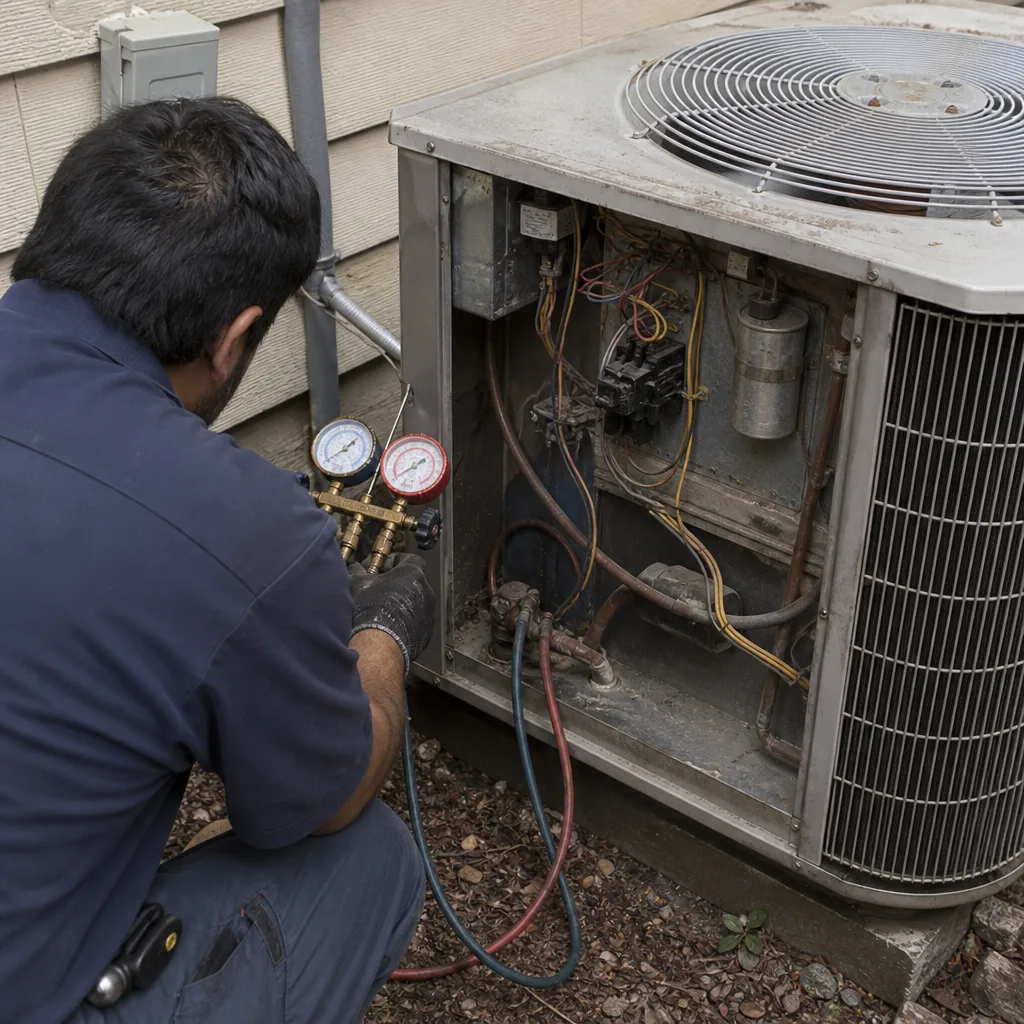 Before
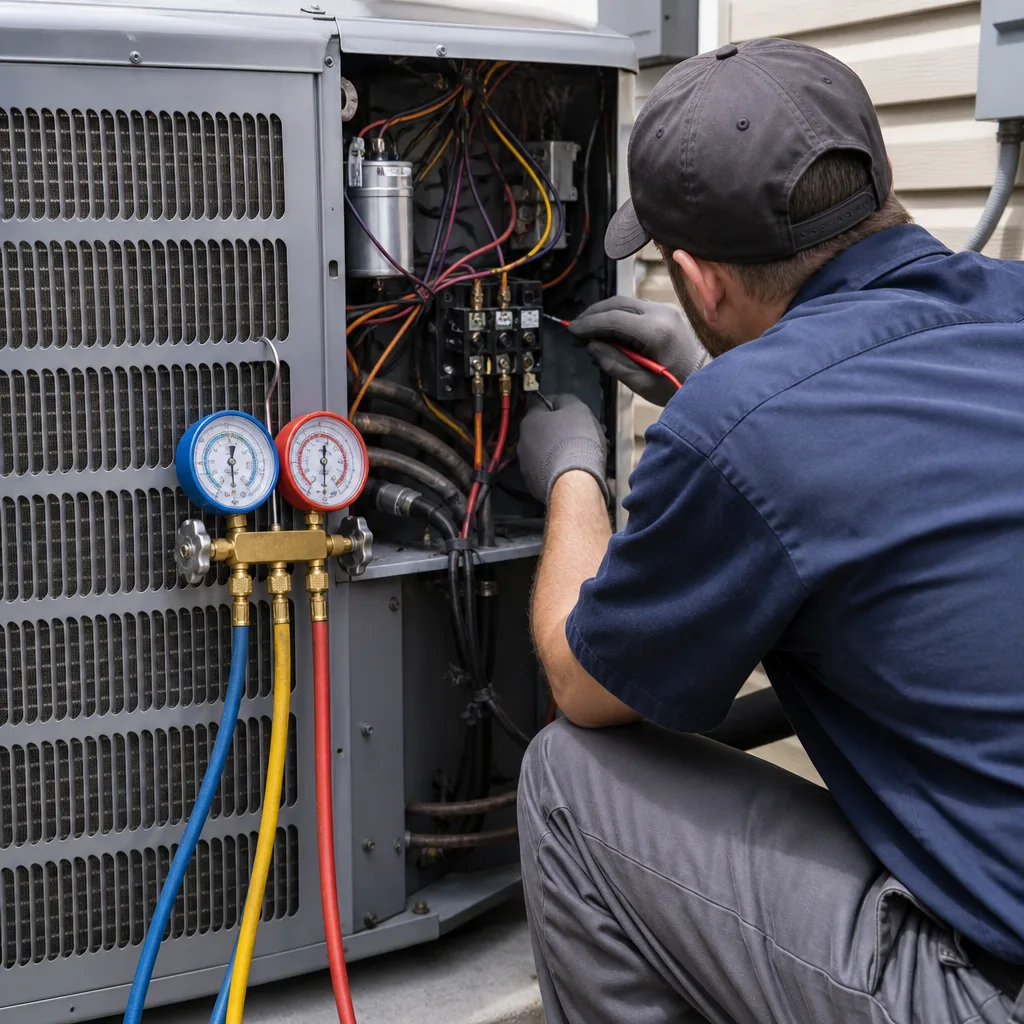 After
After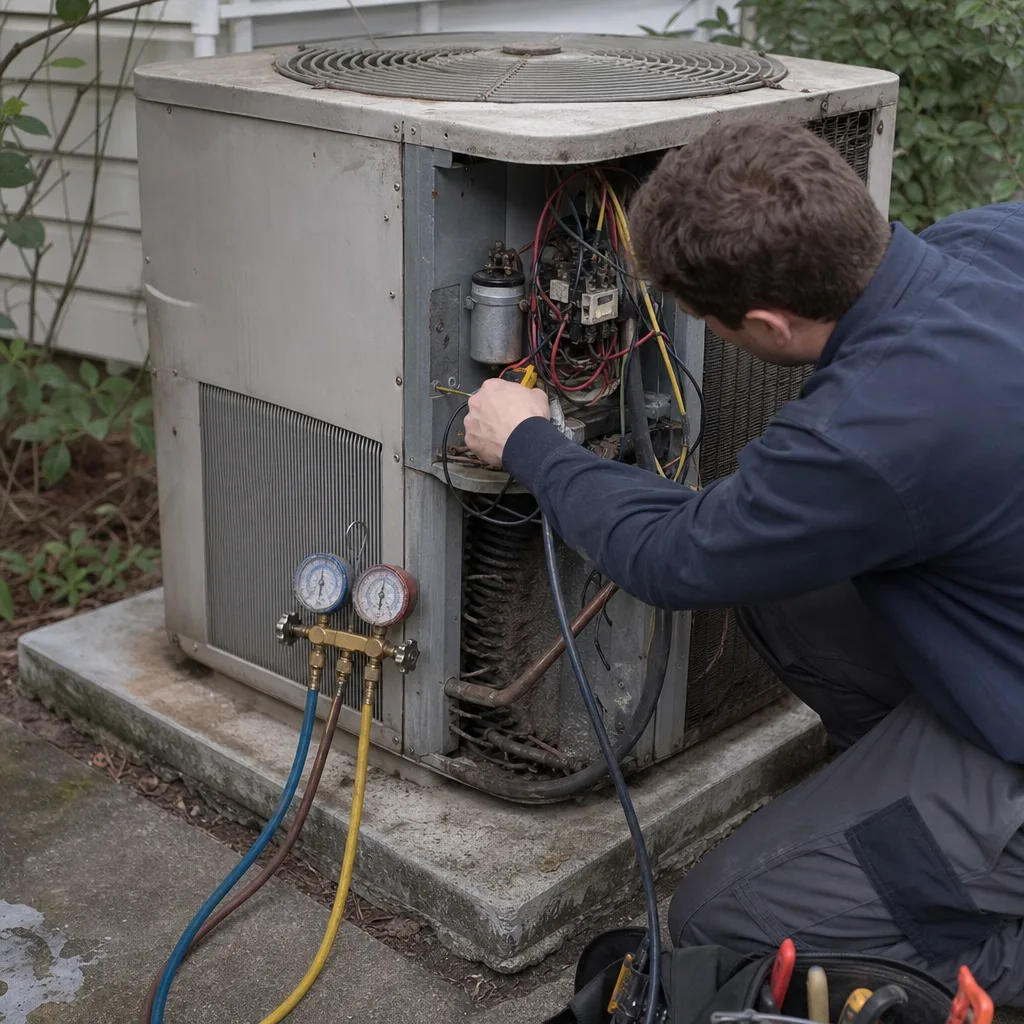 Before
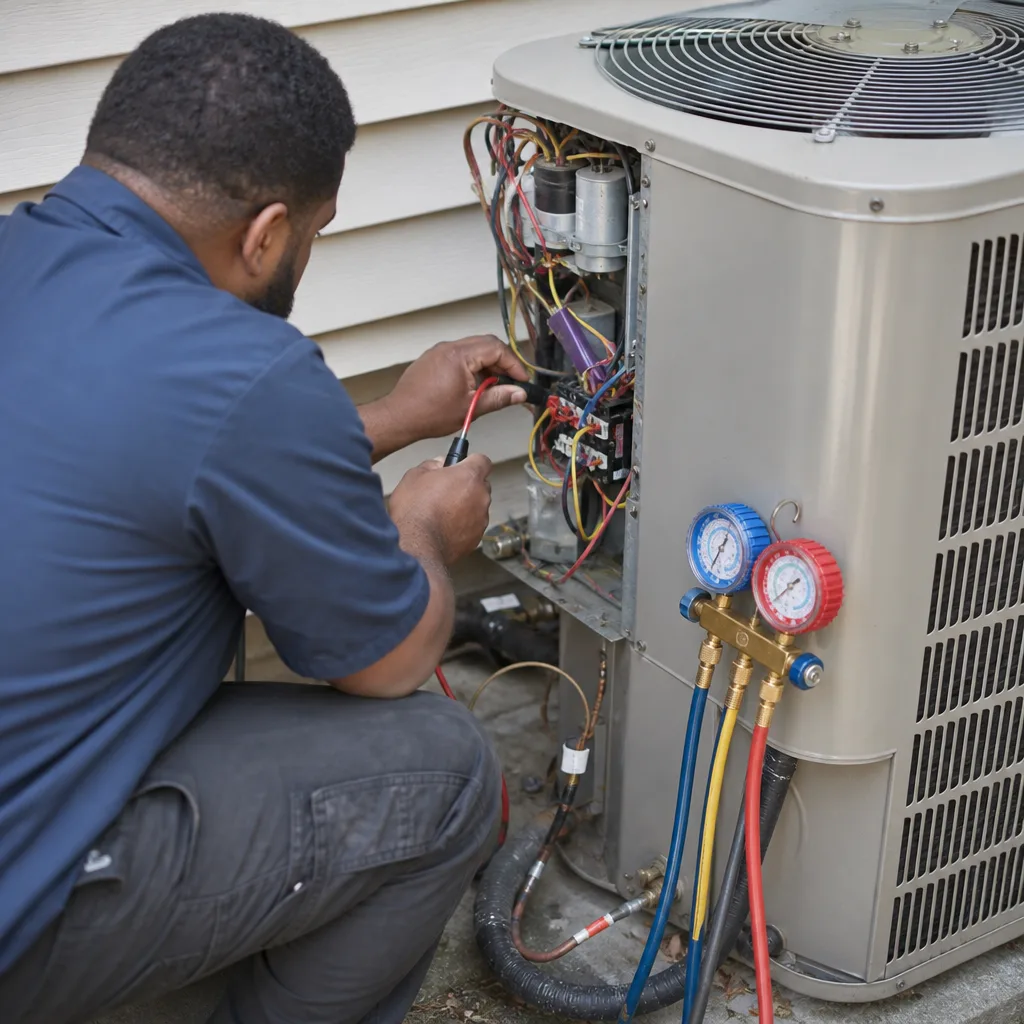 After
After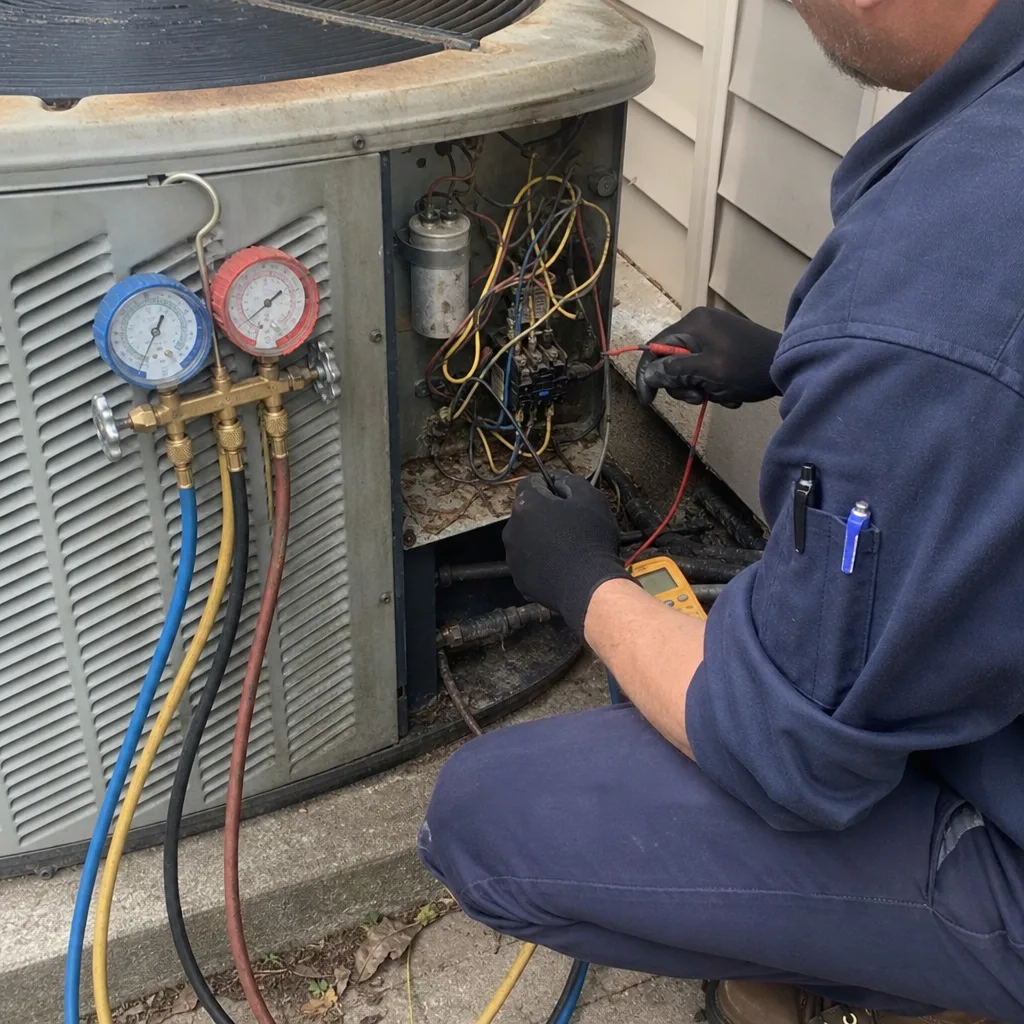 Before
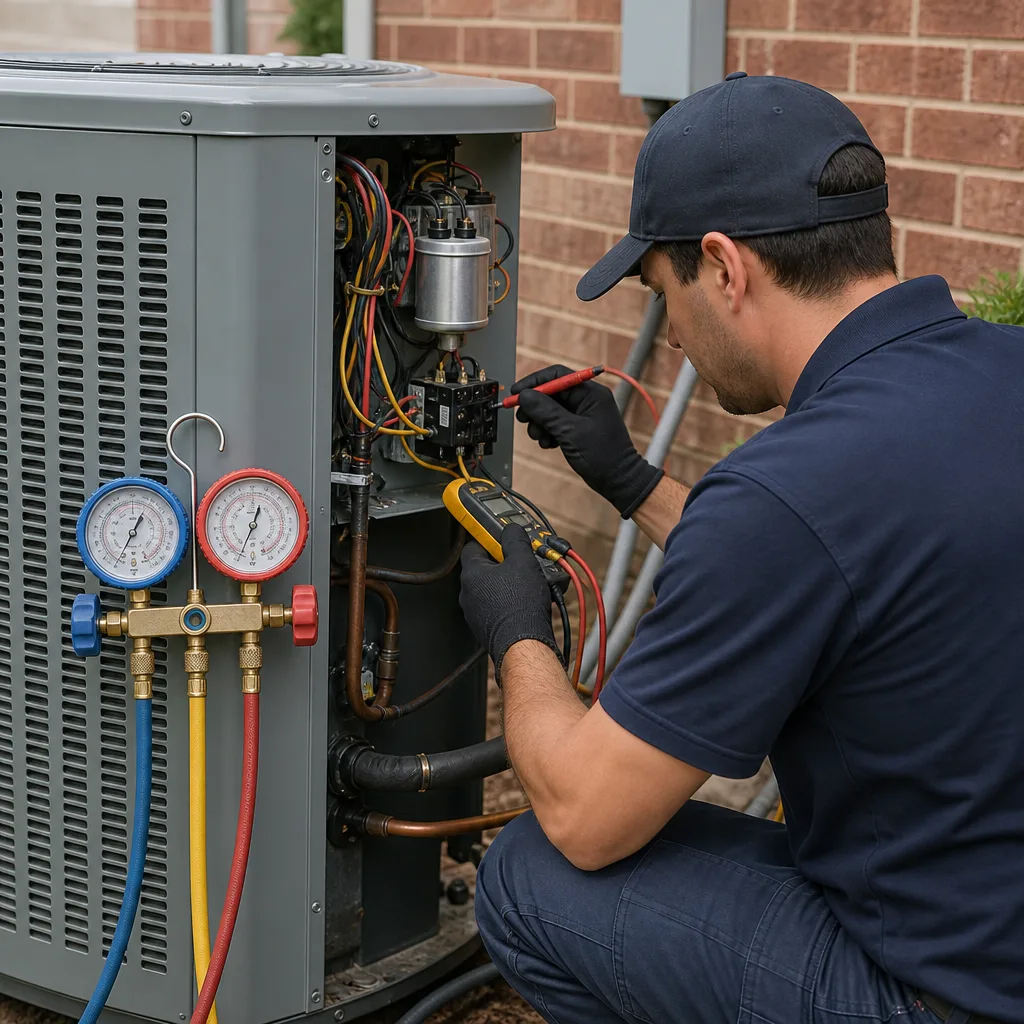 After
After