

Last updated October 16, 2026
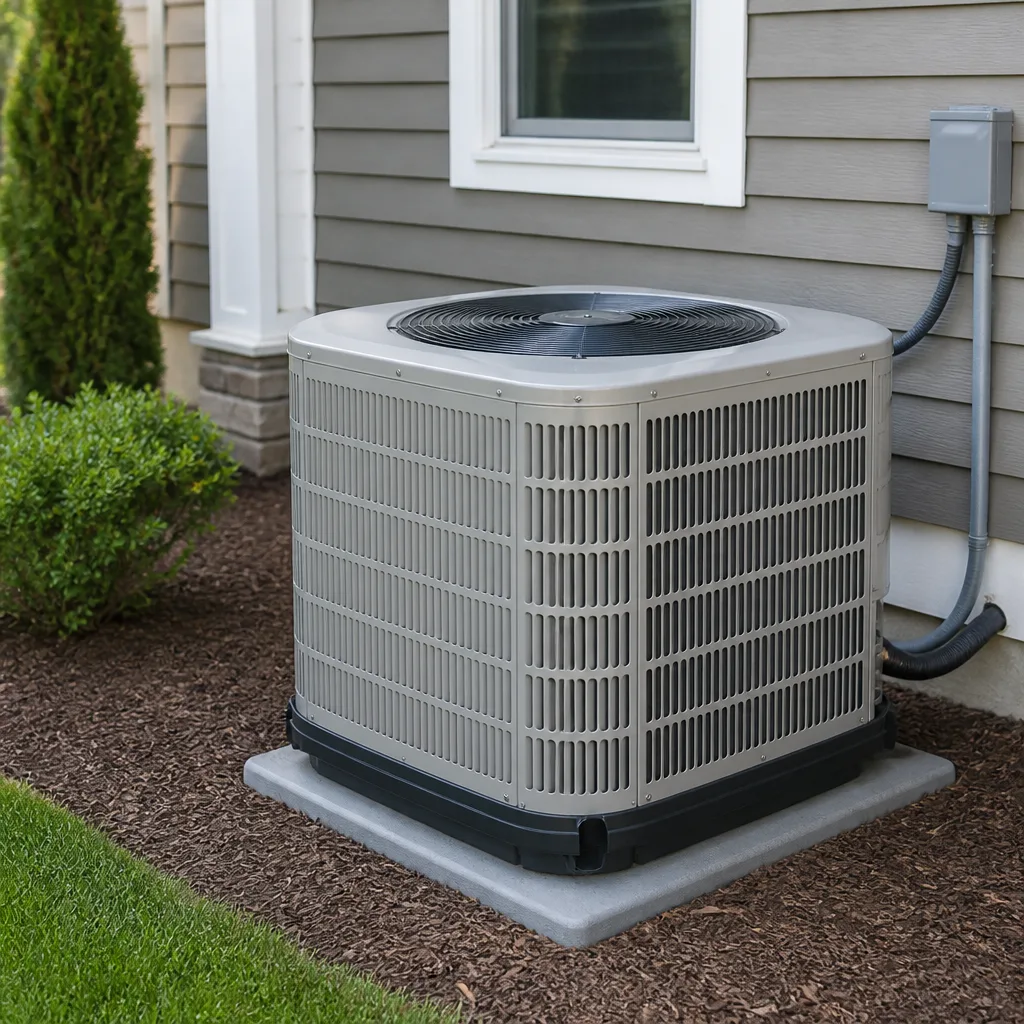 AC repair
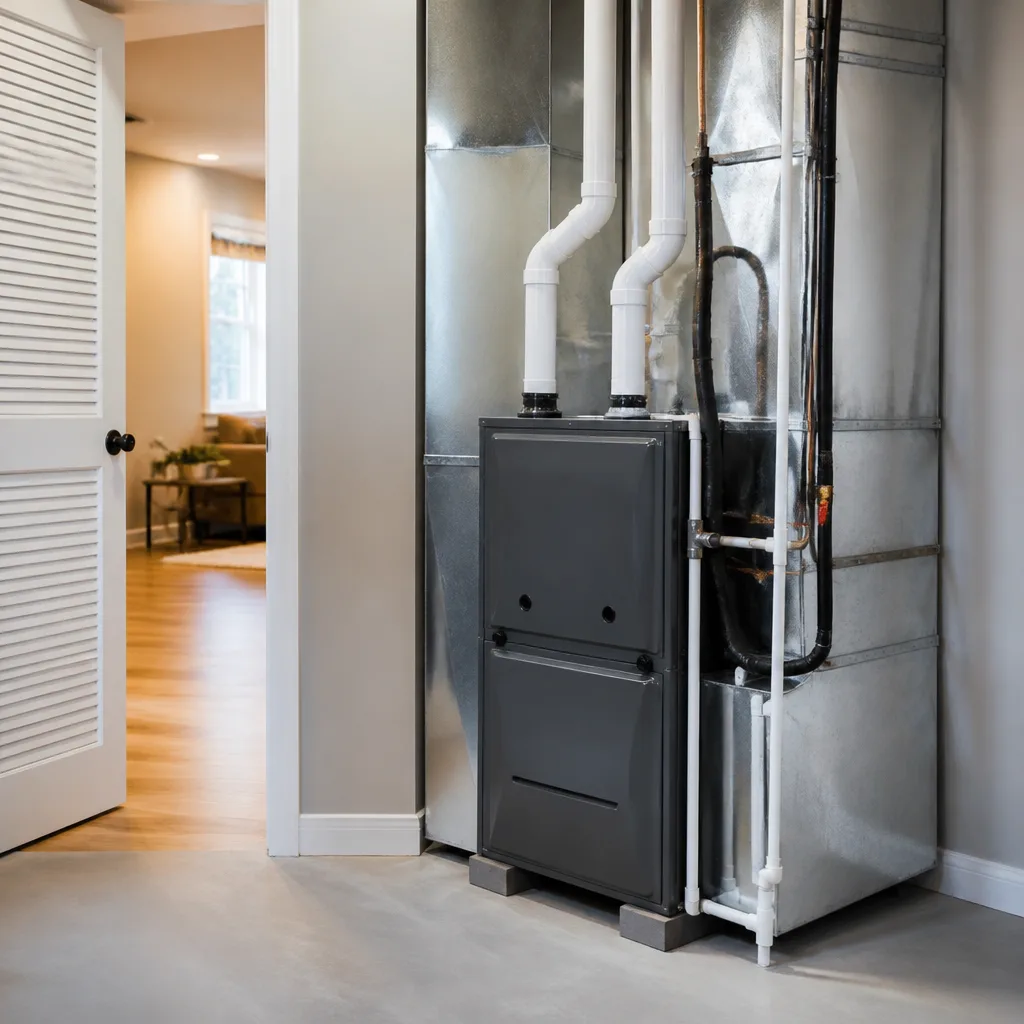 Furnace & heating
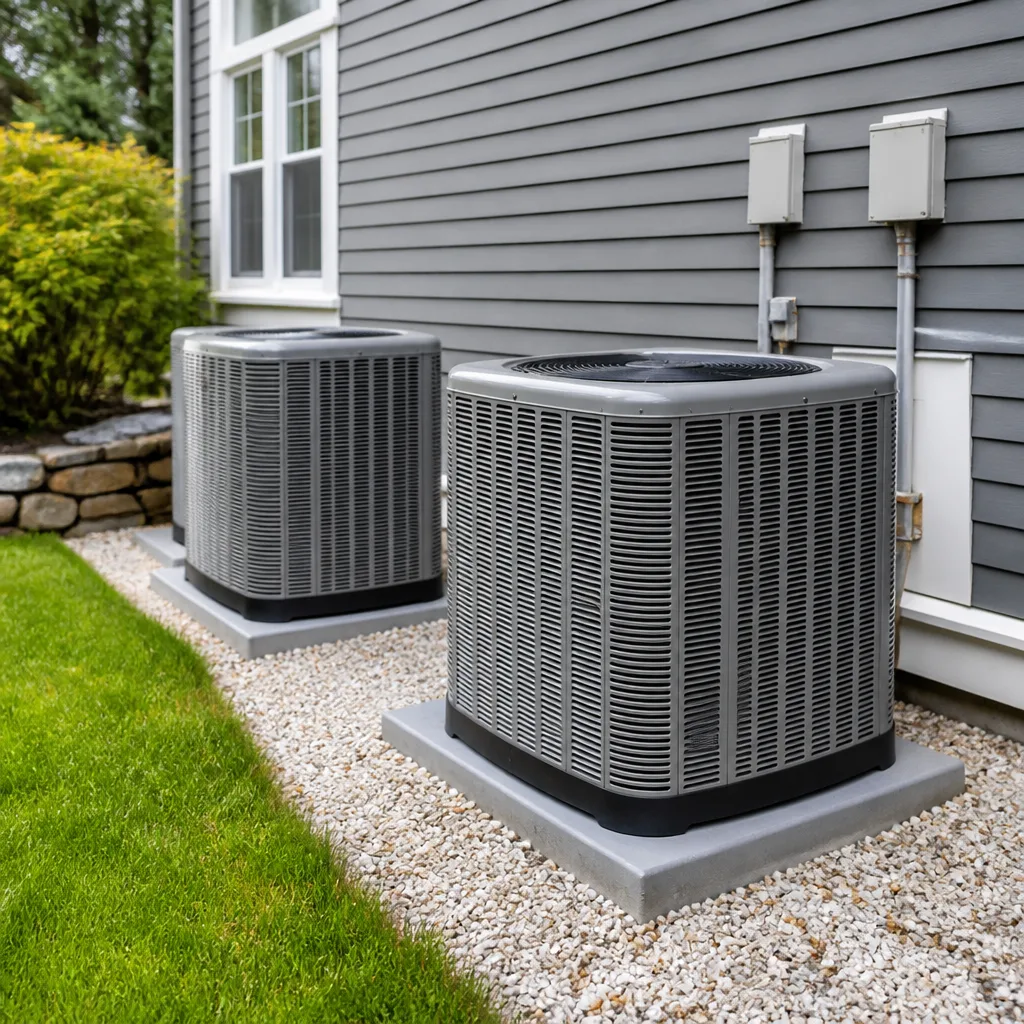 Heat pumps
 Carrier
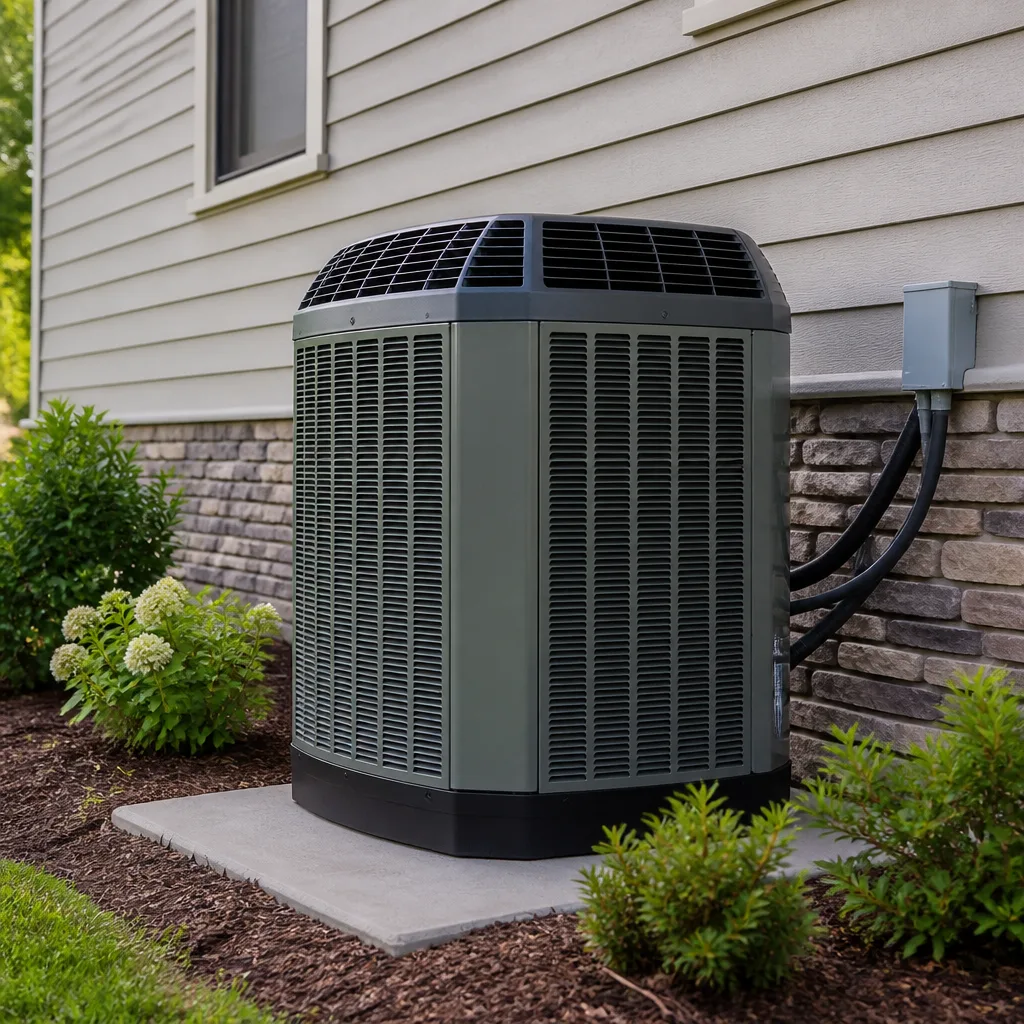 Trane
Trane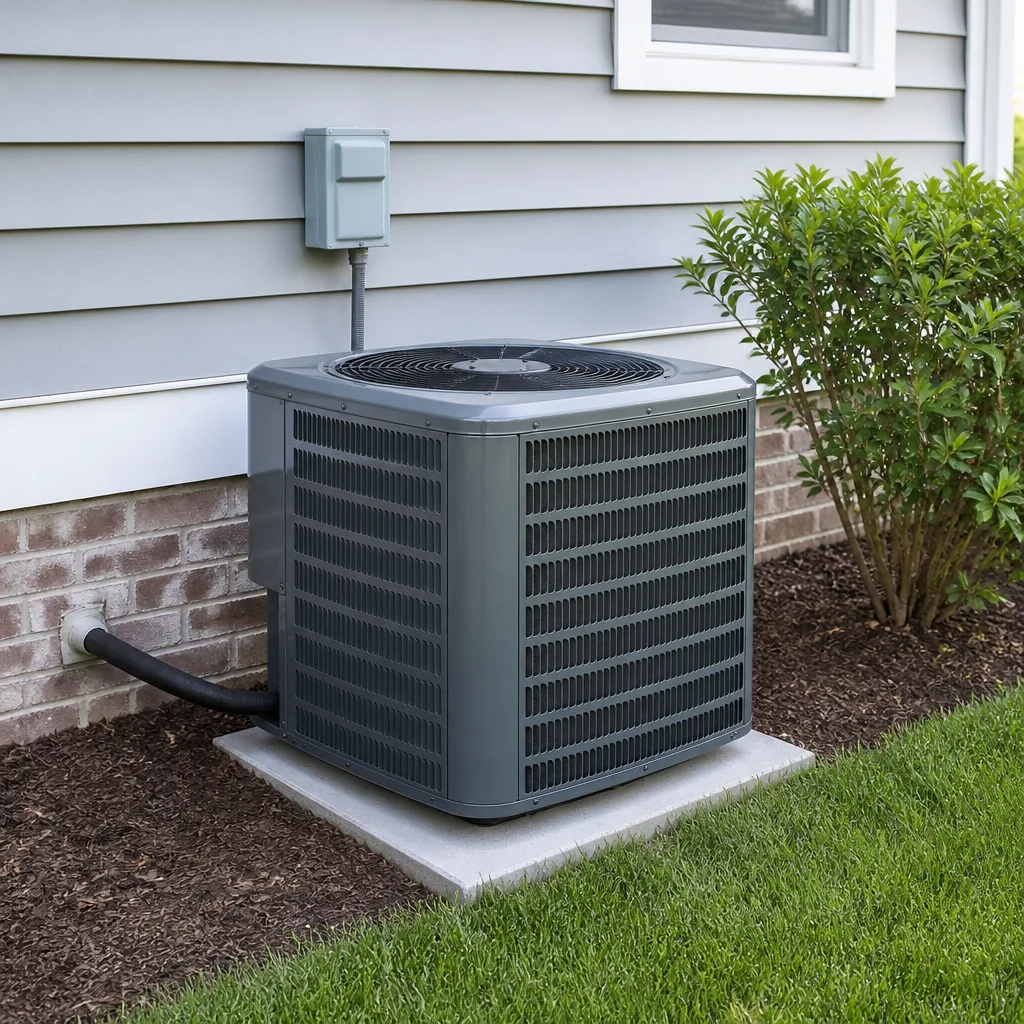 Goodman
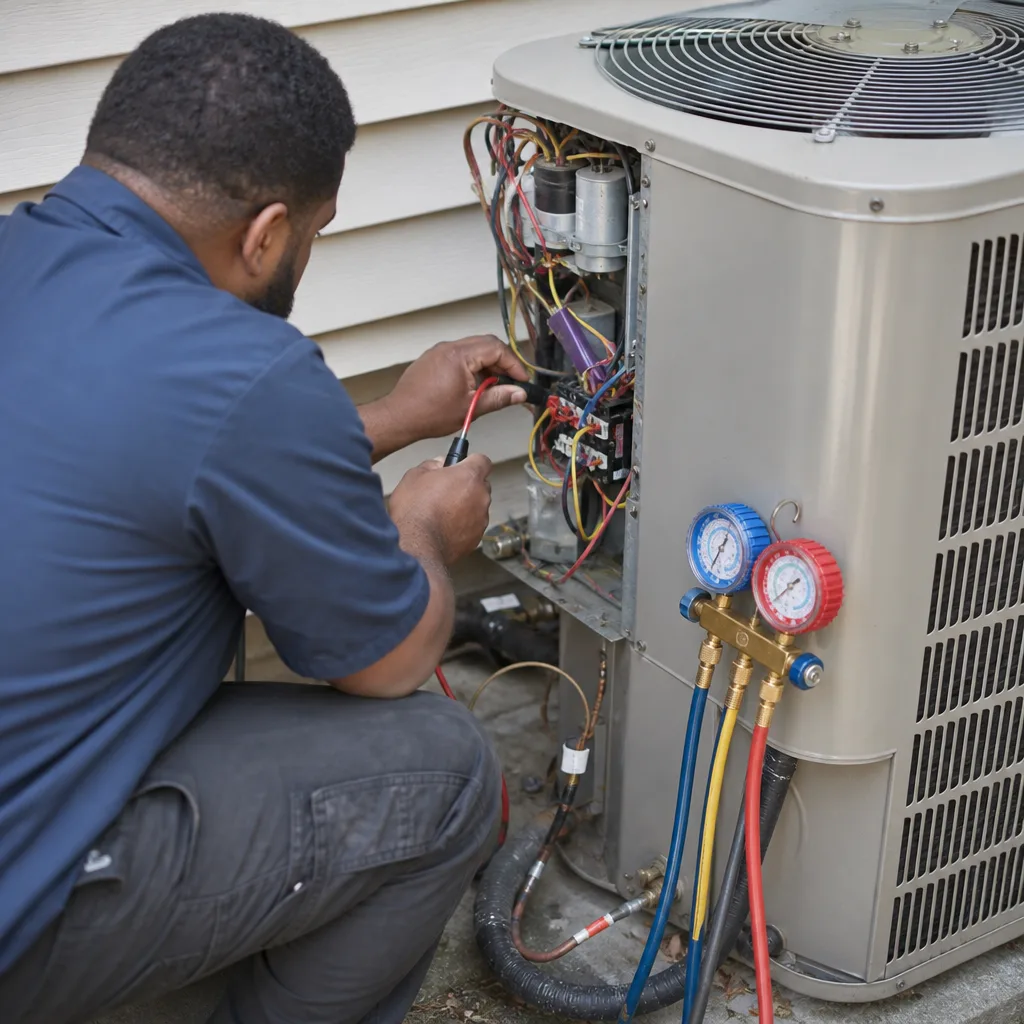
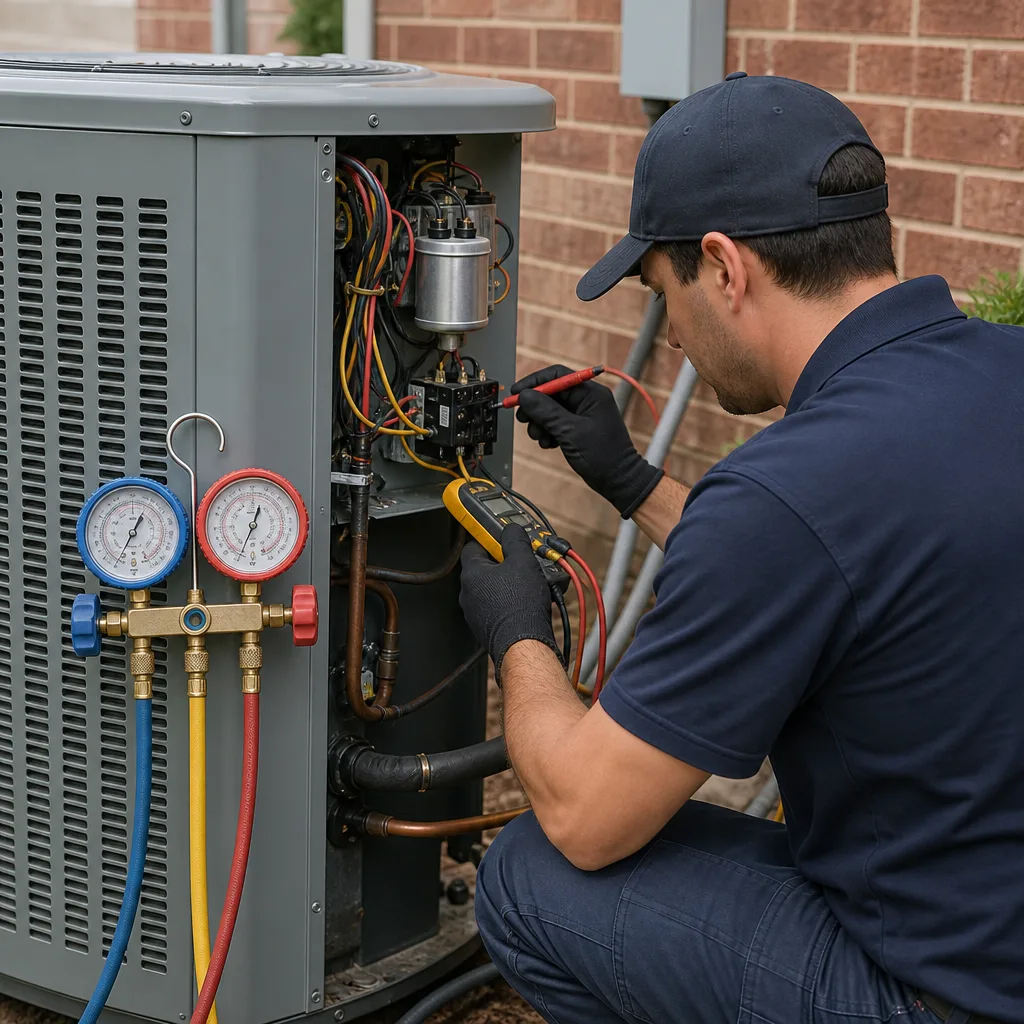
Seasonal tune-up and full diagnostic on your Carrier, Trane, or Goodman system - readings shown to you before any repair is proposed
Diagnosis first, numbers second - you approve the repair price before a single part goes in.
Get your free estimateHow to Hire a HVAC Contractor in Atlanta: A Step-by-Step Guide
Georgia’s Secretary of State database shows hundreds of active HVAC contractor registrations in the Atlanta metro, but state licensing tells you nothing about who physically shows up at your home. A license proves the company passed a test years ago. It does not prove the person ringing your doorbell is an employee, has passed a background check, or carries the credentials they claim. This guide walks through exactly how to vet an HVAC contractor in Atlanta so the person walking through your door is someone you chose on purpose, not someone you’re hoping checks out. For more guides & resources on protecting your home investment, explore our blog. We’ll cover the documents to request, the questions that expose weak answers, and the specific red flags most homeowners only recognize after something goes wrong.
Quick Answer
To hire an HVAC contractor in Atlanta, verify the company’s Georgia license through the Secretary of State’s online portal, request proof of liability insurance and workers’ comp in writing, and ask for the technician’s name and photo before the appointment. Get a written flat-rate quote before any work begins, and confirm the technician who shows up matches the person you were told to expect. In our experience, companies that hesitate to provide any of these documents are telling you something useful before you’ve spent a dollar.
Styles & brands we work with
Table of Contents
- Verify the Georgia HVAC License
- Request Proof of Insurance and Workers’ Comp
- Ask About Technician Identity and Introduction Protocol
- Employee or Subcontractor: Why It Matters in Atlanta
- Flat-Rate vs. Time-and-Materials: Reading a Bid
- Seven Red Flags to Watch For
- Common Mistakes to Avoid
- When to Call a Professional
- Frequently Asked Questions
You can also jump ahead to our Brandt HVAC Co Atlanta home page for details on how our vetting standard works in practice.
1. Verify the Georgia HVAC License (Takes Under Two Minutes)
Georgia requires HVAC contractors to hold a license issued by the State Construction Industry Licensing Board, which operates under the Secretary of State’s office. The verification process is faster than ordering a coffee. Here is the step-by-step:
- Go to the Georgia Secretary of State’s website and open the “Professional Licensing” section.
- Select “Verify a License” and search by business name or individual name.
- Look for the license category: “Conditioned Air Contractor” is the one you want for residential HVAC work in Atlanta.
- Check the status line. It should say “Active” with a future expiration date. Anything else means the license has lapsed or is under review.
- Match the name on the license to the name on the estimate. If they don’t match, ask why before signing anything.
A lapsed license in Atlanta is not a rare occurrence. We’ve seen homeowners hand thousands of dollars to companies whose license expired six months earlier and was never renewed. The state does not chase down every expired license holder, so the burden falls on you. Two minutes of verification is cheap insurance against a company that lets its legal standing slide.
What a valid Georgia license actually confirms: the contractor passed an exam covering HVAC codes and trade knowledge, carries the required insurance to maintain the license, and has a designated licensed individual responsible for the work. What it does not confirm: who shows up at your house, whether that person has a criminal record, or whether the company will honor its warranty. That’s the next step.
2. Request Proof of Insurance and Workers’ Comp Before Booking
There are four documents to request before any HVAC company books your appointment, and only one of them is the license. The others protect you from scenarios most homeowners don’t think about until they’re in one:
- State license number: The Conditioned Air Contractor license discussed above. Written on the estimate, not just claimed over the phone.
- Liability insurance certificate: This covers your property if a technician damages it during the work. Atlanta homes range from 1920s bungalows in Virginia-Highland to 2020s builds in Brookhaven, and a refrigerant line run through an old plaster wall can cause real damage. Request the certificate from the insurer, not a note from the contractor. The policy should list you as an additional insured or at minimum show an active policy with adequate limits.
- Workers’ comp verification: Georgia law requires workers’ comp coverage for companies with three or more employees. If a technician falls off a ladder in your home in Atlanta and the company has no workers’ comp, the claim can land on your homeowner’s insurance. Ask for the workers’ comp certificate or the state exemption form if the company is a two-person shop.
- Technician ID protocol: This is the one most homeowners skip. Ask the company to describe, in writing, how you’ll know the person at your door is actually their employee. More on this in section three.
- “Will the person who shows up be your employee or a subcontractor?”
- “If they’re a sub, what background checks and ID verification does the sub run on their crew?”
- “Whose liability insurance covers the sub while they’re in my home?”
- “Who do I call if the work fails, you or the sub?”
- No written estimate before work starts. Any company that starts diagnosing a repair without putting a price on paper first is not protecting you. Walk away.
- Vehicle with no markings or a magnetic sign. A contractor that advertises on a removable magnet may be running a part-time operation between other jobs. There are legitimate one-man shops in Atlanta, but they should still identify themselves clearly.
- Pressure to sign today. A company pushing a “today only” price on a system replacement is trying to close before you compare. Reputable quotes stay valid for days or weeks.
- The name on the license doesn’t match the name on the truck. This is a common pattern when a company operates under multiple DBAs. Ask for the connection in writing.
- No answer when you ask for a certificate of insurance. This is not a negotiation. It’s a document every legitimate contractor holds. A pause followed by “we’ll get that to you” is all the evidence you need.
- Vague answers about warranty terms. Every repair should come with a written guarantee that states exactly what it covers and for how long. If the warranty is described as “standard” or “probably a year,” ask for it in writing.
- No knowledge of Atlanta building codes or permit requirements. Certain HVAC work in Atlanta requires permits, especially system replacements and gas line work. A contractor who doesn’t know which permits apply to your job is not the contractor for the job.
- Hiring based on price alone. Atlanta has a wide range of HVAC pricing, from part-time handymen to fully staffed mechanical contractors. The cheapest quote often reflects what’s missing: insurance, workers’ comp, background checks, or a real warranty. None of those are optional when the person is working inside your home while you’re away.
- Skipping the license check. Two minutes on the Georgia Secretary of State website is the difference between hiring a licensed contractor and hiring someone operating a residential HVAC business without legal standing. Once you’ve paid, you have very little leverage.
- Not asking for the technician’s name in advance. You should know who is coming to your home before they arrive. If the company can’t tell you, don’t book the appointment.
- Accepting a verbal quote. In Atlanta’s busy season, a verbal estimate can drift once the work begins. Get it in writing. Every time.
- Assuming all technicians are employees. Ask directly. Subcontracting is common in Atlanta, and the vetting standards for a sub may be nothing like the vetting standards for the company name on your estimate.
- Not reading the warranty terms before paying. A warranty that covers parts but not labor, or labor but not refrigerant, is not the warranty you think you’re getting. Read the document.
- Ignoring the door moment. The single highest-risk moment in the entire hiring process is when the technician knocks. This is when you find out whether the identity assurances were real.
Companies that push back on any of these four items are not protecting your interest. Reputable Atlanta contractors keep these documents ready and send them without friction. A company that acts annoyed by a certificate request is a company that is used to homeowners not asking. For context on what good service looks like when it has already reached the repair stage, see our AC Repair in Atlanta guide.
3. Ask About Technician Identity and Introduction Protocol
Hiring an HVAC contractor in Atlanta fails at a specific moment most homeowners never see coming: the day a stranger shows up at the door with a company logo on their shirt and nothing else to prove who they are. The company you vetted, the license you verified, the insurance you requested, none of it matters if the person standing on your porch is not actually from that company. This is where the interview questions matter more than the documents.
Here is the specific language to use when you call an Atlanta HVAC company:
“Before you book the appointment, I need you to send me the technician’s name and photo, and I need to know what ID they’ll show at the door.”
That’s it. A company with a real identification protocol will say something like: “We’ll text you the tech’s name, photo, and a short bio the morning of your visit. They’ll show a photo ID badge before they step inside. If the person at your door doesn’t match, don’t let them in and call us.”
A company without a protocol will say: “Someone will be out between 9 and 1.” That answer reveals something. It reveals that the company does not know who is being dispatched, does not verify who is wearing their logo, and does not think your safety at the door is part of the job. In Atlanta, where subcontracting is common and technician turnover is high, a vague answer to the identity question is a disqualifier, not a quirk.
Under the Threshold Verified standard, every technician is background-checked and identity-verified, and each one is introduced by name and photo before arrival. If anyone shows up who you were not told to expect, that visit is on us and we make it right. That’s how the process should work, and now you know to expect it from any company you call.
4. Employee or Subcontractor: Why It Matters in Atlanta
Subcontracting is common in Atlanta HVAC, especially during summer peak demand and winter cold snaps. A company sells you a job, then hands it to a third-party crew that was never vetted by you, never mentioned on the estimate, and often not covered by the same insurance policies you asked to see. The result: a technician in your home who was not vetted to the standard you assumed you were buying.
Questions to ask before booking:
The wrong answers sound like: “We partner with local crews,” “All our guys are vetted,” or “Don’t worry, you’re covered.” The right answers name the specific sub, provide their license and insurance certificates, and give you a direct point of contact at the primary company who owns the outcome.
Here’s the Atlanta-specific nuance: many homes in older intown neighborhoods like Grant Park, East Atlanta, and Kirkwood were built before modern HVAC standards existed. For a deeper look at local regulatory requirements, see our guide to HVAC Permits, Codes & Inspections in GA: What You Need to Know. Original ductwork may be undersized, unsealed, or routed in ways that surprise a technician who mostly works new construction in Cumming or Woodstock. A sub who has never worked in a 1930s Atlanta bungalow may misdiagnose a duct issue as an equipment failure. Ask whether the technician coming has experience with homes like yours, not just experience in HVAC generally.
5. Flat-Rate vs. Time-and-Materials: Reading a Bid So It Protects You
Most Atlanta HVAC companies quote one of two ways: flat-rate or time-and-materials. They sound like the same thing to a stressed homeowner. They are not, and the difference determines who eats the cost when a job runs long.
Flat-rate pricing: The company gives you a written price for the complete job before any work starts. If the repair takes two hours or six, the price does not change. The risk of a slow technician or a parts complication falls on the company, not on you. A flat-rate quote is the one that protects you when a simple blower motor replacement turns into a three-hour duct access puzzle.
Time-and-materials: The company bills you an hourly rate plus the cost of parts. If the tech is fast and the job is straightforward, this can be cheaper. If the job runs long, or if the tech is unfamiliar with your system, the bill grows while you watch. Time-and-materials exposes you to risk that the company’s own inefficiency becomes your expense.
When you compare bids in Atlanta, compare format, not just number. A flat-rate quote of $675 for a capacitor replacement is a different product than a time-and-materials estimate of $95 per hour. The flat-rate is a ceiling. The time-and-materials is a starting point. Ask every bidder: “Is this a flat-rate quote? If the job takes longer than you estimate, is that on me or on you?” The answer to that question tells you more than the dollar figure does.
At Brandt HVAC, every job begins with a written price before any work starts. That’s the standard, and it’s the one to hold every Atlanta contractor to. When the price is written and fixed, the homeowner’s only remaining job is to decide whether the service is worth it. That’s the decision you want to be making. For a look at how this principle applies to heating work specifically, see our Furnace Repair in Atlanta guide.
6. Seven Red Flags to Watch For
Some HVAC Warning Signs: A Atlanta Homeowner’s Reference Guide are visible before the technician even parks. Here are the ones we hear about most often from Atlanta homeowners who call us after a bad experience with a previous company:
None of these are minor. In our experience, homeowners who ignored a red flag and called us afterward almost always say the same thing: “I saw that, but I didn’t want to be rude.” You’re not being rude. You’re protecting your home. For ongoing care, see our AC Maintenance in Atlanta guide, which covers the tune-up schedule that prevents most of the repair calls we make.
Common Mistakes to Avoid
When to Call a Professional
Some HVAC work in Atlanta is genuinely DIY-adjacent, like swapping a return filter or clearing debris from an outdoor unit. But serious repairs are not in that category. If your system is making a hissing sound near the refrigerant lines, you likely have a leak, and refrigerant handling in Georgia requires an EPA Section 608 certification. If your furnace smells like gas, leave the house and call Atlanta Gas Light first, then a licensed contractor. If your AC stops cooling on a midsummer Atlanta afternoon and the outdoor unit is humming but the fan isn’t spinning, you’re looking at a capacitor or a motor, both of which carry electric shock risk. The general rule: anything involving refrigerant, gas, or high-voltage electrical parts is a professional’s job. Brandt HVAC Co Atlanta offers free estimates in the Atlanta area. Call (762) 465-4570 and a person will answer, day or night.
Frequently Asked Questions
Go to the Georgia Secretary of State’s Professional Licensing Board online portal and search by the contractor’s name or business name. Look for an “Active” Conditioned Air Contractor license with a future expiration date. The entire process takes about two minutes and should be done before you sign any estimate.
Ask for the technician’s name and photo before the appointment, ask whether the person is an employee or a subcontractor, and ask them to describe in writing the ID they’ll show at the door. A company with a real identification protocol will answer immediately; a vague answer is your cue to keep looking.
That depends entirely on the vetting. If the subcontractor is named, licensed, insured, and subject to the same background-check and ID standards as the company you hired, subcontracting can work. If the company won’t name the sub or provide the sub’s credentials, you’re hiring someone you haven’t vetted, and that’s the position you never want to be in.
Most common residential repairs in Atlanta run between $150 and $700, with higher-end items like compressors and blower motors reaching into the $1,200 to $2,500 range. A capacitor replacement typically runs $150 to $320 parts and labor, a condensate pump $250 to $450, and a refrigerant recharge $250 to $700 depending on the refrigerant type and charge level. The exact number depends on your system’s age, brand, and what failed, which is why a written flat-rate quote matters. Call (762) 465-4570 for an exact quote on your specific system; estimates are free.
Our technicians service all major residential HVAC brands, including Rheem, York, Daikin, Bryant, Carrier, Trane, Lennox, Goodman, and American Standard. If your system is older or a less common brand in Atlanta, call us with the model details and we’ll tell you whether we can source the parts before you commit to a service visit.
Because the license you verified belongs to the company, but the person in your home is an individual who may not have been background-checked, may not be an employee, and may not be who they say they are. In Atlanta, a metro area of six million people with high contractor turnover, the only person who can verify identity at the door is you. The companies that make this easy are the ones worth hiring; the ones that resist are the ones to avoid.
The Bottom Line
Hiring an HVAC contractor in Atlanta comes down to four questions: Is the company licensed in Georgia? Will they show you insurance and workers’ comp documents without hesitation? Do they tell you exactly who is coming to your door before the appointment? And do they put a fixed, written price in your hand before any work begins? For detailed pricing context, see our HVAC Cost Breakdown: The Atlanta Homeowner’s Reference for 2026. Every other consideration, brand preference, review, referral, is secondary to those four. If the answers are solid on all four, you’re in good shape. If any answer is vague, keep looking. The contractor you choose is the person who will stand in your home, and the standards you set now are the only protection you’ll have then.
Written by Devin Marlowe, Owner at Brandt HVAC Co Atlanta, serving Atlanta since 2003.
See the difference
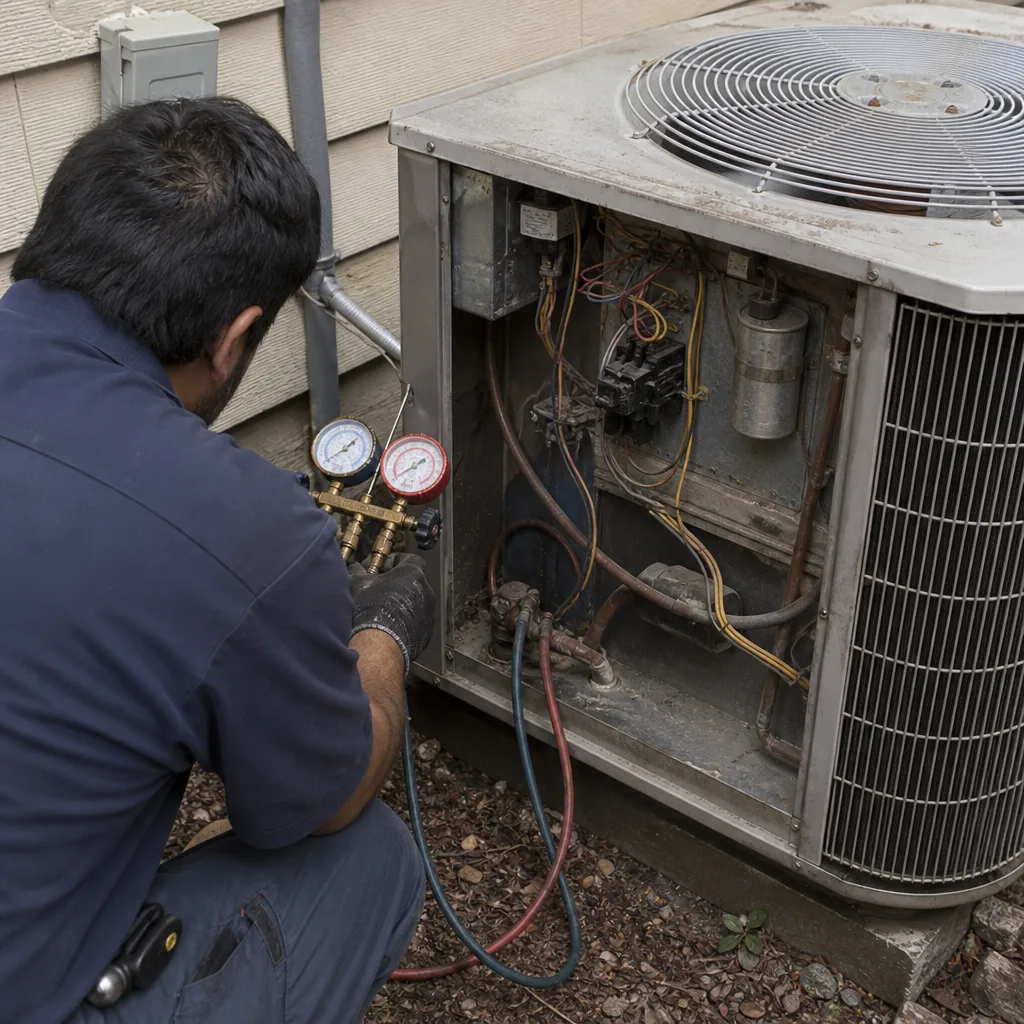 Before
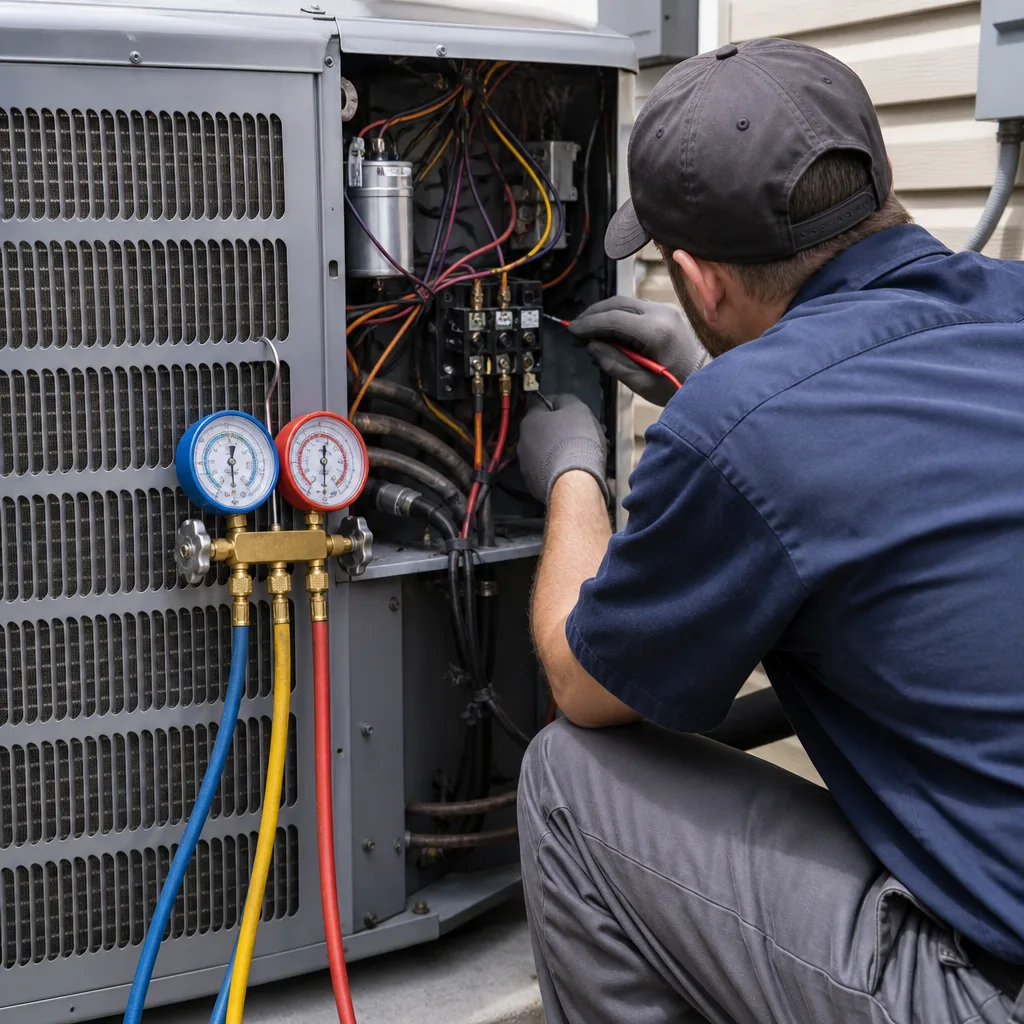 After
After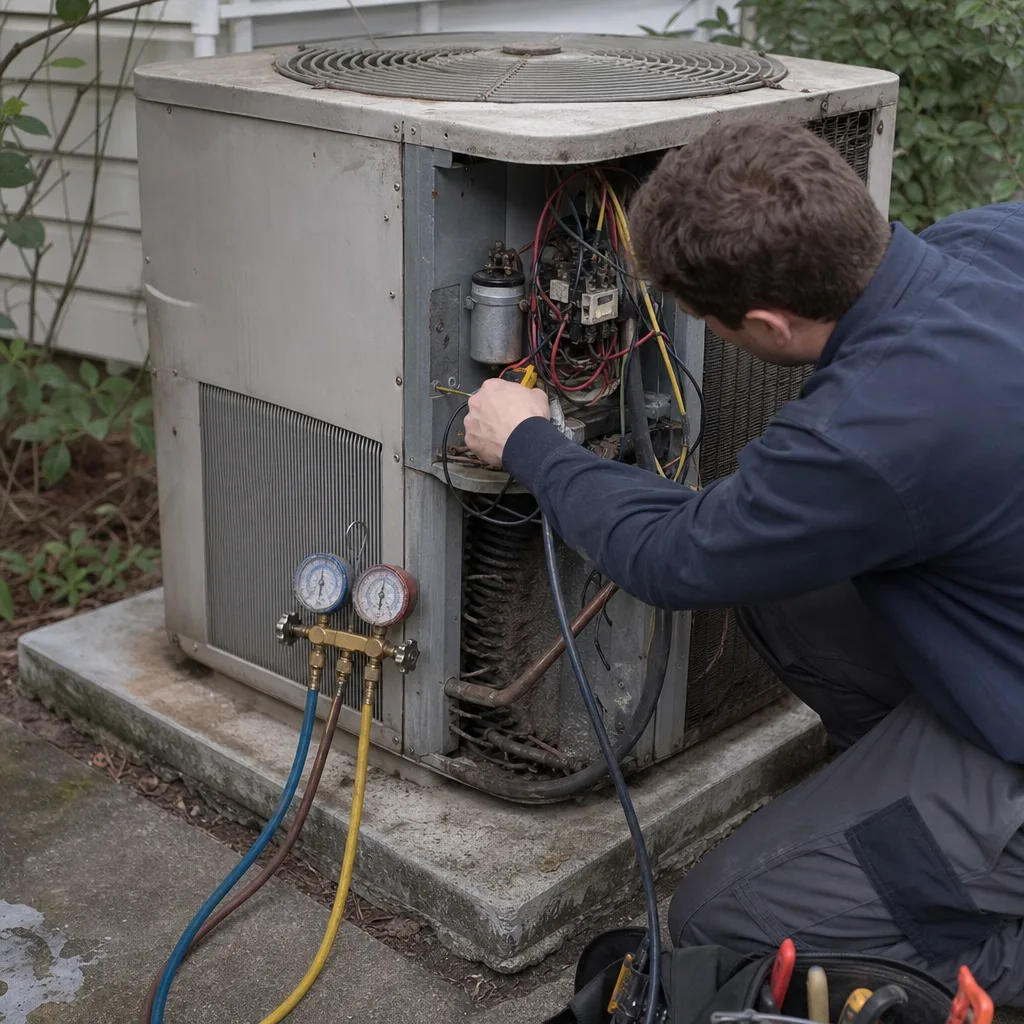 Before
 After
After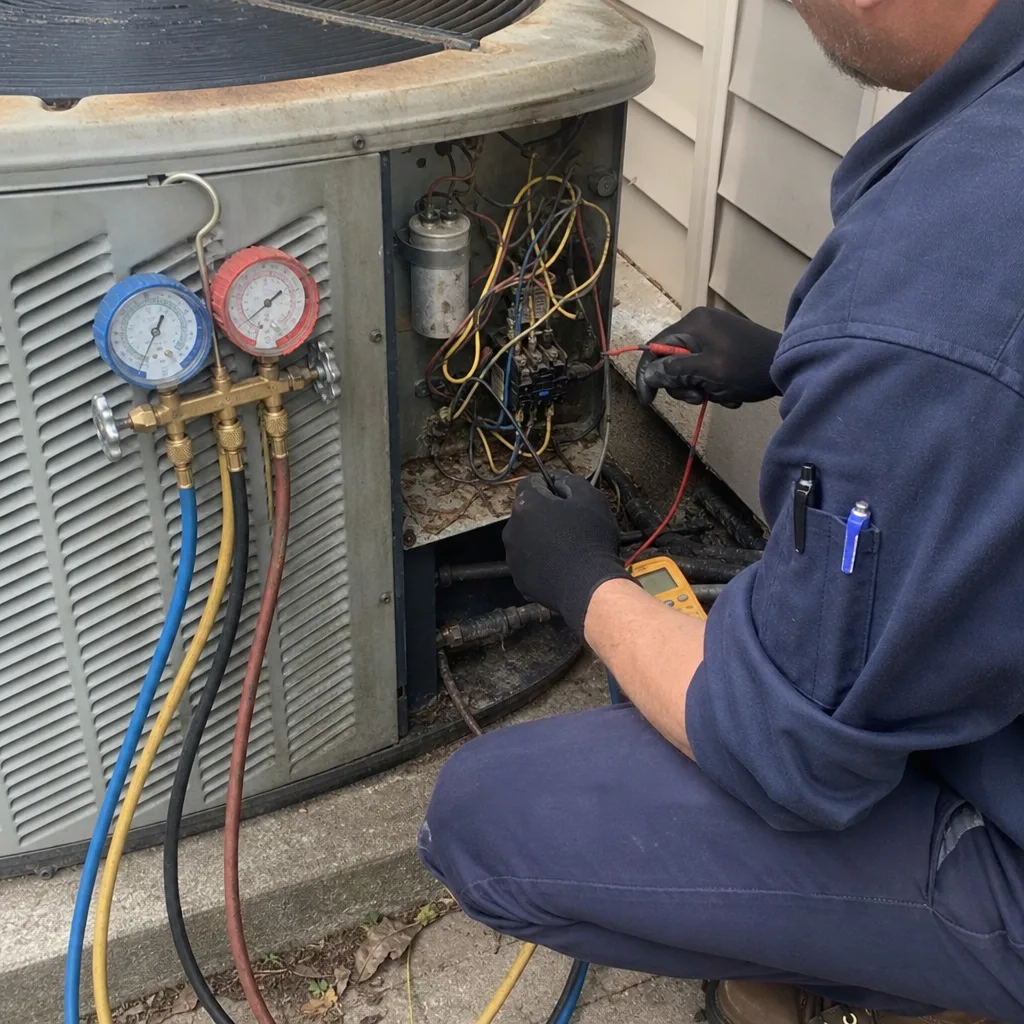 Before
 After
After