

Last updated October 16, 2026
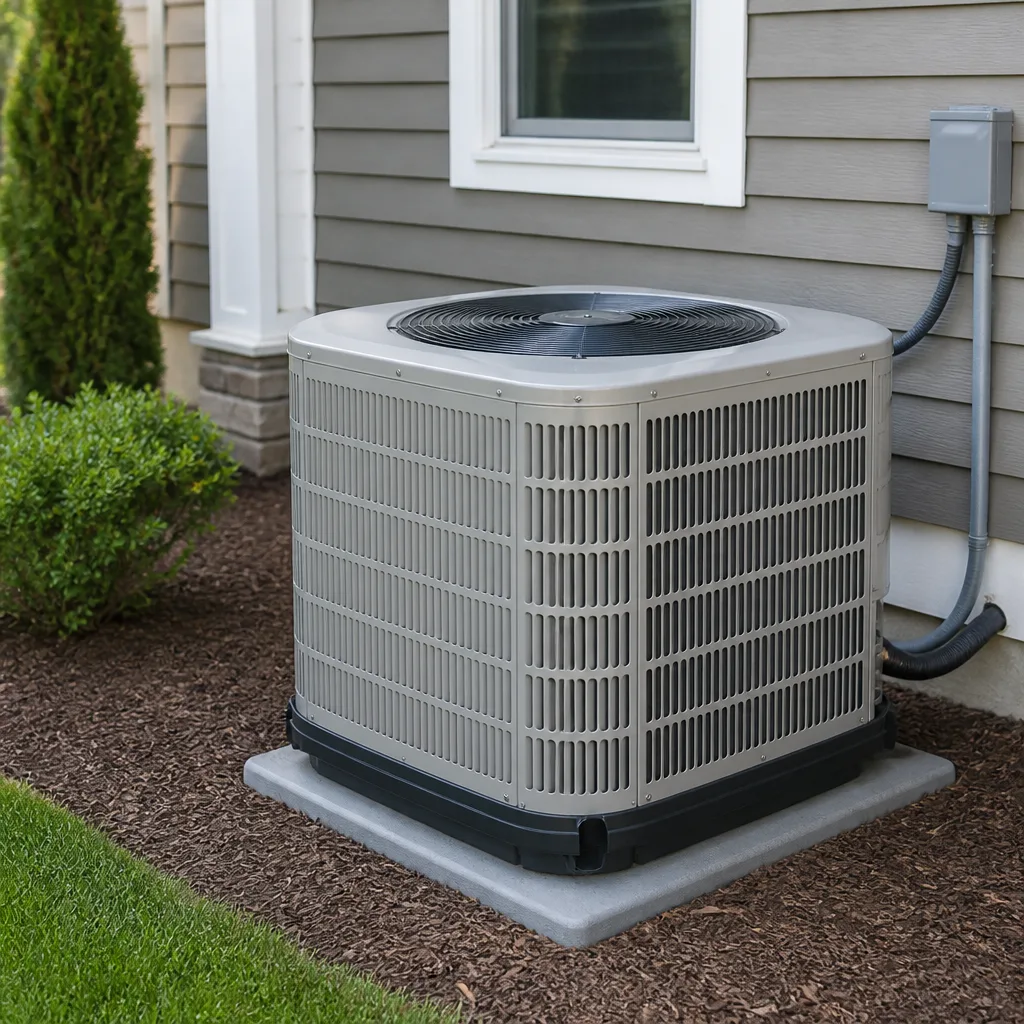 AC repair
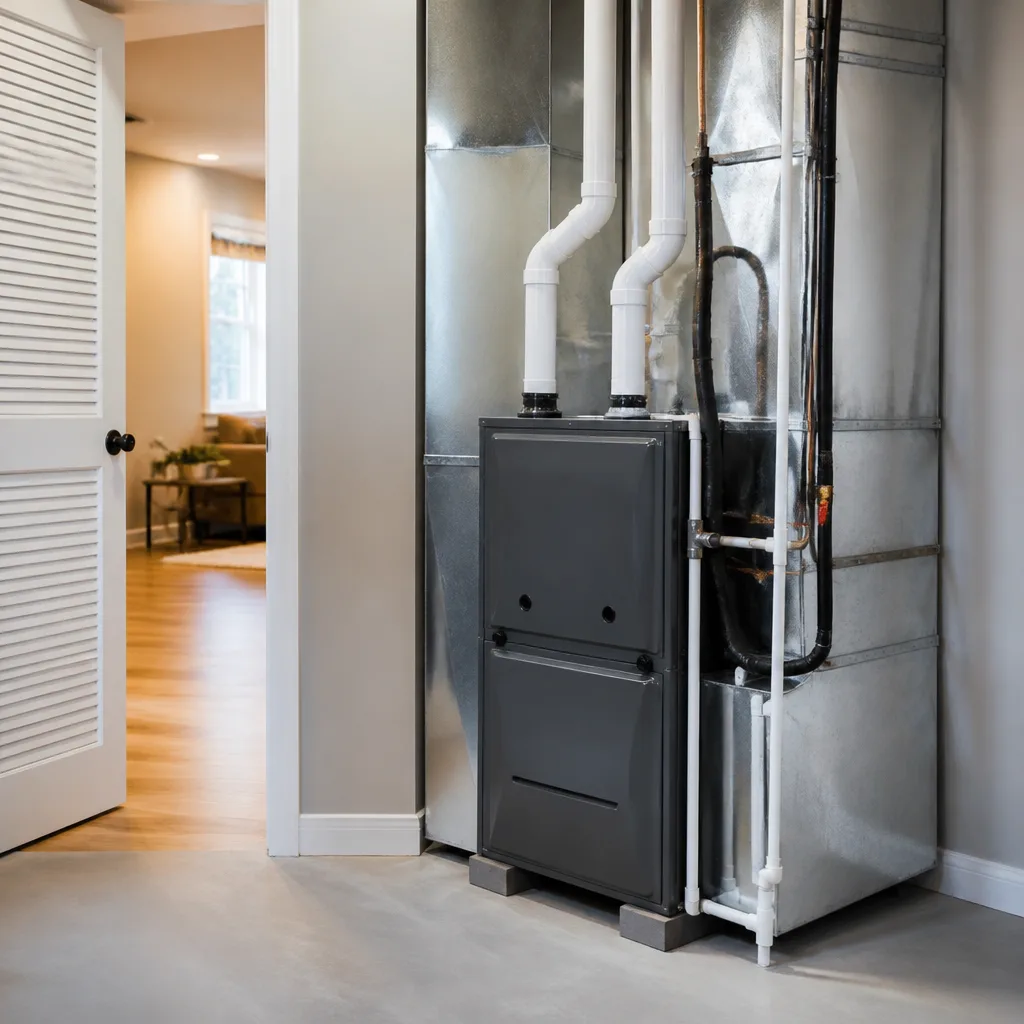 Furnace & heating
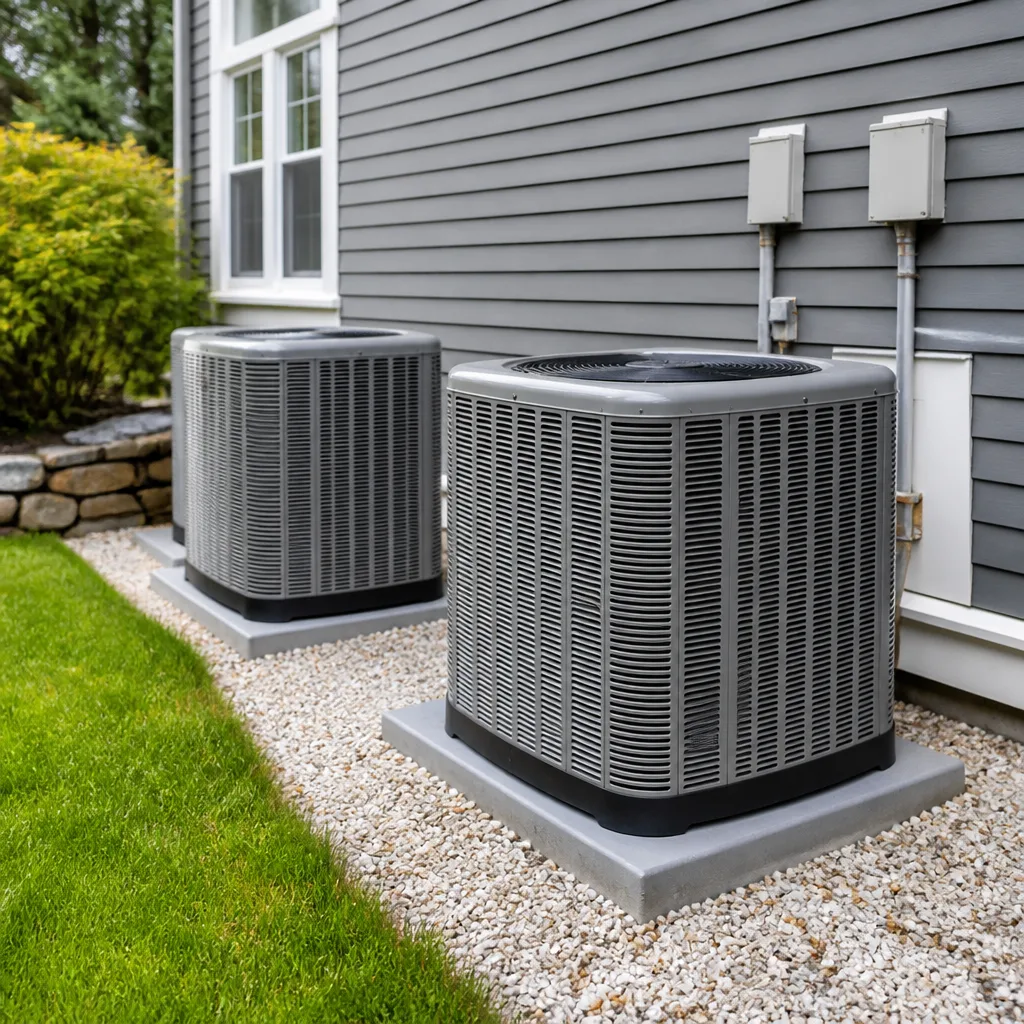 Heat pumps
 Carrier
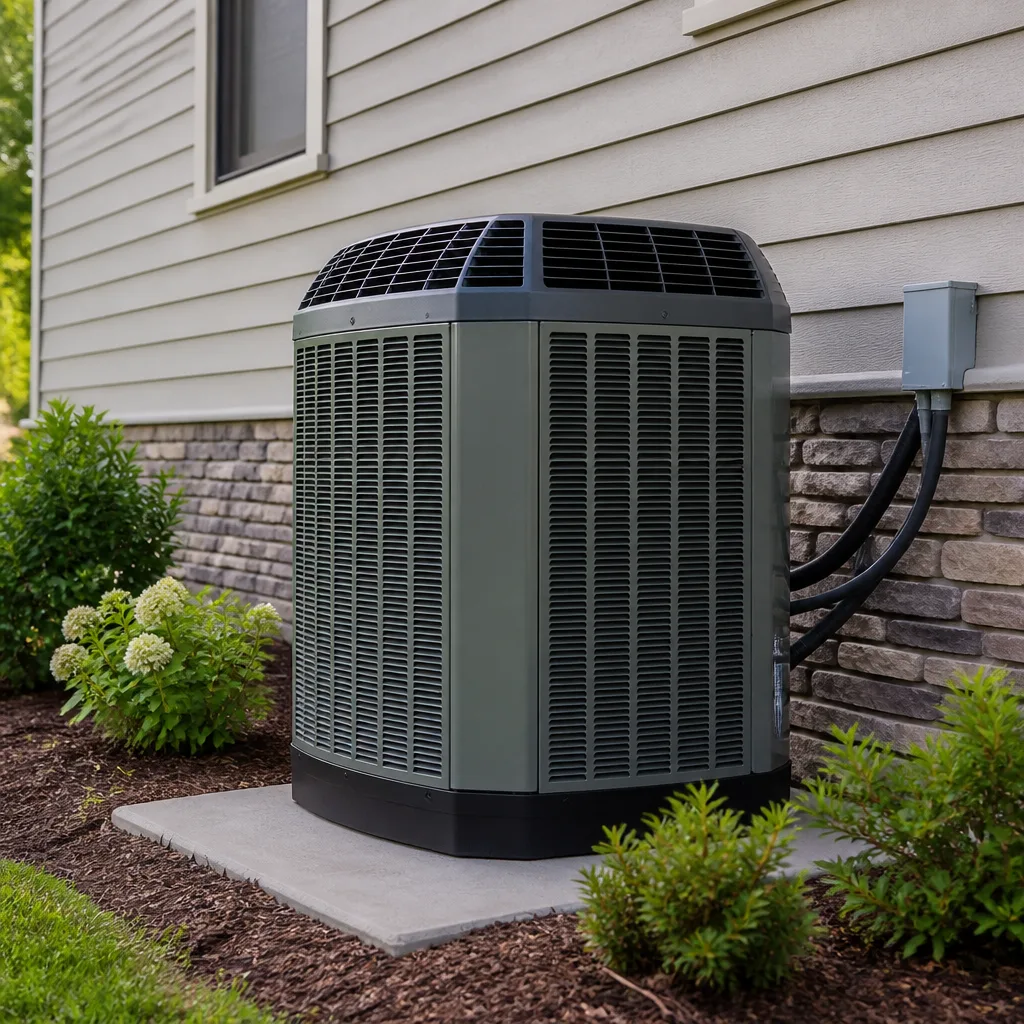 Trane
Trane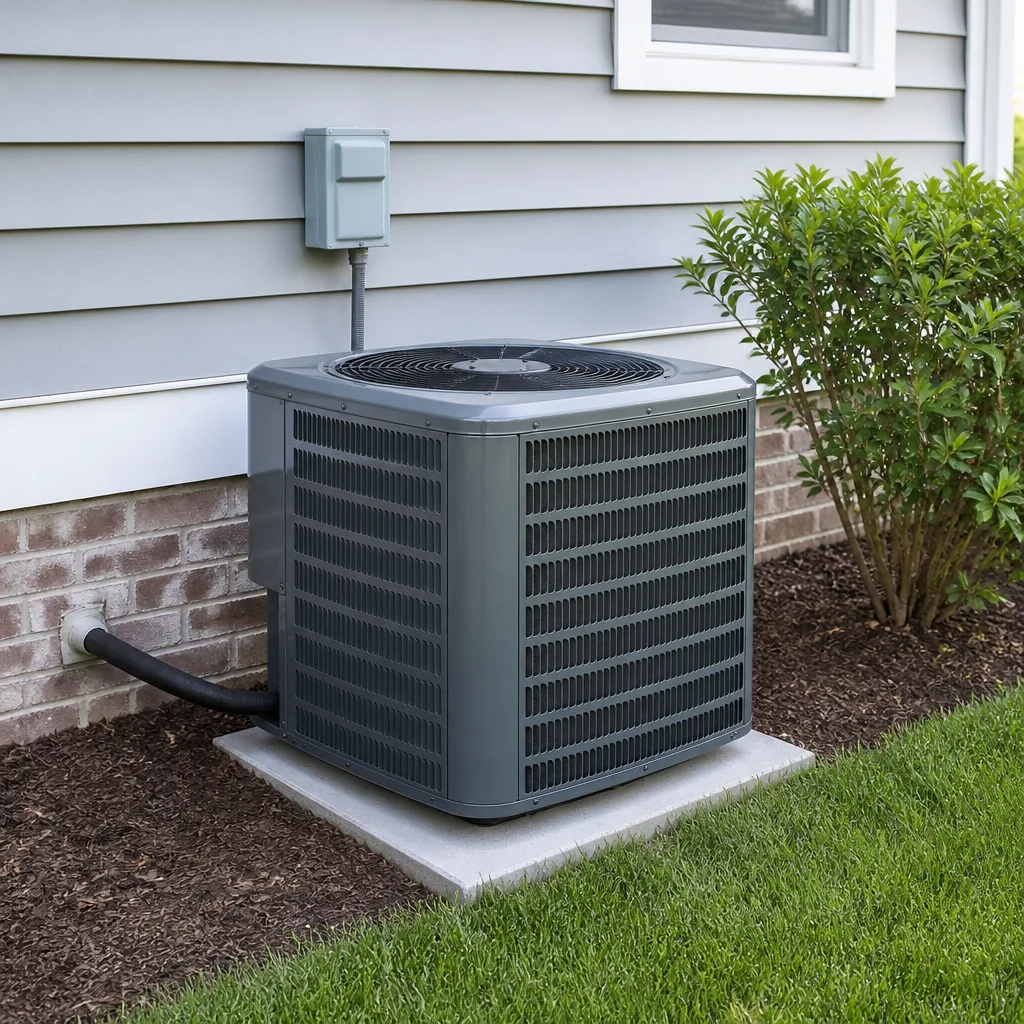 Goodman
Seasonal tune-up and full diagnostic on your Carrier, Trane, or Goodman system - readings shown to you before any repair is proposed
Diagnosis first, numbers second - you approve the repair price before a single part goes in.
Get your free estimateHVAC Permits, Codes & Inspections in GA: What You Need to Know
Georgia real estate attorneys report that unpermitted HVAC work is one of the most common closing delays in the Atlanta market, and most homeowners didn’t even know a permit was required. A furnace swapped out in 2019, a condenser replaced after a lightning strike, a water heater moved during a kitchen remodel. Each one sits quietly in county records, or rather, outside of them, until the day you try to sell the house or file an insurance claim. Then the missing permit becomes a negotiation point, a repair escrow, or a denied claim. This guide will walk you through exactly when a permit is required in Georgia, who should pull it, how to check your own property’s permit history in Atlanta, and what to do when you discover unpermitted work on a home you own or want to buy. For more guides & resources on protecting your home, see our blog.
Quick Answer
In Georgia, any HVAC installation that involves new ductwork, new gas lines, an electrical panel connection change, or a full system replacement generally requires a mechanical permit pulled by a state-licensed contractor. Simple repairs like capacitor replacements, ignitor swaps, or thermostat changes do not. In Atlanta specifically, permit requirements are enforced at the county level, which means Fulton, Cobb, and DeKalb counties each have slightly different processes for pulling and closing HVAC permits.
Styles & brands we work with
Table of Contents
- When an HVAC Permit Is Required in Georgia
- What Work Never Needs a Permit
- Homeowner-Pulled vs. Contractor-Pulled Permits: What Changes
- How to Search HVAC Permits in Fulton, Cobb, and DeKalb Counties
- What a Failed HVAC Inspection Actually Means
- How Unpermitted HVAC Work Affects Your Homeowner’s Insurance
- Unpermitted Work When You’re Selling or Buying a Home in Atlanta
- Georgia’s State Minimum Standard Codes: An HVAC Primer
When an HVAC Permit Is Required in Georgia
Georgia operates under the State Minimum Standard Codes, a set of construction and mechanical codes adopted at the state level and enforced by individual counties and cities. For HVAC work, the governing documents are the International Mechanical Code, the International Fuel Gas Code, and the National Electrical Code, all as adopted and amended by the State of Georgia. These codes are not suggestions. They carry the force of law. And the trigger for a permit under these codes is more specific than most homeowners realize.
A mechanical permit is required when the work involves adding, altering, or replacing a major mechanical system. In practice, for HVAC, this means:
- Full system replacement: Taking out an old furnace or air handler and installing a new one requires a permit, even if the new unit goes in the same spot. The mechanical code requires an inspection of gas connections, venting, clearances, and electrical disconnects.
- New ductwork or significant duct modification: Adding supply or return ducts, relocating a trunk line, or reconfiguring airflow paths requires a mechanical permit and often a duct leakage test.
- New gas line runs or gas pipe modifications: Any new gas piping for a furnace, water heater, or fireplace insert falls under the Fuel Gas Code and requires a permit and pressure test.
- Electrical panel changes to support HVAC: If a new system requires a different breaker size, a new disconnect, or a panel upgrade, an electrical permit is required in addition to the mechanical permit.
- New construction or additions: Any HVAC work in a new build, addition, or finished basement requires a permit as part of the overall building permit.
- Heat pump or mini-split installation with new refrigerant lines: These require a permit because they involve both electrical work and refrigerant line installation that must meet code for location, insulation, and pressure testing.
Here’s the plain-language version we give Atlanta homeowners who call us asking whether their job needs a permit. If the work changes the capacity or location of the system, adds new infrastructure, or involves gas or electrical changes, plan on a permit. If a question remains, call the county. Fulton, Cobb, and DeKalb each staff permitting offices in Atlanta, and a call is free. Or call us at Brandt HVAC Co Atlanta, and we’ll tell you straight what your specific job requires before any work starts. Written price, permit included or not, before we begin. That’s the way we’ve done it in Atlanta since 2003.
What Work Never Needs a Permit
Not every repair triggers a code review. Georgia’s mechanical code explicitly exempts certain maintenance and minor repair work from permit requirements. Knowing these exemptions helps you avoid overpaying for permits you don’t need, but also protects you from a contractor who tells you a permit is unnecessary when it absolutely is.
Here is a yes/no table covering permit-required versus permit-exempt HVAC work under Georgia’s State Minimum Standard Codes:
| HVAC Work Type | Permit Required? | Notes |
|---|---|---|
| Replace capacitor or contactor | No | Electrical component replacement only, no system alteration |
| Replace thermostat | No | Low-voltage work, even with smart thermostat upgrades |
| Replace ignitor or flame sensor | No | Component repair within the existing furnace cabinet |
| Condensate line cleaning or repair | No | Maintenance, no code change required |
| Refrigerant recharge on existing system | No | Unless accompanied by a coil or compressor replacement |
| Replace condenser fan motor | No | Like-for-like component replacement |
| Replace furnace blower motor | No | Like-for-like, within existing cabinet |
| Full furnace replacement, same location | Yes | Gas line, venting, and clearance inspections required |
| Full AC condenser replacement, same pad | Yes | Refrigerant line and electrical disconnect inspection required |
| New mini-split or heat pump with new refrigerant lines | Yes | Electrical and mechanical code compliance required |
| New duct run added to existing system | Yes | Duct design and leakage test may be required |
| Gas line extended for new appliance | Yes | Fuel gas code pressure test required |
One point worth making clear: the fact that a repair doesn’t require a permit doesn’t mean it shouldn’t be done professionally. A capacitor or ignitor replacement is a genuine repair with genuine safety implications. Most furnace ignitor replacements run $150 to $300, parts and labor included, in the Atlanta metro area. And the work should still be done by someone who knows what they’re doing, especially when gas or high voltage is present. But no county in the Atlanta area will ask you for a permit to swap a capacitor. That’s maintenance, not modification.
Homeowner-Pulled vs. Contractor-Pulled Permits: What Changes
Georgia law allows a homeowner to pull their own permit for HVAC work on a property they own and occupy. This is true in Fulton, Cobb, and DeKalb counties, as it is throughout the state. But the practical difference between a homeowner-pulled permit and a contractor-pulled permit matters more than most people realize, and it matters in ways that surface years later.
When a licensed contractor pulls the permit, that permit is tied to the contractor’s state license number. That connection does something important: it places the licensed contractor’s bond and insurance on the line for the quality and code compliance of that installation. If the work fails inspection, the contractor is obligated to correct it. If a defect later causes property damage, the contractor’s insurance policy is implicated. The permit creates a chain of accountability that follows the work.
When a homeowner pulls the permit, that accountability chain disappears. The homeowner becomes the general contractor of record for that permit. If the installation is done incorrectly, the homeowner holds the liability. If an unlicensed helper does the work under a homeowner permit and something goes wrong, the homeowner’s insurance policy is the one that gets called. And in some cases, the homeowner’s policy may decline coverage because the work was not performed by a licensed contractor, a point we’ll return to in the insurance section below.
We’ve seen this play out in Atlanta more times than we’d like. A homeowner hires a handyman who says, “You pull the permit, I’ll do the work, you’ll save money.” The work gets done. The permit gets closed, sometimes after an inspection that wasn’t as rigorous as it should have been. Five years later, a furnace vent separates in an attic in Winter, and the resulting fire damage becomes a fight with an insurance company that sees an unpermitted, homeowner-pulled permit and starts asking questions. The savings from that handyman deal evaporates.
The better path: get the work done by a licensed mechanical contractor who pulls the permit in their own name. That’s what we do at Brandt HVAC Co Atlanta. Every new installation we do in Atlanta carries the full permit trail, pulled under our license, with our guarantee attached. That’s certainty. That’s what a homeowner should get.
How to Search HVAC Permits in Fulton, Cobb, and DeKalb Counties
Before you buy a home in Atlanta, or before you list one, pull the permit history. Each county maintains an online portal where anyone can search permits by address. The process takes about ten minutes and can prevent a closing from unraveling in week six of the contract.
Here is a step-by-step for each county:
- Fulton County: Go to the Fulton County Accela Citizen Access portal. Select “Search Permits” and enter the property address without a unit number. Look for Mechanical (MCH) permits. Check the “Status” column. A permit marked “Final” or “Closed” means the work passed final inspection. A permit still “Open” or “Issued” but not “Final” means the work was never inspected and closed. Click each mechanical permit number to see the work description, the contractor name, and the issue date.
- Cobb County: Use the Cobb County E-Permits portal. Search by address, then filter by category “Mechanical.” Cobb’s portal shows the permit status prominently. A red “Open” status means the permit is not finaled. This is a red flag when you are buying a home.
- DeKalb County: Use the DeKalb County Permitting and Inspections portal. Run the address, then review all permits under the “HVAC” or “Mechanical” type. DeKalb’s portal includes the name of the licensed contractor, which is useful for verifying that a licensed pro did the work rather than a homeowner or unlicensed installer.
If you find an open permit on a home you’re buying, the closing needs to be handled carefully. An open permit means the work was never inspected and never approved. The safest resolution is to make the seller close the permit before closing, or escrow funds to close it after. If you find no permit at all for a system that should have had one, you’ve found unpermitted work, and you’ll want to read the next sections carefully before proceeding.
If the search itself feels like more than you want to take on, a good home inspector who knows Atlanta proper can pull permit histories as part of a pre-purchase HVAC inspection. We regularly get calls from buyers who want a second opinion on a system’s condition after an inspection report comes back flagged. Our AC maintenance inspections in Atlanta often turn up code issues that home inspectors miss because we’re looking at the mechanical side specifically.
What a Failed HVAC Inspection Actually Means
A failed inspection sounds worse than it usually is. In Georgia, a failed HVAC inspection is simply a written list of corrections. The inspector is not condemning the work. They are saying: this installation does not meet code, and here is the specific code section it violates. The correction process is formal, but it is not a catastrophe. It is a punch list.
The two most common HVAC inspection failures in Georgia are:
- Improper condensate drainage: The International Mechanical Code is specific about where condensate from an air conditioner or high-efficiency furnace must drain. It cannot drain into a crawl space. It cannot drain uphill. It needs proper slope, proper trap configuration, and a secondary drain or shutoff switch for attic installations. This fails more often than anything else because it looks done right but is not.
- Inadequate electrical disconnect clearance: The National Electrical Code requires a certain clearance in front of the outdoor condenser’s electrical disconnect, and the disconnect itself must be rated properly for the circuit. When installers squeeze a condenser into a tight side yard in an older Atlanta neighborhood like Grant Park or Virginia Highland, the disconnect ends up in the wrong place or the wrong type, and the inspection fails.
- The seller pays to have the work permitted retroactively. This means hiring a licensed contractor to inspect the installation, correct any code violations, and pull a retroactive permit. The cost varies with the condition of the work, but a straightforward retro permit with minor corrections typically runs $500 to $1,500 in the Atlanta area. More extensive corrections can run higher.
- The seller offers a repair credit at closing. The buyer takes the risk, and the price comes down. The credit is usually sized to cover the estimated cost of retroactive permitting plus a buffer for corrections.
- The deal dies. If the unpermitted work is central enough, and the buyer’s lender refuses to finance until it’s resolved, the whole transaction can collapse. This is the outcome that real estate attorneys in Atlanta report most often when the work involves gas lines or full system replacement.
- International Mechanical Code (IMC): Governs heating, cooling, ventilation, exhaust, and duct installation. It sets requirements for equipment clearances, condensate drainage, combustion air, and access to equipment.
- International Fuel Gas Code (IFGC): Governs gas piping, venting, and gas appliance installation. It sets requirements for pipe sizing, pressure testing, combustion air, and vent termination.
- National Electrical Code (NEC): Governs the electrical side of HVAC: disconnects, wiring methods, overcurrent protection, and grounding.
- International Energy Conservation Code (IECC): Governs the energy efficiency of new installations, including minimum SEER ratings, duct insulation, and duct leakage limits.
When an inspection fails, the contractor who pulled the permit has a limited time to correct the issues and schedule a reinspection. In Fulton County, that window is typically 30 days for a open permit correction, though the exact time is at the inspector’s discretion. In Cobb and DeKalb, the process is similar. The important thing for you, as the homeowner, is that the installing contractor, not you, is responsible for making those corrections if the permit was pulled in their name. That’s the accountability chain we talked about earlier. It matters.
One more note on inspections that surprises homeowners: the inspector is checking for minimum code compliance, not quality. Minimum means the threshold below which a system is unsafe or non-compliant. It does not mean the system is well-designed or efficient. A system can pass inspection and still be oversized, poorly zoned, or installed without proper airflow testing. That’s why a written guarantee from the installing company matters as much as the permit. Our 365-Day Done Right Promise covers the quality side: if the repair or installation is not done right, we return and make it right, no charge. That extends past the inspector’s minimum.
How Unpermitted HVAC Work Affects Your Homeowner’s Insurance
Here is the section most guides skip. Unpermitted HVAC work does not just become a problem when you sell. It becomes a problem when you file a claim. And the specific policy language that governs this is in your declarations page and the body of your policy, not in the fine print of your county’s code.
Most Georgia homeowners policies contain language that requires the home to be maintained in compliance with applicable building codes and that requires any modifications to be done with proper permits. That language is often found under the “Conditions” section, in paragraphs about concealment, misrepresentation, or maintenance. The exact wording varies by carrier, but the effect is similar across the board: if a fire, water damage, or other covered loss traces back to unpermitted mechanical work, the insurer may deny the claim for that portion of the damage.
The classic Atlanta scenario is a furnace in a crawl space. An unpermitted furnace replacement gets installed without proper clearance to combustibles. Years later, the heat exchanger cracks and starts a fire. The insurance company investigates, finds no permit on record, and finds that the installation violated the mechanical code. The claim for fire damage gets denied, in full or in part. The homeowner is left holding a six-figure repair bill.
Even if the claim is not denied, the presence of unpermitted work can reduce the settlement. Insurers will sometimes pay to repair the covered damage but exclude the cost of bringing the unpermitted work up to code. That means you pay out of pocket for the code correction.
What to look for on your declarations page: find the section that describes the property and any improvements. Confirm that any HVAC replacement or major modification done during your ownership is reflected there. If your system was replaced before you bought the home, and you cannot find a permit record in the county portal, that’s a flag worth addressing before a claim ever happens. A licensed mechanical inspection can document the system’s condition and identify code violations before they become claim problems. We do these inspections regularly for Atlanta homeowners who are buying, selling, or just want certainty about what’s in their mechanical rooms and attics.
Unpermitted Work When You’re Selling or Buying a Home in Atlanta
This is where the financial trap snaps shut. You decide to sell your Atlanta home. The buyer’s inspector flags that the air handler in the attic appears to be newer than the home, and the buyer’s attorney pulls the permit history. No permit exists. Now what?
In the Atlanta market, this discovery usually triggers one of three outcomes:
The lesson is not that you should skip the permit when you have work done. The lesson is that the permit is cheaper than the closing delay. A mechanical permit for a furnace or AC replacement in Fulton, Cobb, or DeKalb county generally costs between $75 and $300, depending on the value of the work. That’s a rounding error compared to a $10,000 closing credit or a failed sale.
Our advice to any Atlanta seller: before listing, spend thirty minutes in the county portal. Pull your own property’s permit history. If you find a gap, address it then, not after the buyer’s attorney finds it. And if a buyer’s attorney finds unpermitted work on a home you are buying, do not accept a handshake promise that the seller will handle it. Get it in writing, with a named contractor and a deadline, or get a credit at closing.
Georgia’s State Minimum Standard Codes: An HVAC Primer
Georgia adopted its State Minimum Standard Codes in the early 2000s, following a period when code enforcement varied wildly from county to county. The idea was simple: one set of construction codes for the whole state, with local jurisdictions handling enforcement. That system is still in place, and it is why the same mechanical code governs an HVAC installation in Buckhead, East Point, and Smyrna alike.
For HVAC, the relevant standards are:
Atlanta’s climate makes some of these code requirements more meaningful than they would be in another state. The humidity that defines a Georgia summer, with dew points routinely in the 70s, makes proper condensate drainage not just a compliance detail but a mold prevention measure. A condensate drain that violates the mechanical code in Atlanta means water pooling in an attic or crawl space, which means mold, which means a repair bill that makes the permit fee look like a typo. The same is true for duct leakage limits: a duct system leaking 20 percent of its air into a vented attic in a Georgia summer is leaking money, every minute the AC runs. The energy code is not bureaucratic overhead. It is a floor under your cooling bill.
When you replace a central AC unit in Atlanta, the new system must meet current IECC minimum efficiency standards, which in 2023 rose to 14 SEER2 for the Southeast region. That’s not a suggestion from a salesman. It’s the law, and a permit plus inspection verifies compliance. When we install a new AC system in Atlanta, the permit and inspection are part of the job. Not an add-on. Not an optional extra. Part of the job, at a written price, before the work begins.
One more code point that affects a lot of Atlanta homes: equipment in a flood plain. Parts of Atlanta fall within FEMA-designated flood zones. The mechanical code requires that HVAC equipment in a flood zone be elevated above the base flood elevation. If your home’s AC condenser sits on a pad at ground level in a flood zone, and you replace it, the new installation must meet the elevation requirement. Failure to do so can affect both code compliance and flood insurance coverage. Worth checking if you live near Peachtree Creek, the Chattahoochee, or any of the other waterways that trace through the metro area.
Common Mistakes to Avoid
- Skipping the permit because the contractor suggested it. Some contractors frame skipping the permit as a favor to you, a way to save money and time. The savings are usually modest, and the risk lands entirely on you. Insist on the permit.
- Assuming a home inspector will catch unpermitted HVAC work. A typical home inspection in Atlanta includes a visual review of the HVAC system, but the inspector is not pulling permit histories. That’s the buyer’s attorney’s job, and it happens late in the deal, which is why this problem surfaces so close to closing.
- Pulling a homeowner permit for work you are paying someone else to do. This transfers liability to you. If the person doing the work is not licensed, and something goes wrong, you own the outcome. If the person doing the work is licensed, they should pull the permit in their own name.
- Confusing a permit with a code inspection. A permit is just permission to do the work. The inspection is the review that follows. A permit that was issued but never finaled is just as much a problem as no permit at all.
- Ignoring an open permit on a home you own. Open permits can sit in county records for years. They interfere with refinancing, future permits, and eventually, a sale. If you find an open mechanical permit on your own property, close it now, not when you list the house.
- Assuming the seller will handle it. When a buyer’s attorney finds unpermitted work, the seller’s instinct is often to minimize it. Trust the written record from the county portal, and get any resolution in writing before you sign.
- Thinking this does not apply to you if you are not selling. The insurance section above explains why this matters even if you stay in the home forever. Unpermitted work is a standing liability, not a deferred closing problem.
See the difference
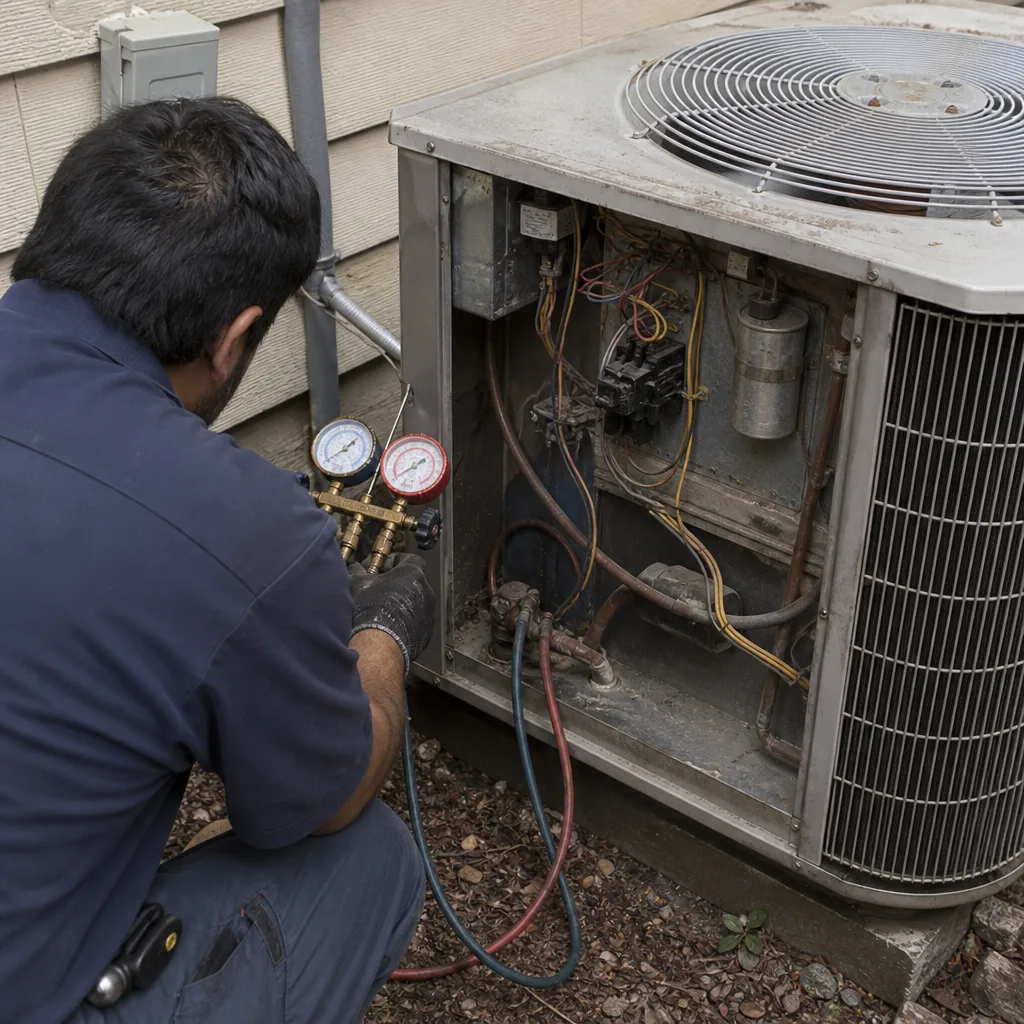 Before
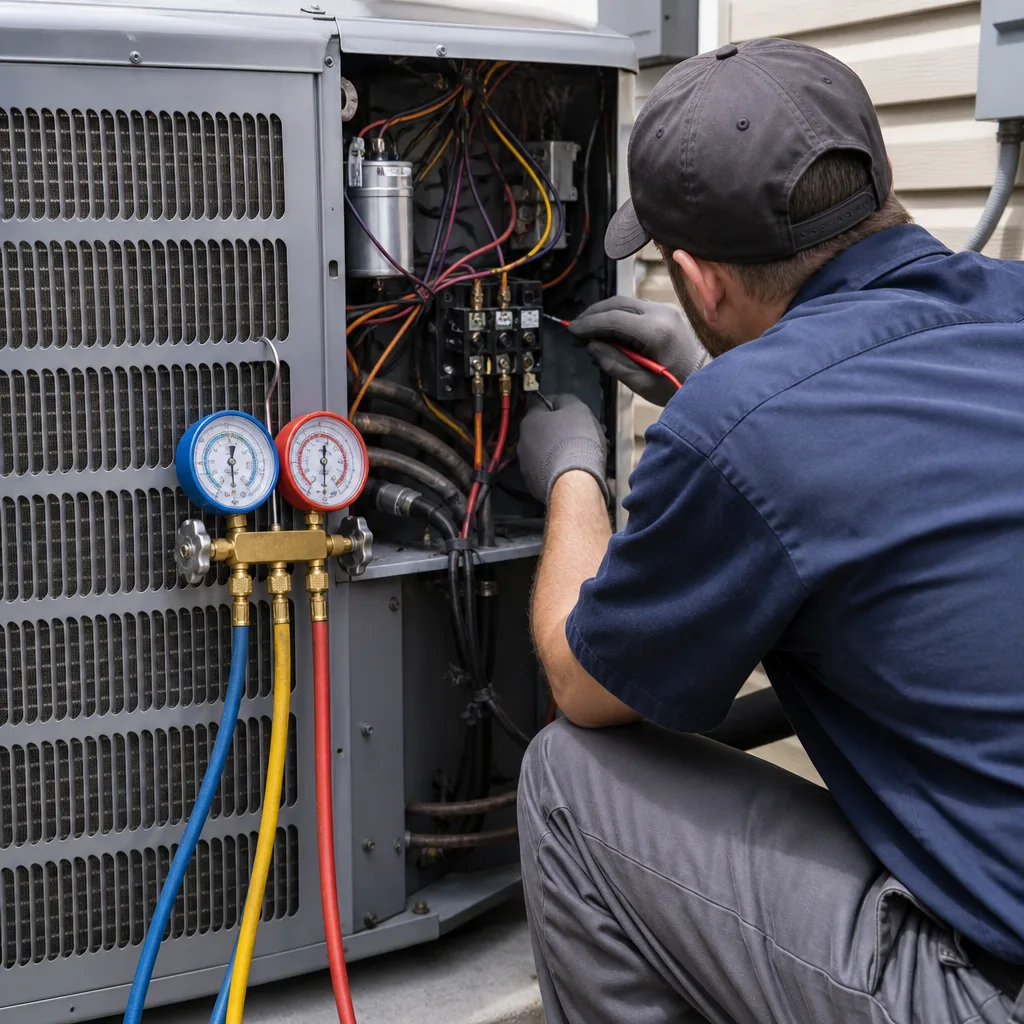 After
After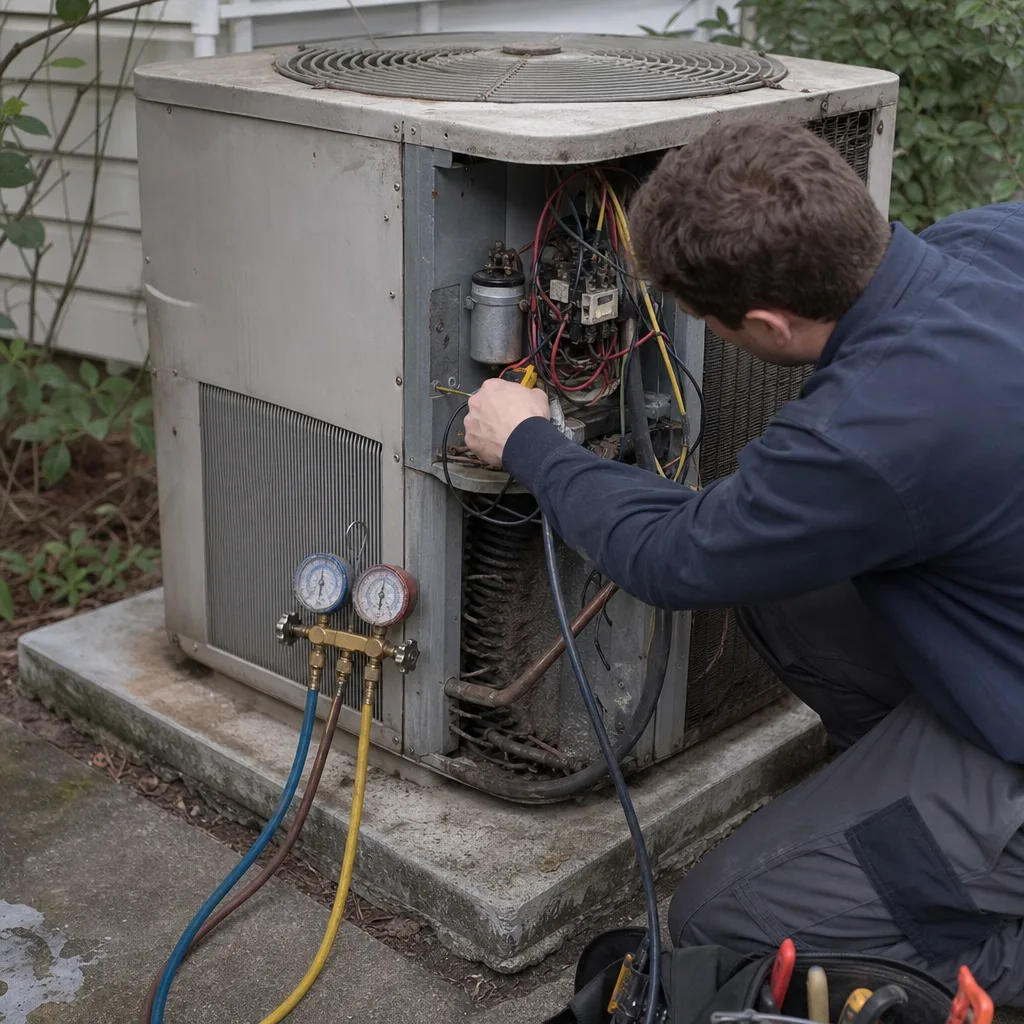 Before
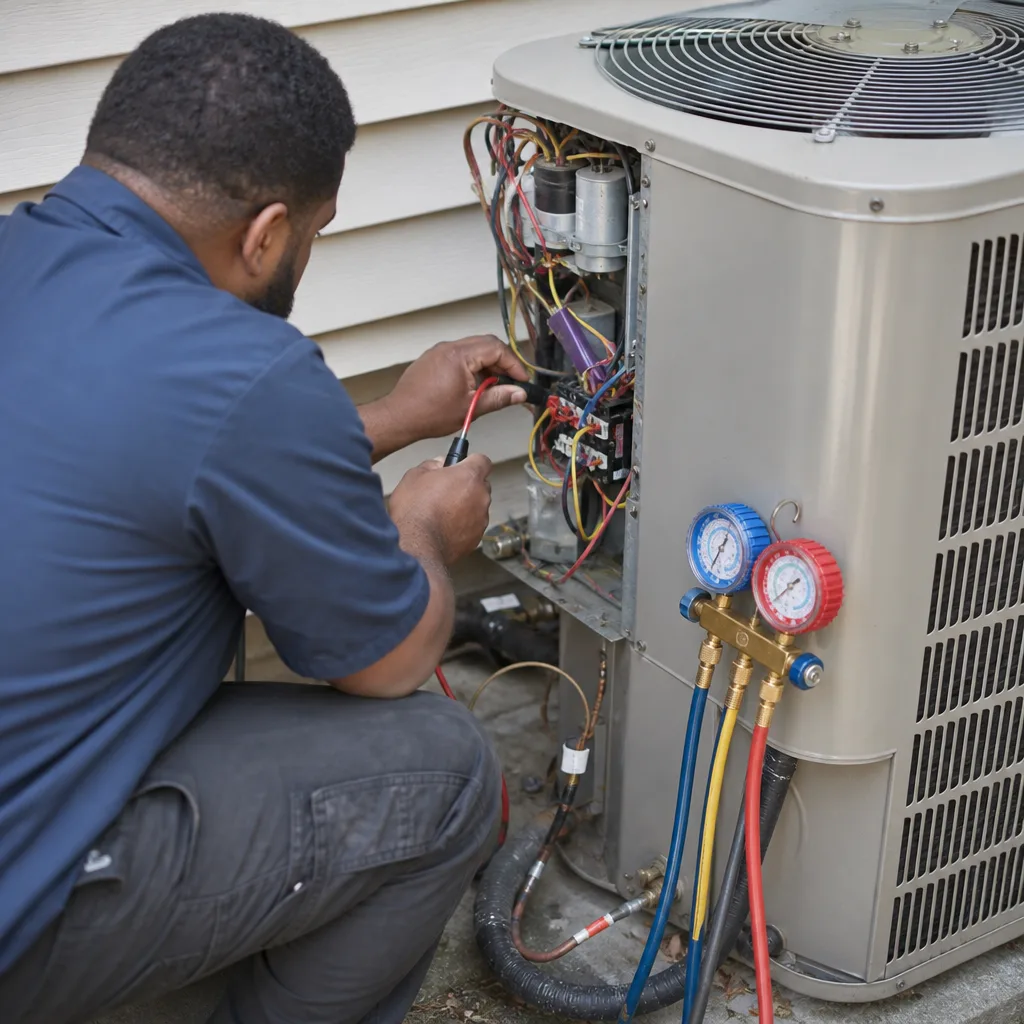 After
After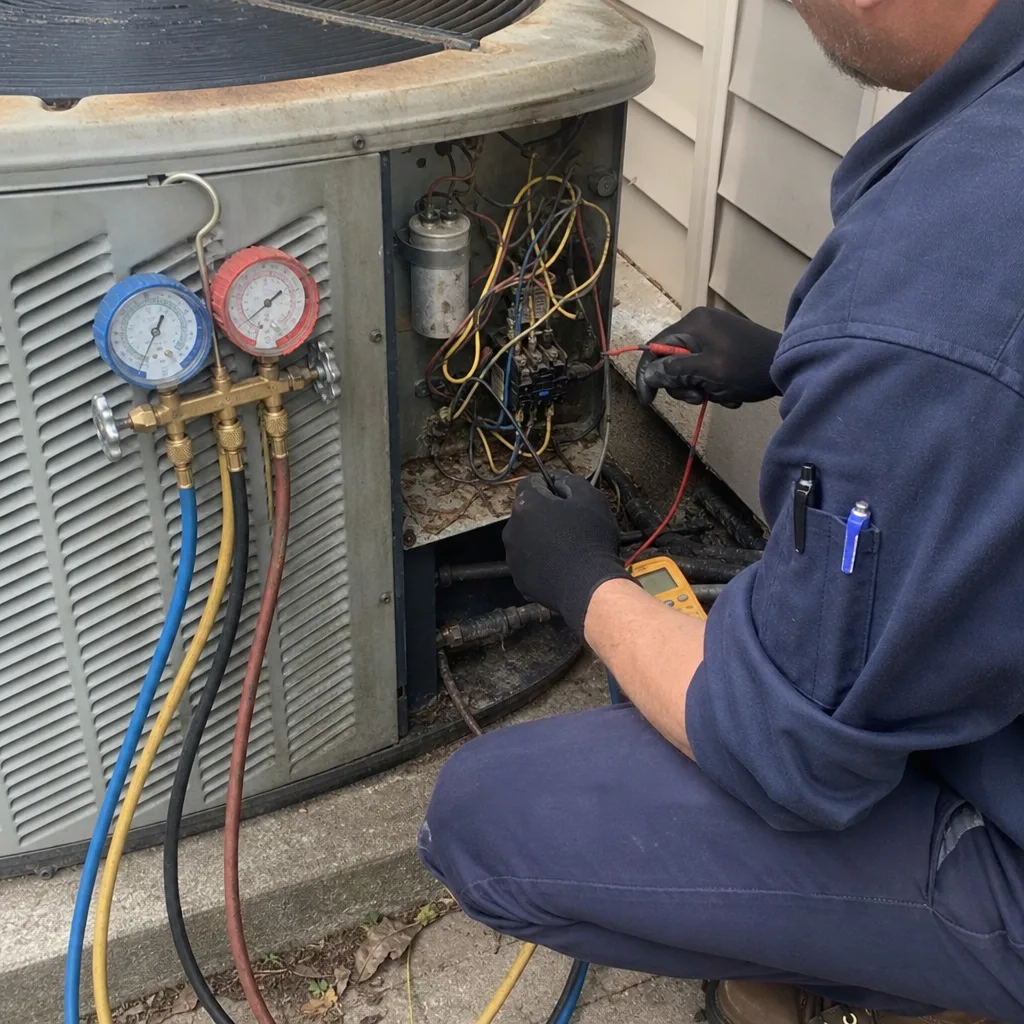 Before
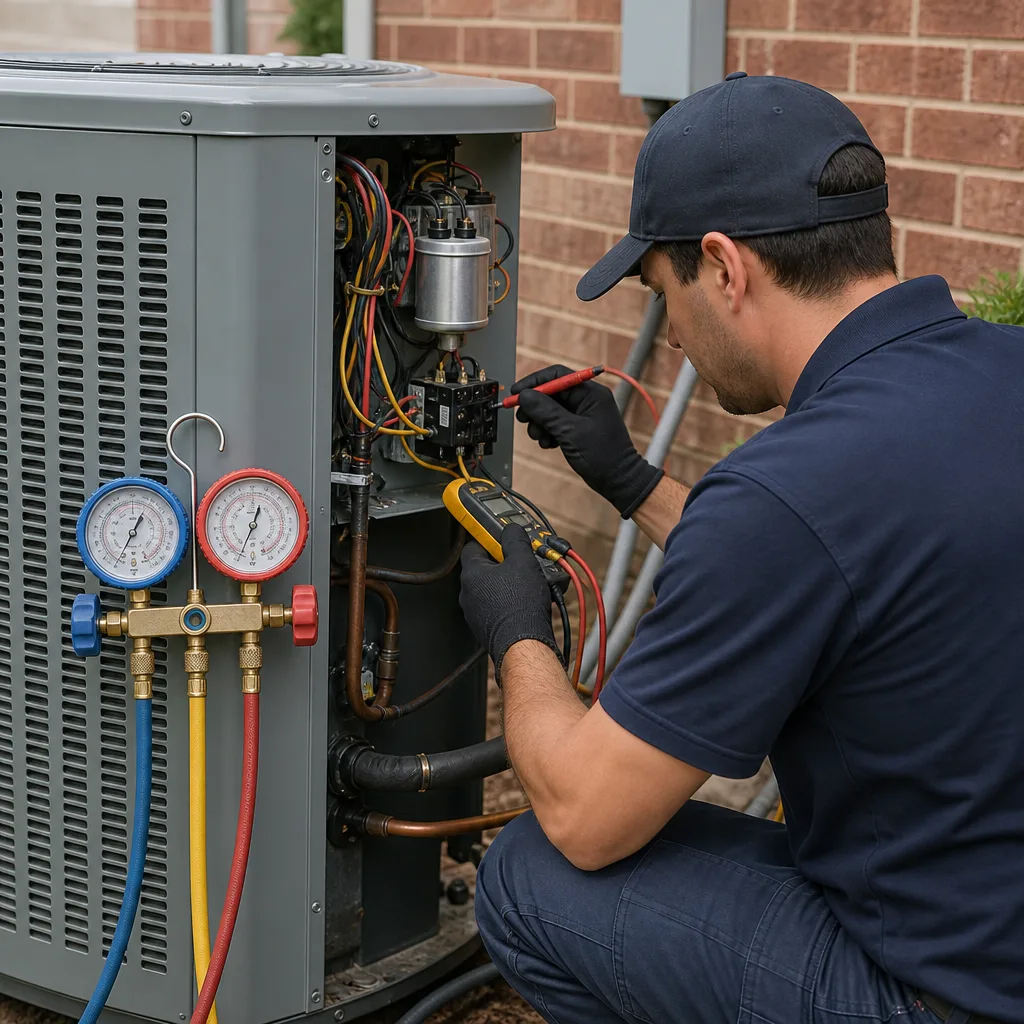 After
AfterWhen to Call a Professional
If you have found open permits, unpermitted work, or a failed inspection on your Atlanta property, this is the moment to stop handling things through guesswork. A licensed mechanical contractor can inspect the installation, identify code violations, and tell you exactly what it will take to bring the work into compliance. Use our AC Repair Maintenance Checklist for Atlanta Homeowners to track what needs attention. That’s a diagnosis, not a sales pitch. And it’s the first step toward closing a permit or clearing an insurance flag.
If you are buying a home in Atlanta and the inspection raised HVAC questions, a second opinion specific to the mechanical side can save you from a costly post-closing surprise. The Atlanta market moves fast, and buyers who skip the targeted HVAC review often own the problem by the time they discover the full scope of it.
Brandt HVAC Co Atlanta offers free estimates in Atlanta, call (762) 465-4570. We’ll tell you straight what needs a permit, what doesn’t, and what it will cost to make your system right. Written price before any work starts. That’s the way it should be.
Frequently Asked Questions
Yes, a full AC condenser or complete system replacement generally requires a mechanical permit under Georgia’s State Minimum Standard Codes, even when the new unit goes in the same location as the old one. The permit triggers an inspection of the electrical disconnect, refrigerant lines, and condensate drainage. Call (762) 465-4570 and we’ll tell you if your specific replacement in Atlanta requires a permit before any work starts.
You can, if you own and occupy the home, but pull it only if you are doing the work yourself. If you pay someone else to do the work, that contractor should pull the permit in their own name. A homeowner-pulled permit with an unlicensed installer behind it puts the liability on you, not the contractor.
Mechanical permit fees in Fulton, Cobb, and DeKalb counties generally run between $75 and $300, depending on the value of the installation and the county’s fee schedule. The exact fee is calculated at the time of permit application. The permit fee is small compared to the cost of resolving unpermitted work later, which typically runs $500 to $1,500 just for the retroactive permit and basic corrections.
Search your property address in the online permit portal for your county. Fulton County uses Accela Citizen Access, Cobb County uses E-Permits, and DeKalb County uses its Permitting and Inspections portal. Look for mechanical permits with a status of “Open” or “Issued” but not “Final.” Any open permit needs to be closed before you sell or refinance.
You inherited the problem. The unpermitted work is now your liability, tied to your insurance policy and your future sale. The practical fix is to hire a licensed contractor to inspect the installation, correct any code violations, and pull a retroactive permit where the county allows one. In many cases the work itself is fine and the correction is minimal, but you won’t know until a licensed eye looks at it.
It doesn’t void the whole policy automatically, but it can lead to a denied claim if a loss traces back to the unpermitted work. Check your policy’s conditions section for language about building code compliance and proper permits. The cleaner path is to document your system’s condition with a licensed inspection and address any permit gaps before a claim happens.
The Bottom Line
An HVAC permit in Georgia is a small piece of paper that carries an outsized weight. Skip it, and you save $75 to $300 at the time of installation. Then the risk sits in your county’s records, in your insurance policy’s fine print, and in the closing file of whatever future buyer eventually makes an offer on your home. The math does not work in favor of skipping it. Pull the permit, close the inspection, keep the paper. And if you inherit a home with gaps in that paper trail, deal with it now, before it deals with you during a sale or a claim. This is the kind of certainty that makes a house in Atlanta a safer thing to own, and a safer thing to sell.
Written by Devin Marlowe, Owner at Brandt HVAC Co Atlanta, serving Atlanta since 2003.