

Last updated October 16, 2026
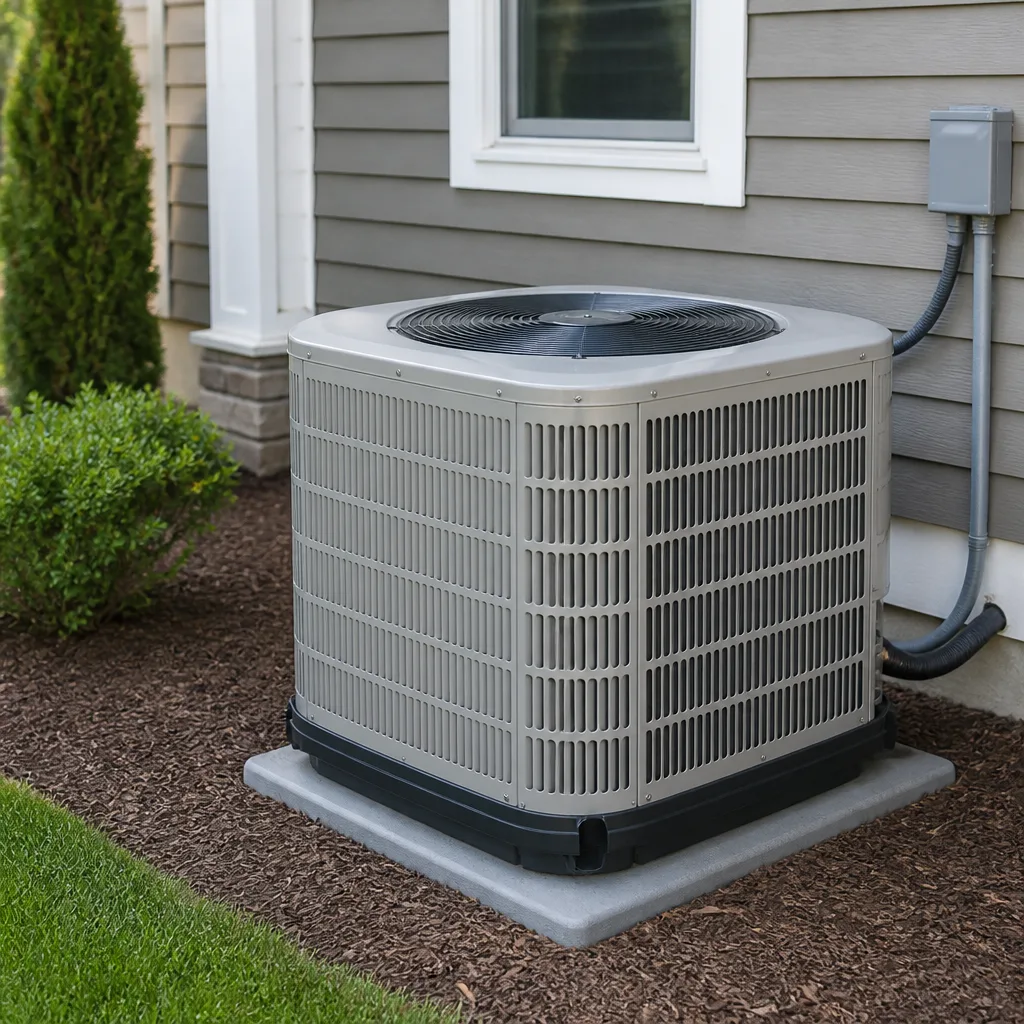 AC repair
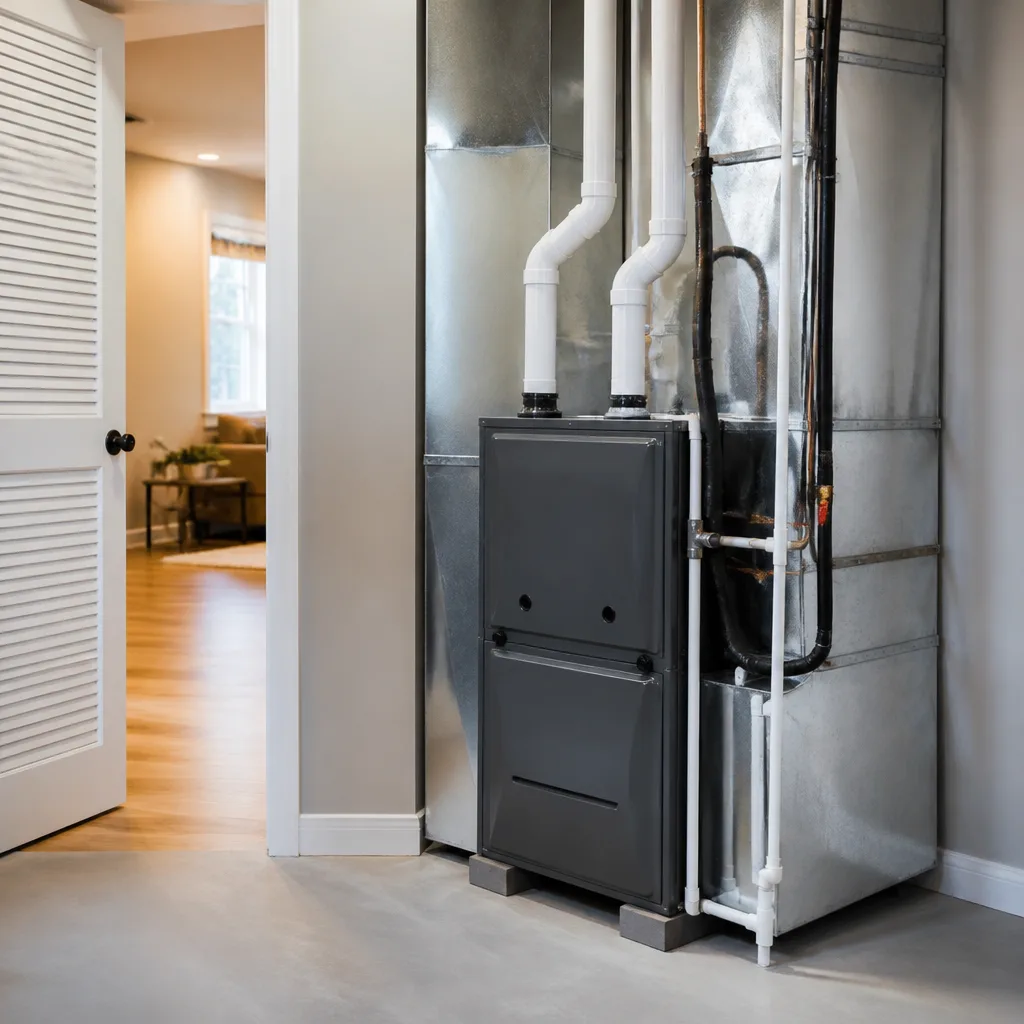 Furnace & heating
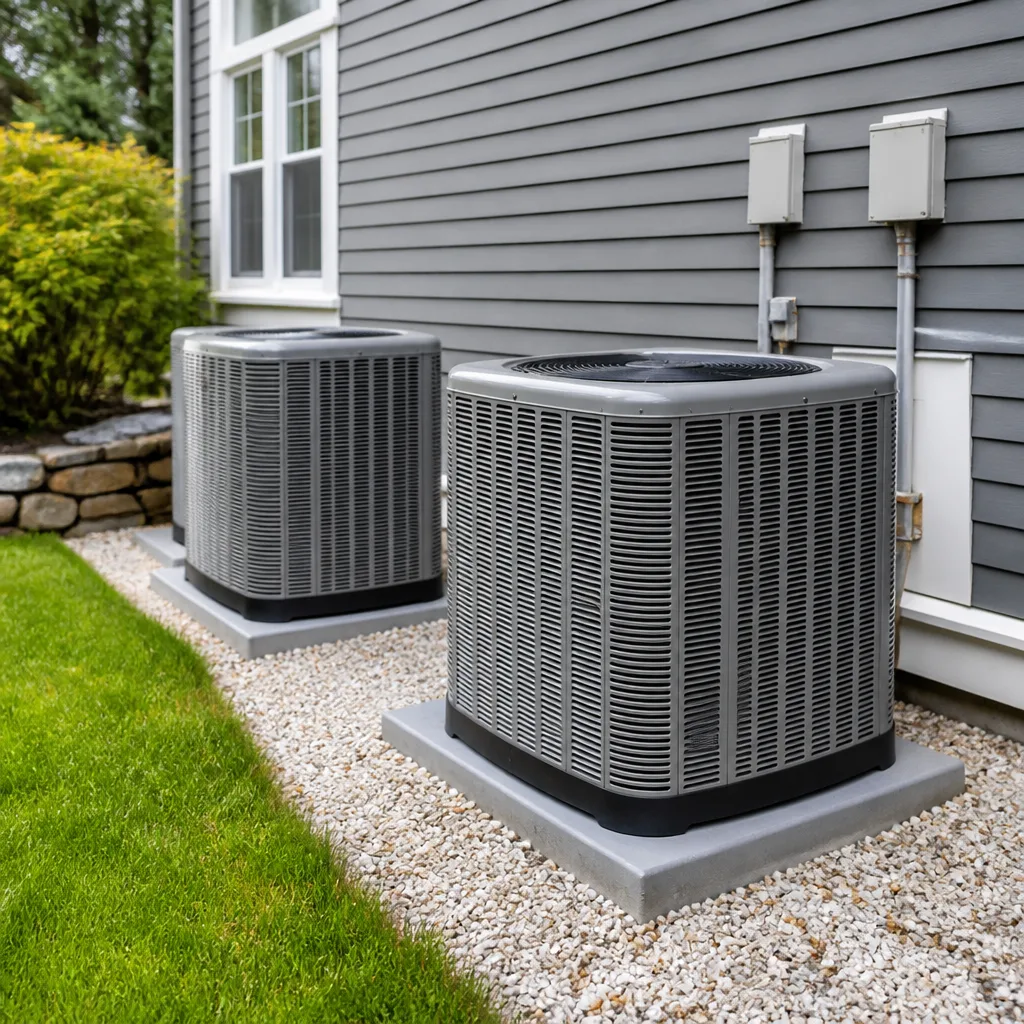 Heat pumps
 Carrier
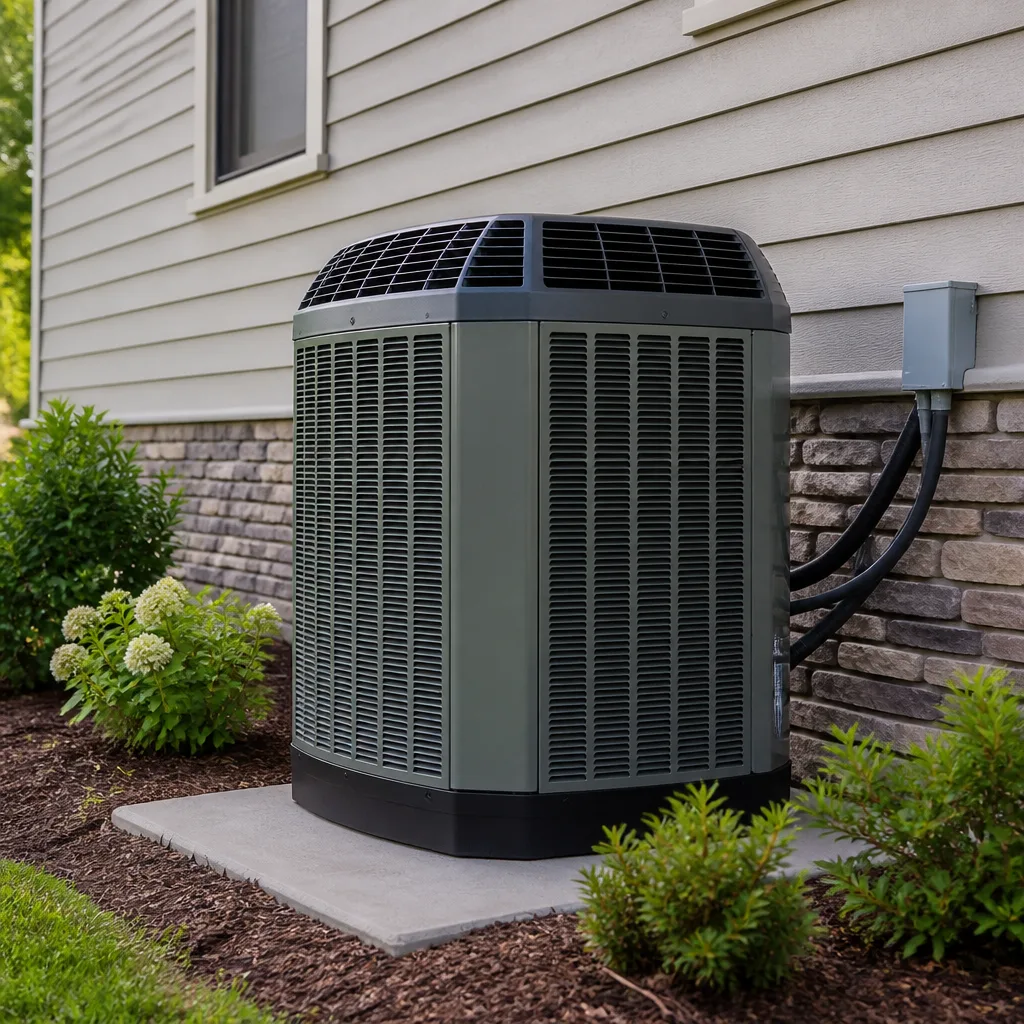 Trane
Trane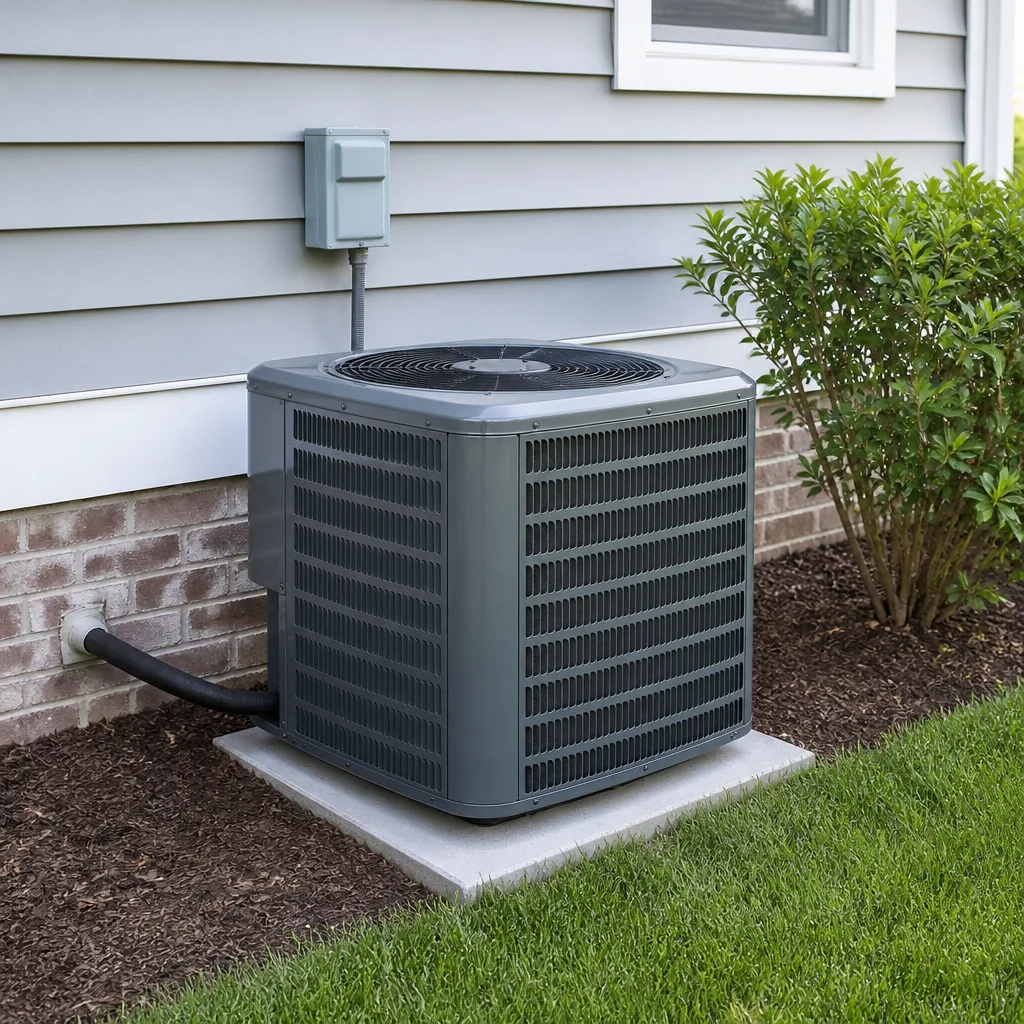 Goodman
Seasonal tune-up and full diagnostic on your Carrier, Trane, or Goodman system - readings shown to you before any repair is proposed
Diagnosis first, numbers second - you approve the repair price before a single part goes in.
Get your free estimateAC Repair Maintenance Checklist for Atlanta Homeowners
A technician can check “coil cleaned” on a work order in under 60 seconds without ever touching a coil. It happens every week in Atlanta, and most homeowners never know the difference. This guide is built to change that. We’ve organized it around what you can verify with your own eyes before a technician arrives and after they leave, not around trade jargon that sounds impressive on paper but tells you nothing about the work itself. If you live in Atlanta, where six months of humidity and heat put real strain on residential cooling systems, this checklist matters more than almost anywhere else in the country.
Styles & brands we work with
Quick Answer
An AC maintenance checklist for Atlanta homeowners should include clearing and photographing the area around your outdoor unit before the visit, verifying coil cleaning and condensate drain flushing with visible evidence, checking refrigerant readings against manufacturer specifications rather than guesses, cross-referencing the work order against Georgia minimum HVAC service standards, and running a 20-minute temperature differential test after the technician leaves. Done right, maintenance should cost $120 to $250 in Atlanta and take 60 to 90 minutes for a single system. If it takes 20 minutes and you can’t see any difference, you didn’t get what you paid for.
Table of Contents
- Before the Visit: What to Clear, Document, and Photograph
- Atlanta Humidity: Why Coil Cleaning and Drain Flushing Are Non-Negotiable
- Refrigerant Readings: The One Number That Proves It Was Actually Checked
- How to Cross-Reference the Work Order Against Georgia Standards
- The 20-Minute Temperature Differential Test
- A Month-by-Month Maintenance Rhythm for Atlanta Homes
- What AC Maintenance Should Cost in Atlanta
- Common Mistakes to Avoid
- When to Call a Professional
- Frequently Asked Questions
- The Bottom Line
Before the Visit: What to Clear, Document, and Photograph
Most AC maintenance checklists start with what the technician should do. Ours starts with what you should do before they even arrive. The reason is simple: the condition of your system before the visit is your baseline. Without a baseline, you can’t tell what changed. And in Atlanta, where red clay dust, pine needles, and kudzu vines accumulate around condenser units faster than almost anywhere, the pre-visit condition of your outdoor unit tells you a lot about whether the technician actually cleaned it.
Here’s the before-the-visit routine we recommend to every Atlanta homeowner:
- Photograph the outdoor unit from all four sides. Get close enough that you can see the coil fins. If they’re matted with gray fuzz, cottonwood seeds, or pine straw, that’s your baseline. After the visit, those same photos should look different. If they don’t, the coil probably wasn’t cleaned, regardless of what the work order says.
- Photograph the area around the unit. If there are weeds, vines, or debris within two feet of the condenser, document it. A proper maintenance visit includes clearing this space. In Atlanta, kudzu can grow a foot a week in July, so don’t assume last month’s clean area is still clear.
- Clear a path to the indoor unit. The air handler is usually in an attic, closet, or crawlspace. The technician needs roughly three feet of clear space in front of it. Move boxes, holiday decorations, or anything else in the way. You’re paying for maintenance time. Don’t pay for someone to move your stuff.
- Write down any symptoms you’ve noticed. Weird sounds on startup. Rooms that never get cool enough. A musty smell when the system runs. Higher-than-normal electric bills. Specific complaints lead to targeted checks. “It’s not cooling right” gets a shrug. “The bedroom over the garage stays six degrees warmer than the rest of the house” gets investigated.
- Check your filter size before the visit. The filter size is printed on the edge of the existing filter. Write it down. If the technician says they replaced a 16x25x1 but your unit takes a 20x25x1, you’ve caught a problem before it becomes one. This happens more often than you’d think.
- Know where your condensate drain exits the house. In Atlanta, most drains exit near the outdoor unit or in a utility room floor drain. Find it before the visit so you can check it after. A flushed drain should show clean water flow or evidence of recent flow.
None of this takes more than 15 minutes. But it converts a maintenance visit from something you passively receive into something you actively verify. And in our experience with AC maintenance in Atlanta, homeowners who do this get measurably better outcomes because technicians know they’re being checked against a real baseline.
Atlanta Humidity: Why Coil Cleaning and Drain Flushing Are Non-Negotiable
Atlanta’s climate is the defining variable in any maintenance conversation. The city gets 50 inches of rain a year and sits in a humid subtropical zone. That means your evaporator coil, the indoor component that absorbs heat from your air, is constantly wet during cooling season. A wet coil in a dark, cool air handler is a breeding ground. Within weeks of neglecting maintenance, that coil develops a biofilm of dust, mold, and microbial growth that does two things: it insulates the coil so heat transfer drops, and it feeds a clog-prone condensate drain.
Here’s what a properly cleaned evaporator coil looks like after maintenance work, and what it looks like when someone just sprayed it with cleaner and called it done:
- Properly cleaned: The coil fins are visible as distinct, evenly spaced metal ridges. The aluminum surface reflects light. There is no visible fuzz, slime, or dark staining between the fins. You may smell a faint, clean chemical odor from the coil cleaner if the visit was recent, but it should dissipate within a few hours.
- Fake cleaned: The coil still looks gray or brown, especially deep between the fins. You may see a clean stripe where someone sprayed cleaner from the front while the back half is untouched. The telltale sign in Atlanta is a musty smell that returns within days, because the biofilm was never removed, just wet down.
The condensate drain deserves equal scrutiny. In Atlanta humidity, a typical system produces 5 to 20 gallons of condensate per day. That water has to go somewhere. If the drain clogs, the water backs up. Best case, a float switch shuts the system down and you lose cooling. Worst case, the drain pan overflows and you’re replacing drywall, flooring, or insulation. We’ve seen a single clogged drain in a Buckhead condo cause $4,000 in water damage before anyone noticed.
After a maintenance visit, check the drain exit you located before the technician arrived. It should be damp or show signs of recent water flow. If you can, pour a cup of water into the drain pan and watch it come out the other end. A clear drain moves water quickly. A partially clogged drain backs up. This is a 60-second test that confirms one of the most important maintenance tasks was actually done.
For Atlanta homeowners, coil cleaning and drain flushing are not optional add-ons. They are the core of what you’re paying for. If a maintenance visit doesn’t include both, you didn’t get maintenance. You got a visual inspection. For more on what a real maintenance visit covers, see our AC maintenance guide for Atlanta homeowners.
Refrigerant Readings: The One Number That Proves It Was Actually Checked
Refrigerant is the lifeblood of your AC system. It’s the fluid that absorbs heat inside your home and releases it outside. When the charge is correct, the system runs efficiently and cools evenly. When it’s low, the system runs longer, struggles to hit your thermostat setting, and eventually tears itself apart through compressor overheating. In Atlanta’s summer, a slightly low charge can add $40 to $80 to your monthly electric bill before you ever notice a comfort difference.
Here’s the problem: refrigerant checks take time, and pressure readings are abstract enough that most homeowners can’t tell a real reading from a fake one. A technician can put a gauge on the unit, write down two numbers, and call it a day without ever measuring the one number that actually matters.
That number is subcooling for fixed-orifice systems, or superheat for TXV systems. Without getting deep into refrigeration theory, these measurements tell you whether the refrigerant charge is correct for the specific conditions of your system. A technician who writes both subcooling and superheat on the work order, with actual numbers and the outdoor temperature at the time of measurement, is doing real work. A technician who writes only “pressures checked” or “charge OK” without specific numbers is guessing.
On a properly functioning R-410A system, which covers most residential units in Atlanta installed after 2010, here’s what typical readings look like on a 90-degree day:
- Suction pressure: 110 to 130 psi
- Liquid line pressure: 320 to 400 psi
- Subcooling: 8 to 12 degrees Fahrenheit
- Superheat: 10 to 15 degrees Fahrenheit at the evaporator
If your system runs R-22, which is increasingly rare but still present in older Atlanta homes, those numbers are different. A good technician will note which refrigerant your system uses on the work order. If the work order doesn’t mention refrigerant type or charging method, that’s a red flag.
Brand names matter here too. York, Bryant, and American Standard systems all have manufacturer-specific charging charts that differ slightly from one another. A technician working on a York unit should be using York’s specifications, not generic numbers. We service all three brands regularly, and the manufacturers are clear: proper charging requires weighing the refrigerant or calculating subcooling and superheat. Anyone who adds refrigerant based on pressure alone is doing it wrong.
If your system needed refrigerant added, the work order should state how much was added, in pounds and ounces, and what the final readings were. “Topped off refrigerant” without quantities and readings is not a service record. It’s a sentence. And in our experience, a system that needs refrigerant has a leak somewhere. Refrigerant doesn’t get used up. It escapes. If a technician adds refrigerant without finding the leak, you’ll be back in the same spot next summer, paying for another recharge. For a deeper look at how refrigerant issues present, see our AC repair guide for Atlanta.
How to Cross-Reference the Work Order Against Georgia Standards
Georgia doesn’t require a specific maintenance checklist for residential HVAC work, but the state does license HVAC contractors through the Georgia Secretary of State’s office, and the International Mechanical Code and International Residential Code set the baseline for what a properly maintained system should look like. You don’t need to read the code books. You just need to know whether the work order you received reflects real work.
Here’s what a legitimate maintenance work order from any reputable company in Atlanta should include, line by line:
- System identification. Make, model, serial number, approximate age, and refrigerant type. If the company doesn’t know what they worked on, they didn’t work on it properly.
- Filter status. Size, MERV rating if applicable, and whether it was replaced or cleaned. In Atlanta’s pollen-heavy spring, filters clog fast. A maintenance visit that doesn’t at least check the filter is incomplete.
- Coil condition and cleaning method. “Evaporator coil cleaned” is not enough. It should say how: compressed air, chemical cleaner, or removed for deep cleaning. Each method produces different visible results.
- Condensate drain treatment. Flushed, treated with algaecide, and verified for flow. This should be a specific line item, not bundled under “checked system.”
- Electrical measurements. Capacitor readings in microfarads (µF), contactor condition, amp draws on the compressor and fan motors, and voltage readings. A capacitor that reads below 90% of its rated microfarads is failing and should be flagged. A technician who doesn’t measure capacitance isn’t checking the electrical health of your system at all.
- Refrigerant readings. Type, pressures, subcooling, superheat, and outdoor temperature at time of measurement. Specific numbers, not “OK” or “normal.”
- Temperature differential. The temperature drop across the coil, usually 15 to 20 degrees Fahrenheit on a properly functioning system. This is the single most important comfort number on the page.
- Recommendations. Any issues found, ranked by urgency, with specific repair options and prices. “Recommend system replacement” without any explanation is a sales pitch, not a diagnosis.
If your work order has fewer than five of these items, you received a diluted service. That doesn’t mean the technician did nothing. It means you can’t verify what they did. And in a city the size of Atlanta, where there are hundreds of HVAC companies competing for your business, you have every right to expect a work order that reads like a medical chart, not a hall pass.
One more Atlanta-specific note: the city’s older homes, particularly in neighborhoods like Virginia-Highland, Decatur, and East Atlanta, often have mismatched systems where an old indoor coil is paired with a newer outdoor unit or vice versa. These mismatch situations are common and rarely disclosed. If your work order notes a mismatch, that’s a sign the technician was paying attention. If the work order is silent on it, ask. A mismatched system will never hit its rated efficiency and may be costing you real money every month.
The 20-Minute Temperature Differential Test
This is the single most useful thing in this guide. It’s the test we teach every homeowner to run after any AC repair or maintenance visit in Atlanta. It takes 20 minutes, requires nothing but two thermometers, and it tells you definitively whether your system is moving heat out of your home at the rate it should.
Here’s how it works. After the technician leaves, set your thermostat to 75 degrees and let the system run for 15 minutes to stabilize. Then measure two temperatures:
- Return air temperature. This is the air being pulled into the system. Measure it at the return vent, the one with the filter behind it. Put a thermometer on the vent for five minutes and record the number.
- Supply air temperature. This is the air coming out of the system. Measure it at the supply vent closest to the indoor unit, same method, same five minutes.
Subtract the supply temperature from the return temperature. The result is your temperature differential, often called “Delta T” on work orders.
On a properly functioning system in Atlanta’s summer conditions, the differential should be 15 to 20 degrees Fahrenheit. If your return air is 78 degrees and your supply air is 59 degrees, that’s a 19-degree differential. Your system is doing its job.
Here’s what other results mean:
- Differential below 15 degrees: The system is underperforming. Common causes are low refrigerant, a dirty coil, a failing compressor, or duct leakage. If a maintenance visit was just completed and the differential is still below 15, the job wasn’t finished. Call back and reference your measurement. You have data now, not a feeling.
- Differential above 22 degrees: The system is moving too much heat or the airflow is restricted. Low airflow from a dirty filter, closed vents, or undersized ductwork can make the differential look great while the system actually cools less total air. This is why filter checks matter.
- Differential that changes over time: Run the test for 20 minutes, not once. If the differential starts at 18 and slowly drops to 12, something is degrading under load, often a weak compressor or a refrigerant restriction. This pattern is a red flag that a one-time reading would miss.
- $80 to $120: A basic check. Filter, visual inspection, maybe a coil rinse. This is the “safety check” tier. It catches obvious problems but doesn’t prevent them. You’ll get a work order with a few items checked off and a recommendation for further service.
- $120 to $200: Standard maintenance. This is where real work happens. Coil cleaning, condenser flushing, capacitor testing, amp draw measurements, temperature differential, and refrigerant readings if the technician is thorough. Most Atlanta homeowners should aim for this tier.
- $200 to $300: Premium maintenance. Deep coil cleaning with removal in some cases, full electrical testing, duct inspection, and a report with photos. Beneficial for older systems, systems in dusty environments, or systems that haven’t been maintained in years.
- Not photographing the outdoor unit before the visit. Without a baseline, you can’t verify coil cleaning. In Atlanta’s dusty, pollen-heavy environment, this is the difference between a real cleaning and a quick rinse that accomplishes nothing.
- Accepting “charge checked” on a work order. Refrigerant checks require specific numbers. If the technician didn’t record subcooling, superheat, and outdoor temperature, you have no evidence the refrigerant was actually measured. An Atlanta system running low on refrigerant through a full summer costs hundreds in wasted electricity.
- Skipping spring maintenance because the system “worked fine last year.” AC systems degrade gradually. By the time you feel a problem, the problem is expensive. Spring maintenance in Atlanta is insurance against a July breakdown, when you’ll wait a week for a technician in a heat wave.
- Ignoring the condensate drain. In Atlanta’s humidity, a clogged drain can cause water damage that costs more than the AC repair itself. The drain is a five-minute check. The water damage is a five-day restoration.
- Not running the temperature differential test after maintenance. You paid for service. Verify it. A 20-minute test tells you whether the system actually improved. If it didn’t, you have specific data to bring to the company, not a vague complaint.
- Replacing the system before checking the basics. Many Atlanta homeowners have been told they need a new system when what they actually need is a capacitor, a contactor, or a coil cleaning. Get a second opinion if the recommendation is replacement and your system is under 10 years old.
- Hiring on price alone. The lowest bid in Atlanta is often the lowest because it skips steps. You don’t need the most expensive company, but you do need a company that documents its work. Ask for a sample work order before you book.
Do this test twice a year. Once in spring, after your maintenance visit. Once in late summer, when the system is working hardest. Atlanta’s cooling season runs from April through October in practical terms, and a system that passes in April can fail in August. The differential test catches decline before it becomes a breakdown.
If your system can’t maintain a 15-degree differential after maintenance, you have a repair issue, not a maintenance issue. That’s where AC repair in Atlanta comes in, and the sooner you address it, the less it costs.
A Month-by-Month Maintenance Rhythm for Atlanta Homes
Atlanta’s climate doesn’t follow the national average. Our cooling season is long, our spring is short, and our fall is mild enough that the AC runs intermittently through November. Here’s a month-by-month rhythm that matches the actual weather in Atlanta, not a generic seasonal guide written for Ohio:
March: Pre-Season Preparation
This is the month for your annual AC maintenance visit. Temperatures are mild, HVAC companies have capacity, and you’ll catch problems before the first 90-degree day. In Atlanta, the first real heat wave usually hits in May. If you wait until then, you’re scheduling against everyone else in the metro area.
What to do: Schedule maintenance. Replace the filter. Clear debris from around the outdoor unit that accumulated over winter. Check your condensate drain for flow.
April through May: Pollen Season
Atlanta’s pollen counts hit their peak in April. The yellow dust that coats your car also coats your outdoor coil, especially if the unit runs regularly. A coil loaded with pollen transfers heat poorly, and pollen mixed with humidity creates a paste that hardens into a crust.
What to do: Check the outdoor unit weekly. If the coil looks yellow or coated, rinse it with a garden hose on low pressure. Keep the area around the unit clear. Change the indoor filter monthly during peak pollen, because the same pollen is moving through your system.
June through August: Peak Cooling Season
This is when neglect shows up. Systems that ran fine in April start failing in July because they’re working twice as hard. The differential test matters most now. If your system can’t maintain the right numbers in August, it’s not going to get better in September.
What to do: Run the 20-minute differential test monthly. Listen for new sounds. Check the condensate drain line every two weeks. Atlanta’s summer thunderstorms dump moisture into the air, and your system is producing maximum condensate. Even a partially restricted drain will back up.
September through October: Transition Months
Cooling demand drops, but the system still runs. This is a good window for any repairs you deferred during the summer, when you didn’t want to be without AC. HVAC companies in Atlanta are less busy, and you may have more scheduling flexibility for repairs. If your system struggled through summer, address it now before next spring.
What to do: Schedule deferred repairs. Clean the outdoor unit thoroughly. Check for rust or damage. If you noticed high electric bills over summer, the system may have been running with low refrigerant. Have it checked before the cold weather arrives.
November through February: Off Season That Isn’t
Atlanta winters are short but real. Temperatures drop below freezing regularly, and your system may include a heat pump or gas furnace that works through the winter. If you have a heat pump, the outdoor unit runs all year, and it needs occasional attention even in January. For furnace-specific maintenance, see our furnace repair guide for Atlanta.
What to do: Keep leaves off the outdoor unit. Check the filter monthly. Run the system for 10 minutes once a month even in mild weather to keep seals lubricated and components exercised. If your thermostat switches to heat, verify it switches back when the weather warms.
What AC Maintenance Should Cost in Atlanta
AC maintenance in the Atlanta metro area typically runs $120 to $250 for a single system, depending on the system type, accessibility, and what’s included. Memberships and annual plans often bring the per-visit cost down, but they also commit you to a company, so they’re only a good deal if the company does real maintenance.
Here’s a breakdown of what you’re paying for at different price points in Atlanta:
Plumbing and HVAC companies in Atlanta compete mostly on speed and price. The company that charges $79 for a “21-point tune-up” is probably not doing 21 points of anything. The company that charges $189 and spends 90 minutes on your system is doing actual work. The difference shows up in August, when your system either keeps running or doesn’t.
At Brandt HVAC Co Atlanta, every maintenance visit includes a written price before work starts, and every repair includes a written guarantee. That’s the standard we set for ourselves, and it’s the standard you should expect from any company you hire in Atlanta.
Common Mistakes to Avoid
When to Call a Professional
Some maintenance tasks are homeowner territory: filter changes, clearing debris, running the differential test. Others require a licensed technician with the right tools and training. Call a professional if your system is making new sounds, if the differential drops below 14 degrees even after filter replacement, if you see ice on the refrigerant lines, if the condensate drain backs up repeatedly, or if the system trips its breaker more than once. Refrigerant work especially is not a DIY project. It requires EPA certification, proper gauges, and the right refrigerant for your specific system. Brandt HVAC Co Atlanta offers free estimates in Atlanta, with a written price before any work starts. Call (762) 465-4570 if something doesn’t look or sound right.
Frequently Asked Questions
Once a year at minimum, in spring before the cooling season starts. In Atlanta, where the AC runs from April through October, we recommend twice a year for systems over 10 years old or systems that run constantly. A spring tune-up catches problems before summer, and a late-summer check catches degradation before it becomes a breakdown.
At minimum, a real maintenance visit should include coil cleaning, condensate drain flushing, filter replacement or cleaning, capacitor testing with actual microfarad readings, amp draw measurements, temperature differential, and refrigerant readings with specific subcooling and superheat numbers. The work order should show all of these items with values, not checkmarks. If it doesn’t, ask for the data.
Photograph the coil before the visit. After the visit, the coil should look visibly different: metal fins should be distinct, surface should reflect light, and the gray or brown buildup should be gone. If the coil looks the same as your before photos, it wasn’t cleaned, regardless of what the work order says. In Atlanta’s humid environment, this is the most common skipped step in maintenance.
Most Atlanta homeowners pay $120 to $200 for a legitimate single-system maintenance visit. Basic safety checks run $80 to $120 and often skip important steps. Premium maintenance with deep cleaning and detailed reporting runs $200 to $300. At Brandt HVAC Co Atlanta, every maintenance visit includes a written price before work starts, and the work order shows exactly what was done.
If your system is running but not cooling, run a temperature differential test first. If the difference between return air and supply air is less than 15 degrees, common causes are low refrigerant, a dirty evaporator coil, or a failing compressor. All three require a professional diagnosis. Low refrigerant especially means there’s a leak somewhere, and adding refrigerant without finding the leak just kicks the problem down the road.
You can change filters, clear debris around the outdoor unit, pour vinegar down the condensate drain, and run temperature differential tests. You cannot legally handle refrigerant, and you should not attempt electrical work on the system. Anything involving refrigerant, capacitors, contactors, or compressor work requires a licensed Atlanta HVAC technician. The risk of injury and damage isn’t worth the money saved. We’ve seen a $20 repair become a $2,000 one because someone tried it themselves.
The Bottom Line
An AC maintenance checklist for Atlanta homeowners should be built around verification, not trust. Photograph your system before the visit. Check the coil, drain, and refrigerant readings after. Run the 20-minute temperature differential test twice a year. Cross-reference the work order against the eight items we outlined. If the documentation is thin, the work was probably thin too. Atlanta’s climate punishes neglected systems hard, and the difference between a system that lasts 12 years and one that lasts 20 is almost always maintenance quality, not brand. York, Bryant, American Standard, Daikin, it doesn’t matter. A maintained mid-tier system outperforms a neglected premium one every time. That’s the whole game in Atlanta, and now you know how to play it.
Written by Devin Marlowe, Owner at Brandt HVAC Co Atlanta, serving Atlanta since 2003.
See the difference
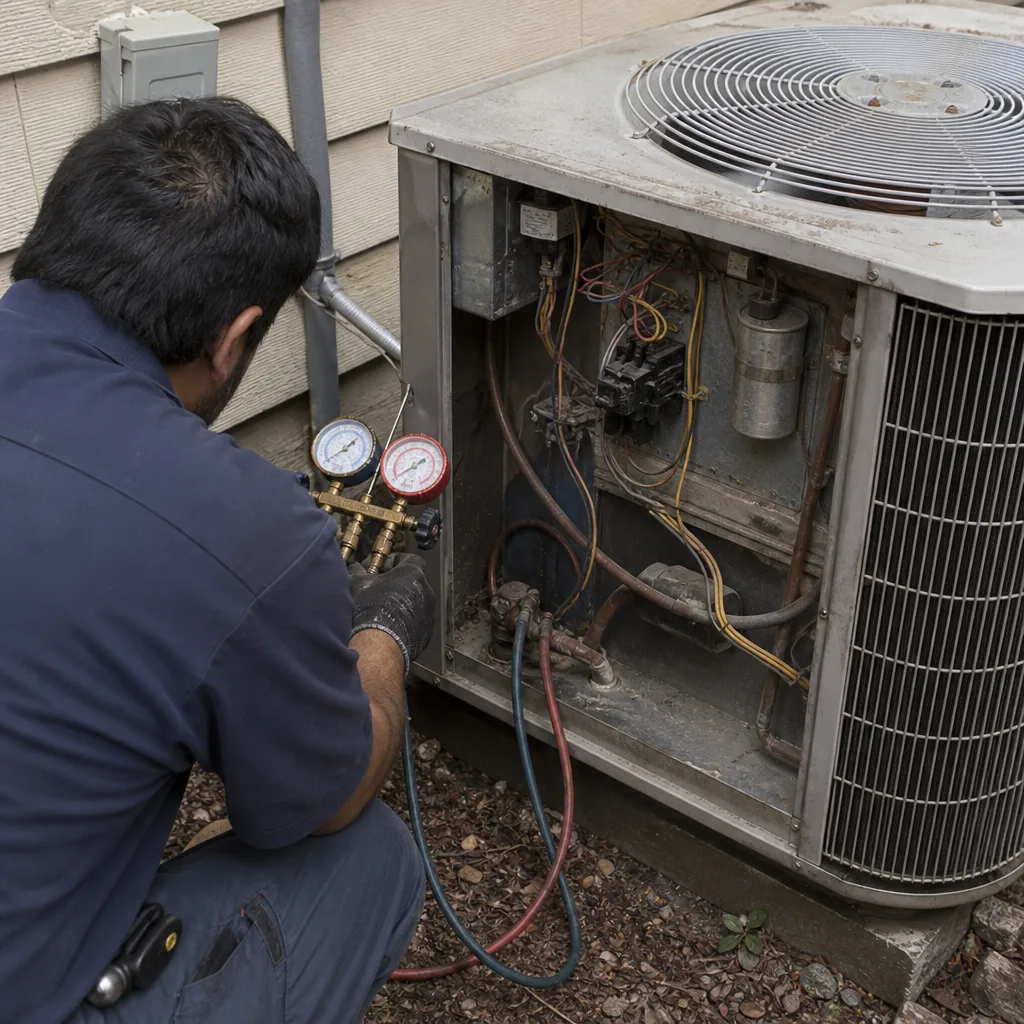 Before
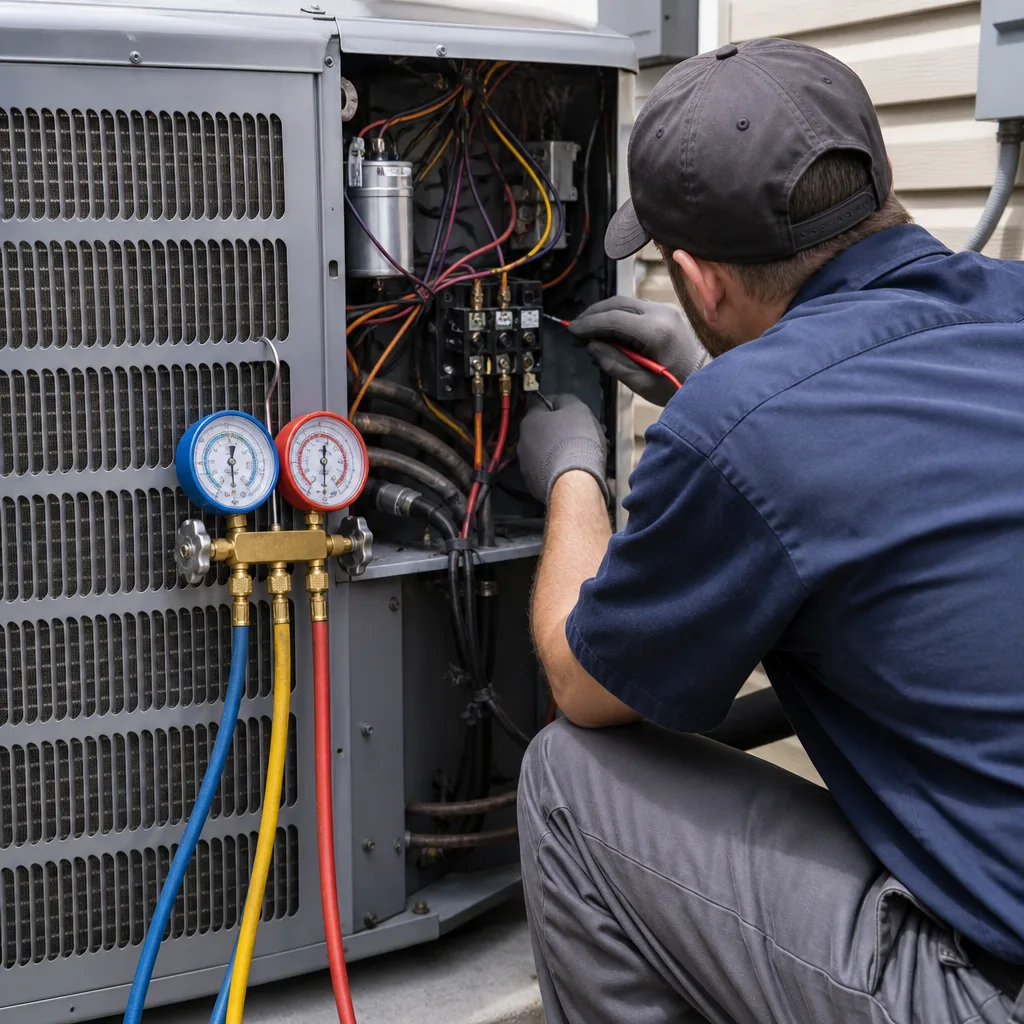 After
After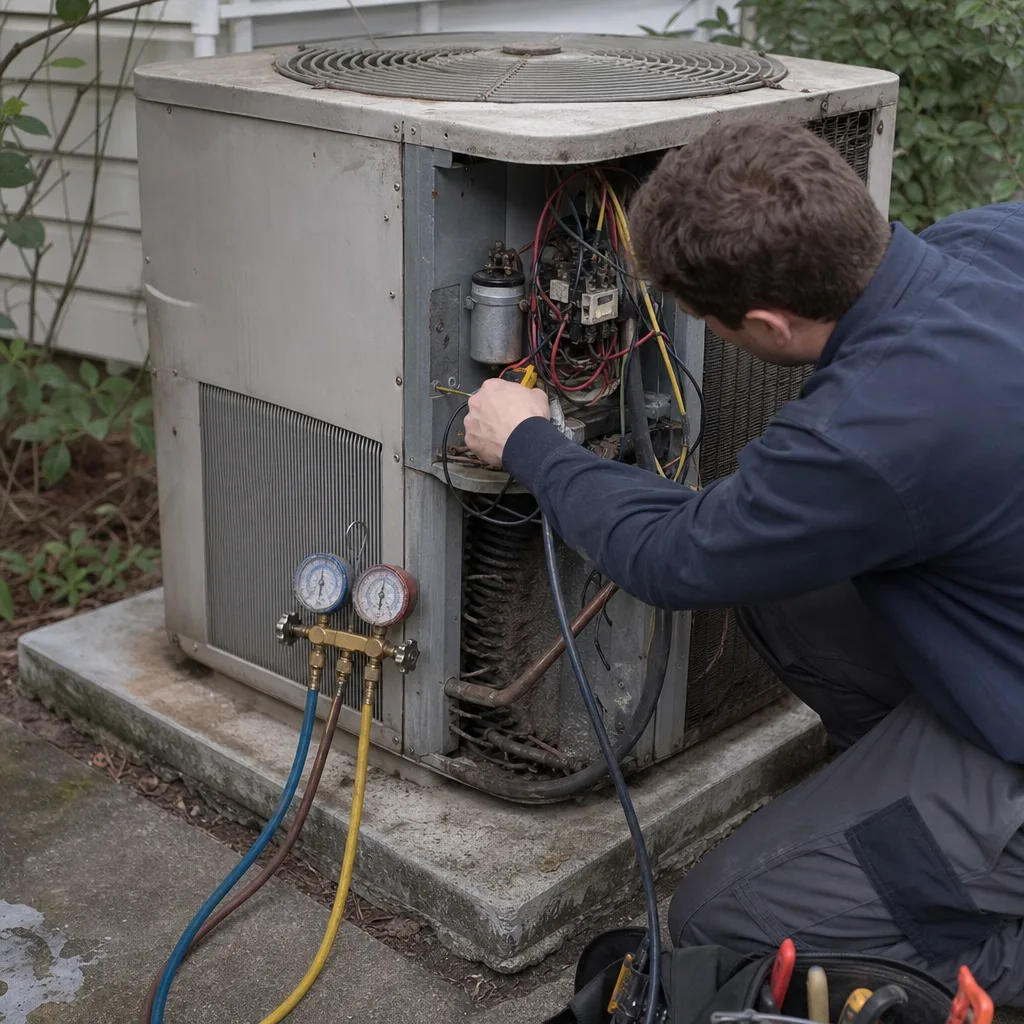 Before
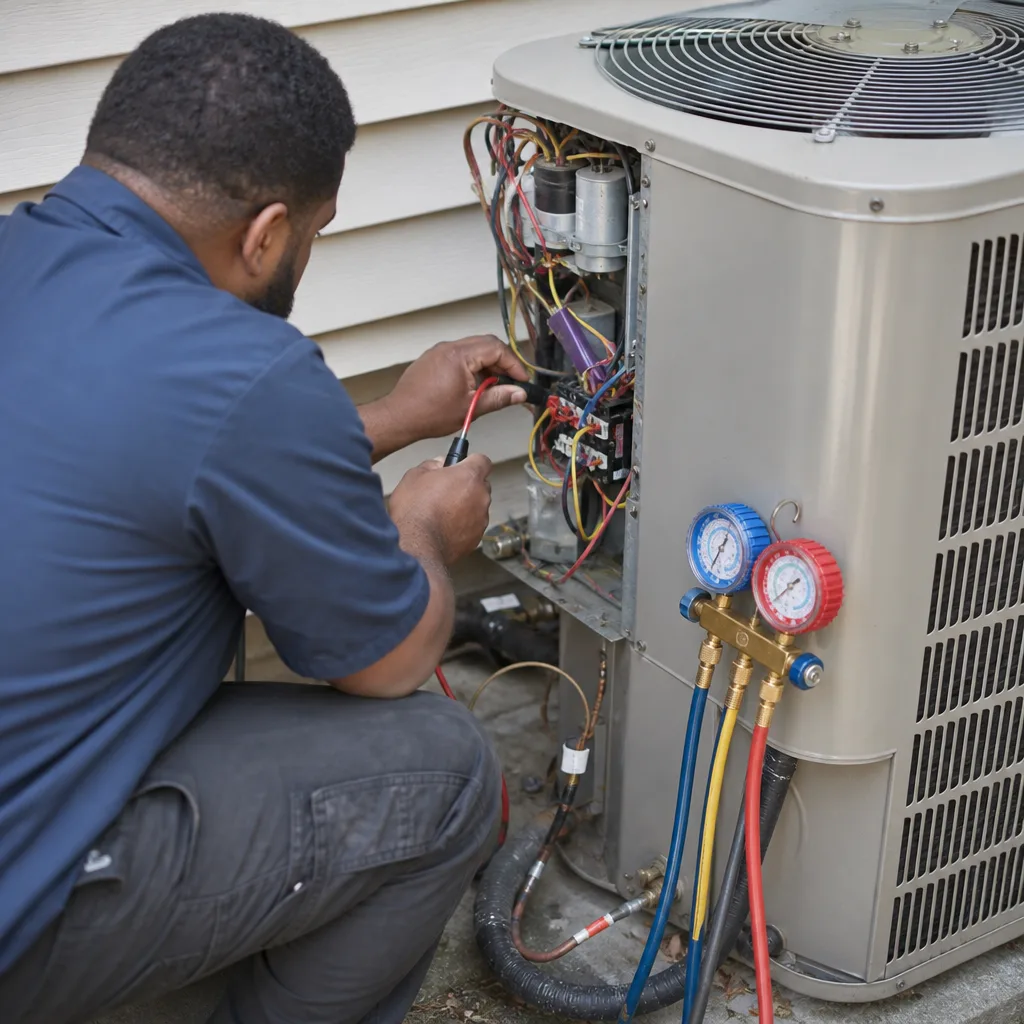 After
After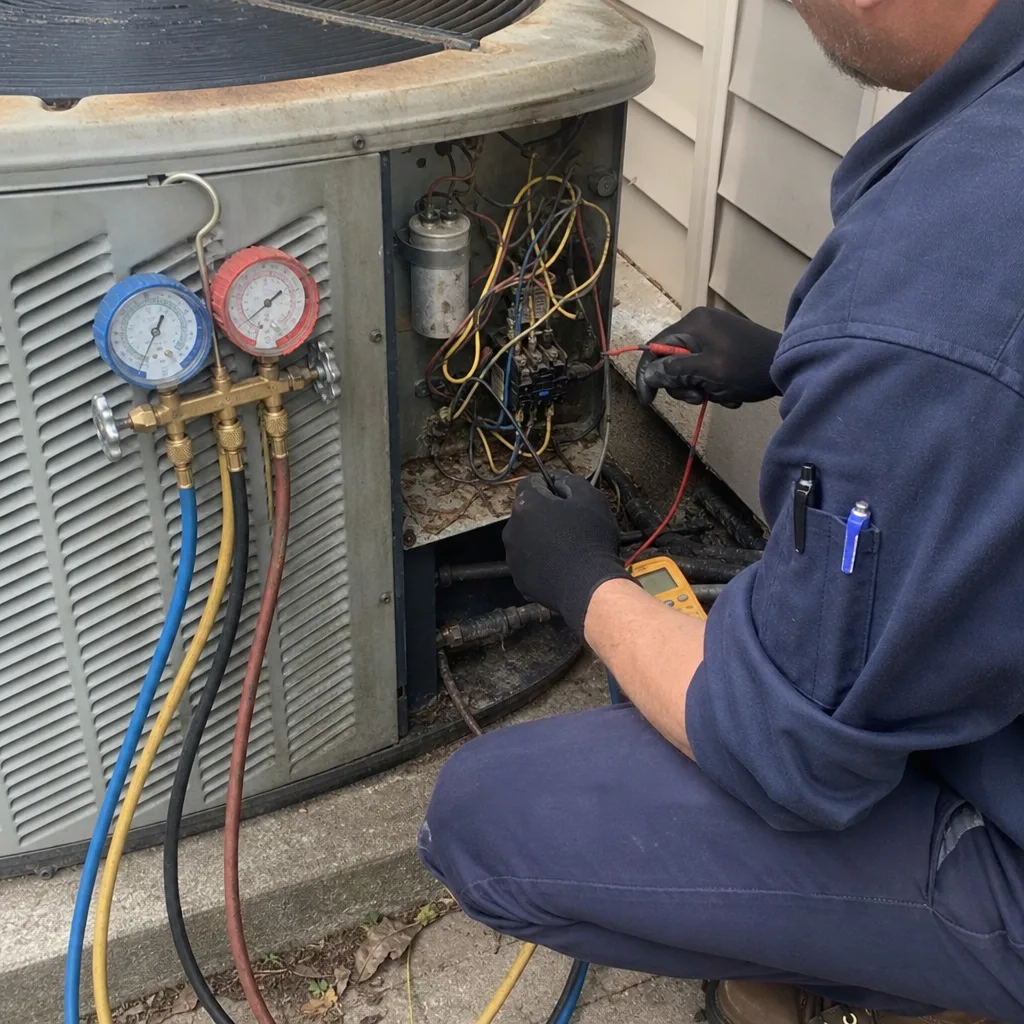 Before
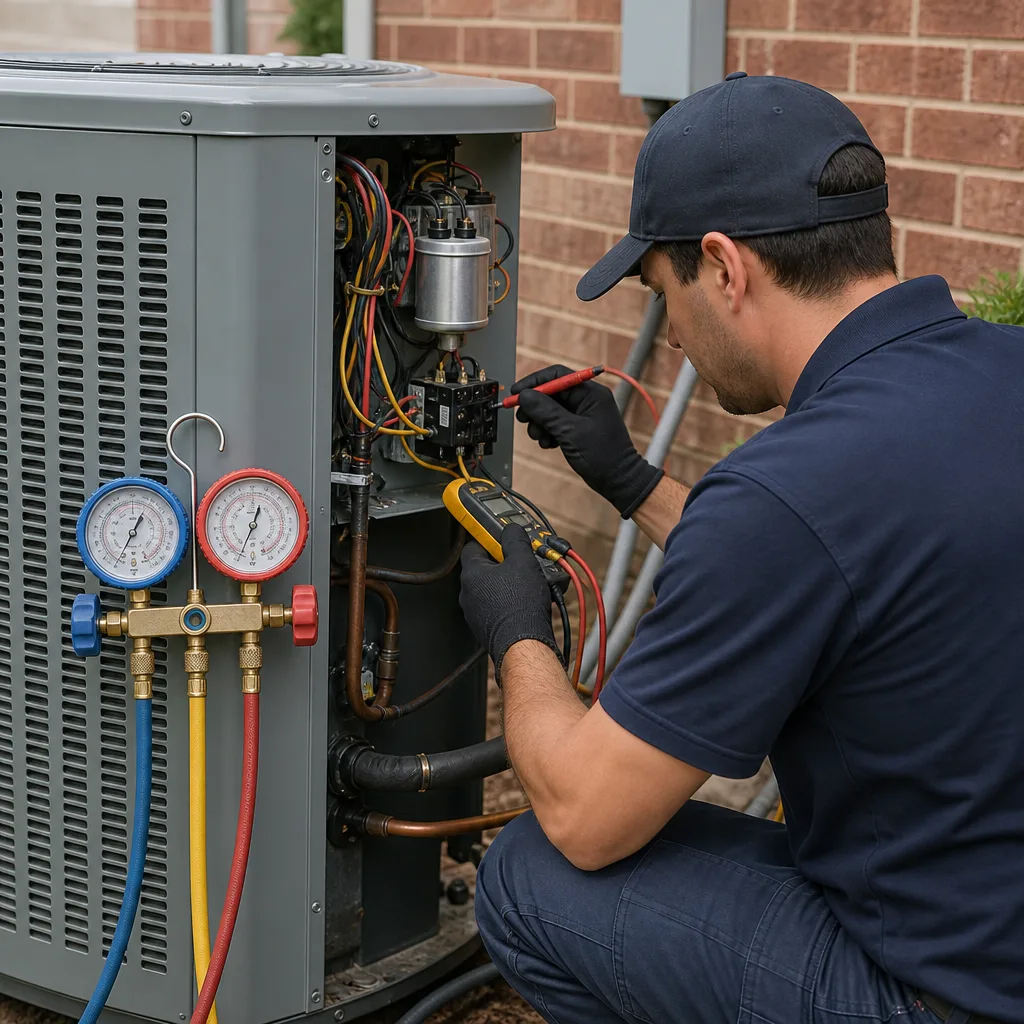 After
After