

Last updated October 16, 2026
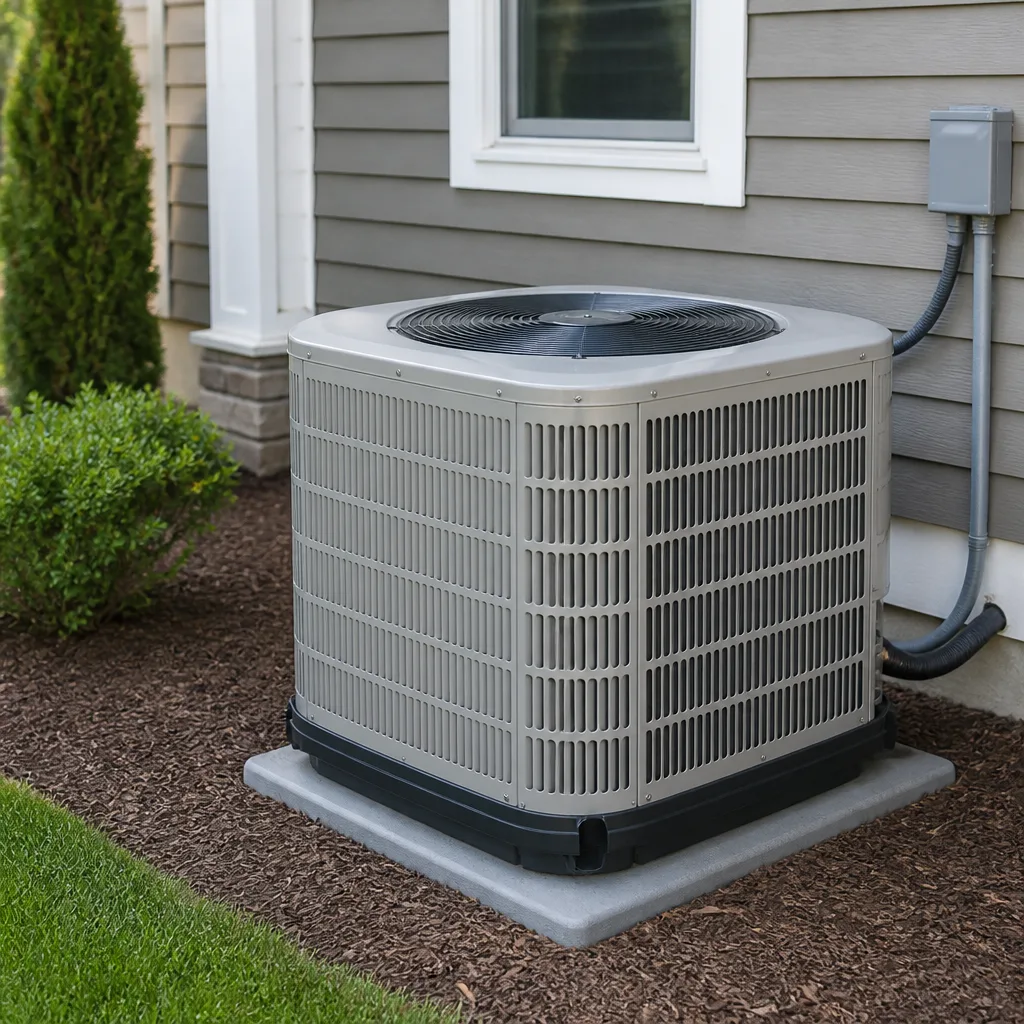 AC repair
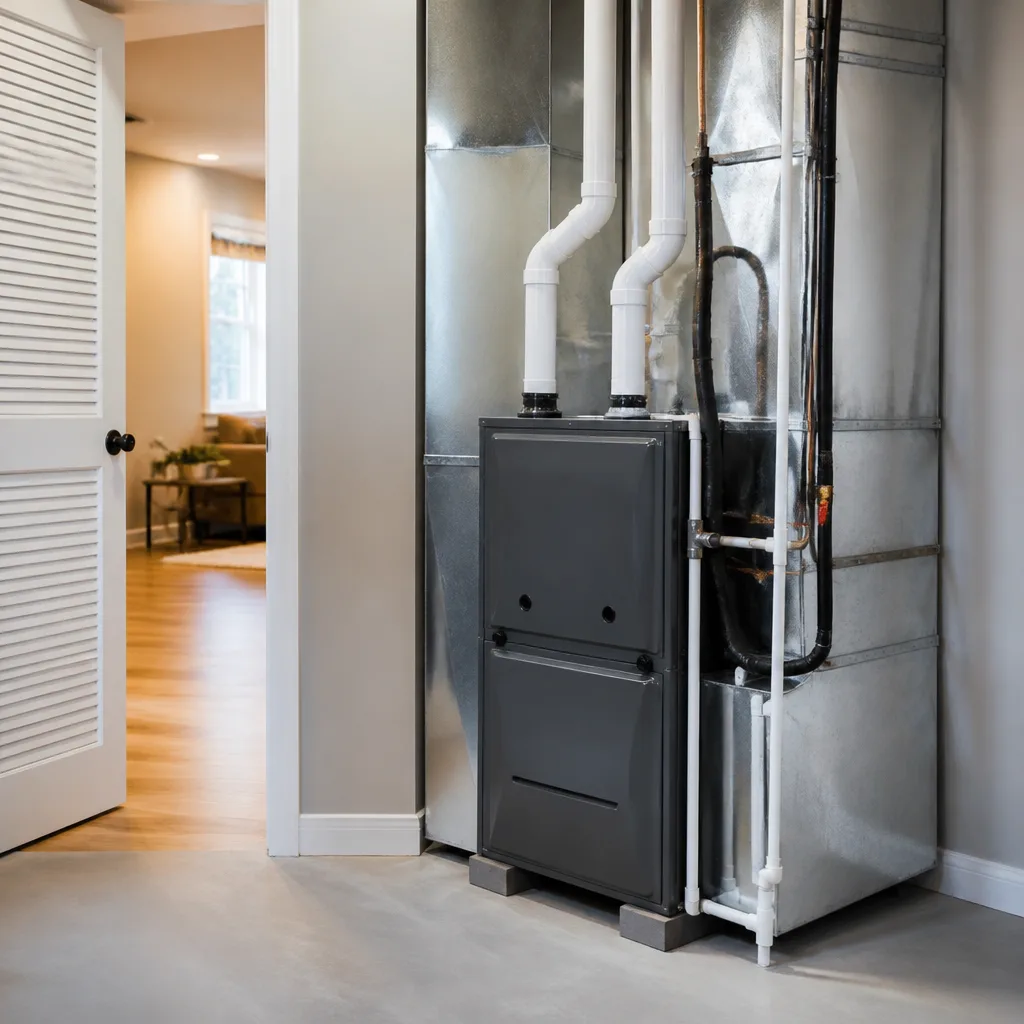 Furnace & heating
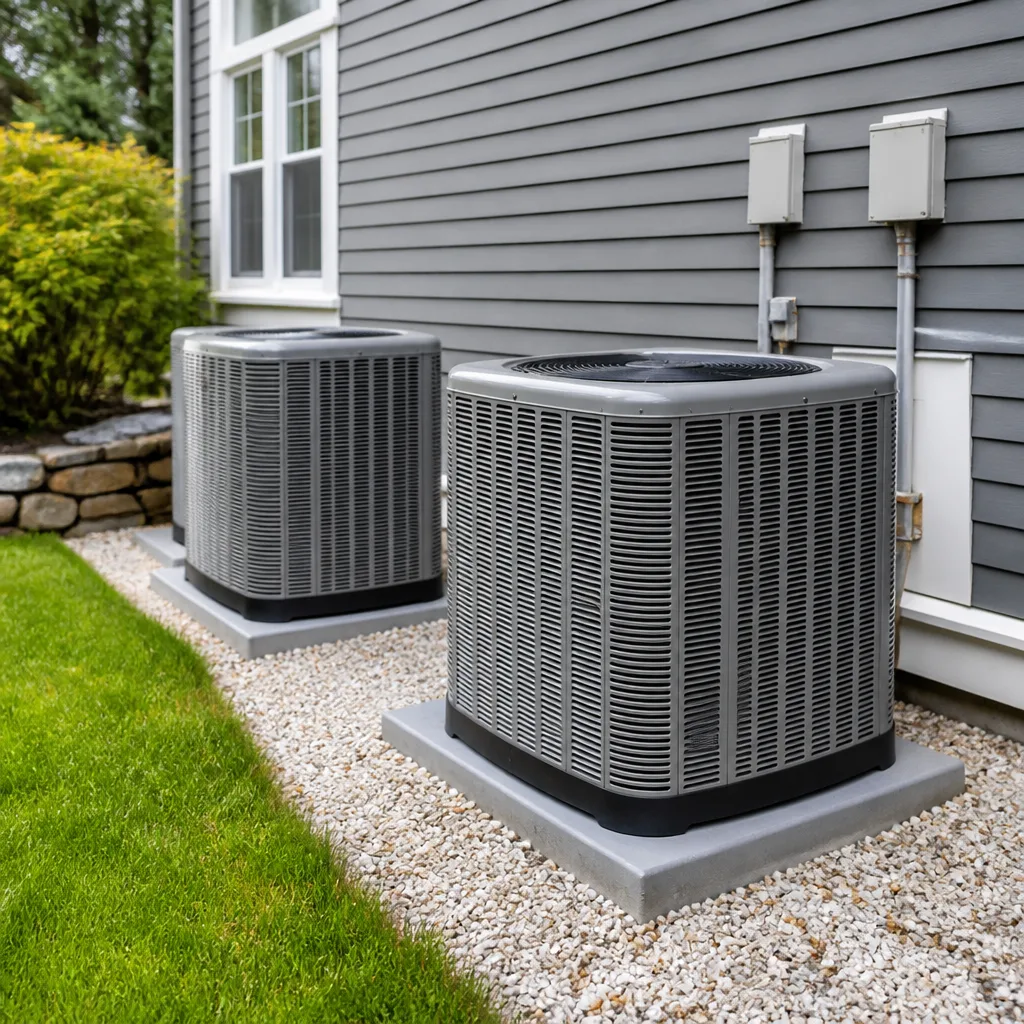 Heat pumps
 Carrier
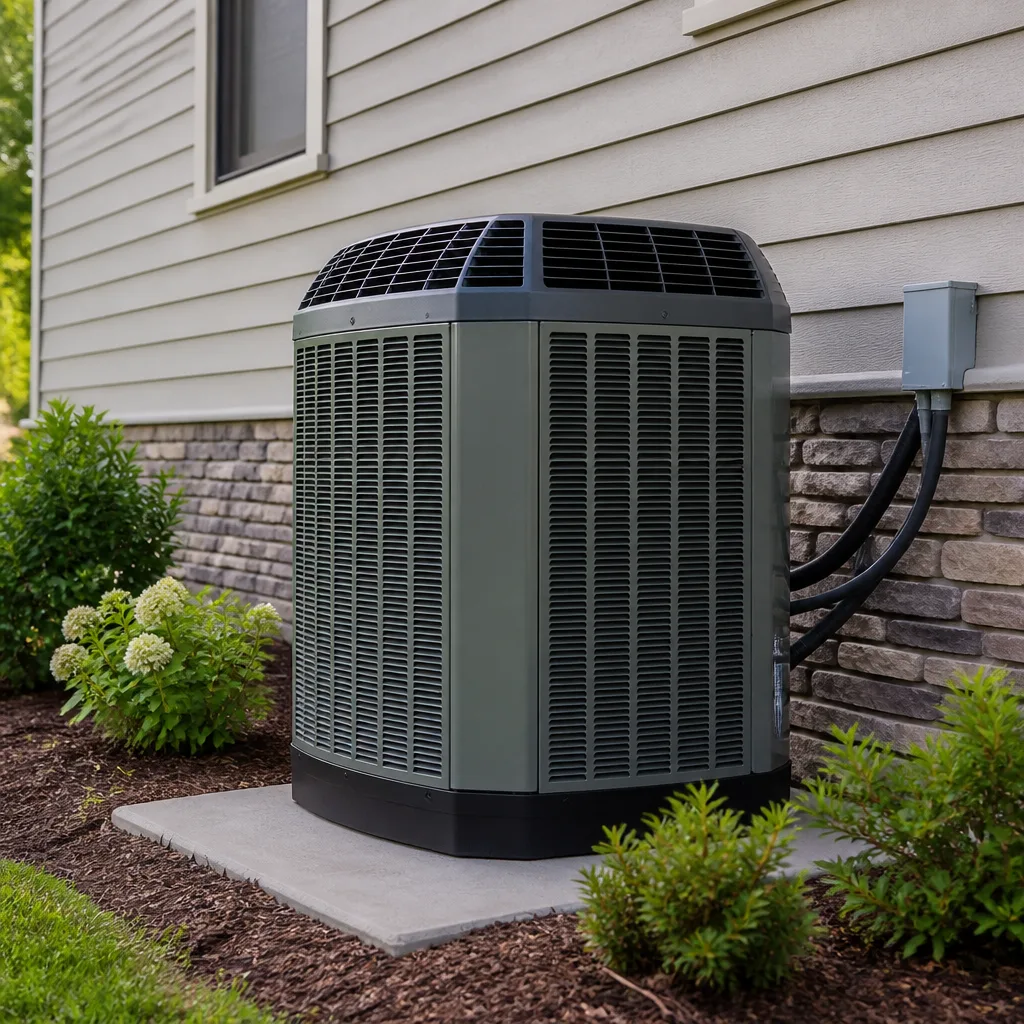 Trane
Trane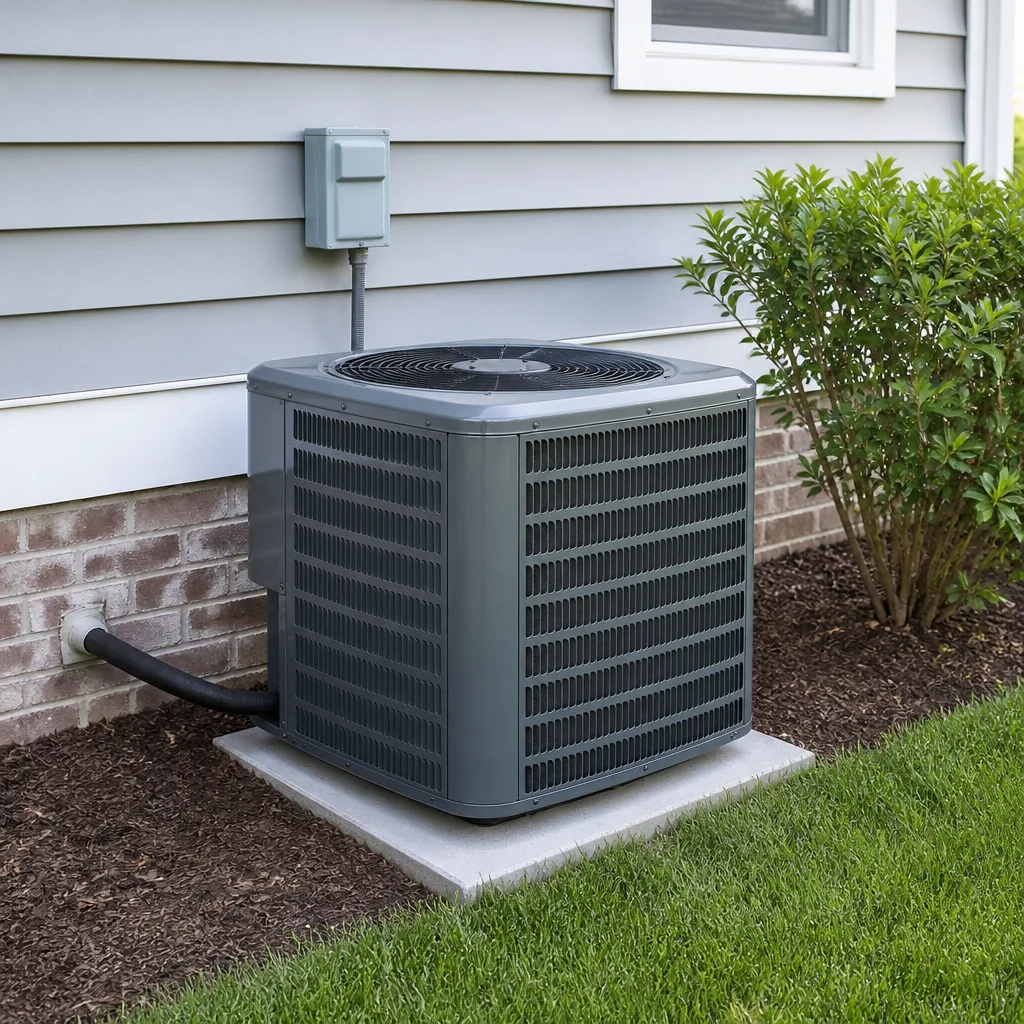 Goodman
Seasonal tune-up and full diagnostic on your Carrier, Trane, or Goodman system - readings shown to you before any repair is proposed
Diagnosis first, numbers second - you approve the repair price before a single part goes in.
Get your free estimateSeasonal HVAC Care for Atlanta: Year-Round Homeowner’s Guide
In Atlanta, your air conditioner typically runs its first 90-degree load within three weeks of the last freeze. That leaves almost no margin to catch a problem before it becomes an emergency. This guide is built around Atlanta’s actual calendar, not the generic four-season template you’ll find everywhere else. For The Complete Guide to HVAC in Atlanta and more guides & resources, visit our blog. You’ll learn which months actually matter, what to check and when, and how to keep your system from failing on the worst possible day. We’ve been doing this work in Atlanta since 2003, and we’ve seen every pattern this climate can throw at a house.
Quick Answer
Atlanta doesn’t follow a four-season HVAC rhythm. It follows a two-heavy, two-light pattern: spring and fall are your only preparation windows for the summer and winter extremes that follow. The single most important month for HVAC care in Atlanta is March, because that’s when you catch the problems that turn into July breakdowns. Most homeowners need one spring tune-up between late February and mid-April, and one fall heating check between mid-October and late November. That’s the whole framework. Everything else in this guide is the detail.
Styles & brands we work with
Table of Contents
- The Atlanta Climate Reality: Two Heavy Seasons, One Narrow Window
- The Month-by-Month Atlanta HVAC Calendar
- Why March Is the Single Most Important Month for Your System
- The Atlanta Heat Pump Risk Nobody Warns You About
- Spring Maintenance: The Complete Checklist
- Fall Tasks That Actually Matter in Atlanta
- How to Build an HVAC Maintenance Log That Adds Home Value
The Atlanta Climate Reality: Two Heavy Seasons, One Narrow Window
Atlanta sits in a humid subtropical climate zone, which sounds pleasant until you understand what it means for your equipment. Summers here are long, hot, and damp, with temperatures routinely climbing past 90 degrees from May through September. Winters are short and comparatively mild, with average January lows hovering around 34 degrees but enough overnight freezes to keep your furnace engaged. What most guides get wrong is treating Atlanta like a northern city with a clean seasonal break. Atlanta doesn’t have that. Your AC can cycle on in February, and your furnace can fire in November, sometimes in the same week.
The real pattern looks like this: your system works hard from roughly May through September, takes a lighter load from October through November, works moderately from December through February, then ramps back up hard in April. That means the only true maintenance windows are March through mid-April, and late September through November. Miss those windows and you’re asking a stressed system to carry you through the heaviest demand months without a checkup. That’s how you end up with a compressor failure on the first 95-degree Saturday in June, or a furnace that won’t fire on the rare 20-degree night in January. In our experience across AC repair in Atlanta, the systems that fail in July are almost always the ones that skipped their March service.
The Humidity Factor Most Guides Ignore
Atlanta’s humidity isn’t just uncomfortable. It changes how your AC should be sized, how often you need to check your drain lines, and how hard your system works even on moderately warm days. A 78-degree day in Atlanta with 70 percent humidity puts more load on your evaporator coil than an 85-degree day in a dry climate. Your AC is doing two jobs here: cooling the air and removing moisture. That’s why drain line clogs are one of the three most common service calls we handle in summer. When the drain backs up, the system either shuts down on a float switch or, worse, overflows into your ceiling. Regular maintenance in spring-see our AC Repair Maintenance Checklist for Atlanta Homeowners-catches this before it becomes a water damage claim.
The Month-by-Month Atlanta HVAC Calendar
The following calendar ties each month to a specific task or milestone based on Atlanta’s actual weather patterns, not generic season labels. Use it as a reference point and adapt it to your home’s age, your system’s condition, and whether anyone in the house has allergies or respiratory concerns.
- January: Run your furnace through a full heating cycle and listen for any thumps, rattles, or delayed starts. Check your filter and replace it if it’s been more than 60 days. If you haven’t run the heat much because of a mild winter, run it manually once to make sure it fires clean.
- February: Book your spring AC tune-up now, before the scheduling crunch. Most contractors can get to you within a week in February. By April, you’re waiting two weeks or more. This is also the month to inspect your outdoor condenser unit for any debris that collected over winter.
- March: This is the month that matters most. Change the filter, clean the drain line, check the capacitor, inspect the condenser coil, and test the system under cooling load. We dig into this in more detail below.
- April: Test your AC on the first genuinely warm day. Set it three degrees below room temperature and let it run for 20 minutes. Check that the air coming from the vents is 15 to 20 degrees cooler than the room. If not, call before the heat arrives.
- May: The first heavy cooling month. Keep the outdoor unit clear of grass clippings, leaves, and mulch. Replace the filter every 30 days during peak cooling season if you have pets or heavy pollen.
- June: Watch your utility bill. A sudden spike compared to the same month last year often signals a system struggling against low refrigerant or a failing capacitor. Don’t wait for the system to stop.
- July: This is the month systems fail. If yours is over 12 years old and hasn’t been serviced this year, book a check now. The heat is already here, and a proactive visit costs less than an emergency after hours.
- August: Peak humidity month. Check your condensate drain for slow drainage. Pour a cup of white vinegar down the drain line access point to help break up any algae or sludge buildup.
- September: Run your furnace once, early in the month, before you actually need it. A 15-minute test fire catches most burner, igniter, and flame sensor problems before cold weather arrives.
- October: Do the deep maintenance you skipped in spring, if applicable. Clean the outdoor unit, check the blower motor, and schedule your fall heating inspection. In Atlanta, you have more slack this month than homeowners in Minneapolis or Boston.
- November: Replace the filter (either way). If you heat with a gas furnace, verify your carbon monoxide detector is working and test your furnace under full load for one complete cycle.
- December: Inspect your ductwork in the attic and crawlspace if you haven’t looked in a while. Check for loose joints, visible gaps, or signs of rodents. Seal what you can reach. Schedule any missed maintenance before the holiday season fills your calendar.
Why March Is the Single Most Important Month for Your System
March is the month that separates Atlanta homeowners who stay cool in July from the ones calling for emergency service. Here’s why. Your AC has been sitting mostly idle since October. During those five months, the refrigerant pressure in the system equalizes, the oil in the compressor settles, and any small leak that was present at the end of last summer has had all winter to seep further. Then the first hot day hits in mid-April, and you ask that system to perform at full capacity with no warm-up period. If there’s a weakness, that’s when it shows. And by then, you’re competing with every other Atlanta homeowner for a service slot.
The one task Atlanta homeowners skip most often in March is the capacitor check. A capacitor is a small cylindrical electrical component inside your outdoor unit that provides the burst of voltage needed to start the compressor and condenser fan motor. Capacitors degrade with heat and age. When one fails in July, the system simply won’t start, or it hums and trips the breaker. Checking a capacitor takes a technician about five minutes and costs far less than the same part replaced on an emergency call in a July heat wave. But if you don’t check it in March, you won’t know it’s weak until it quits on the worst day of summer.
What a March Service Visit Should Cover
- Inspect and test the run capacitor and start capacitor (if equipped)
- Check refrigerant charge against manufacturer spec
- Clean and inspect the condenser coil for corrosion or blockages
- Pour a cleaning solution through the condensate drain and verify free flow
- Inspect electrical connections and tighten any that have loosened over winter
- Test the contactor (the switch that turns the outdoor unit on and off)
- Check the evaporator coil for dust, mold, or ice patterns from last season
- Verify the thermostat calibrates correctly and initiates cooling
- Replace the air filter
Every AC maintenance visit in Atlanta should end with a written summary of what was checked, what was found, and what the technician recommends. That’s the value of the visit beyond the work itself. Three years of those summaries give you a maintenance history that becomes evidence when you sell the home.
The Atlanta Heat Pump Risk Nobody Warns You About
Atlanta’s mild winters create a specific problem for heat pump systems that homeowners in Nashville, Birmingham, or Charlotte rarely notice either, but it’s especially pronounced here because our winters are so inconsistent. Here’s the issue: a heat pump works in both directions. It cools your home by moving heat out in summer, and it heats your home by pulling heat from the outside air in winter. The component that makes this reversal possible is called the reversing valve. In climates with cold, consistent winters, heat pumps run in heating mode for weeks at a time, which keeps the reversing valve cycling regularly and the refrigerant moving through all portions of the system. But in Atlanta, many winters are warm enough that your heat pump runs in cooling mode more than heating mode. The result is a heat pump that may sit in heating mode for only a few dozen hours over the entire winter season.
That’s not idle time. It’s undetected failure time. Two things happen when a heat pump runs so rarely in heating mode. First, refrigerant oil can migrate to the wrong part of the system and not fully return, which causes premature compressor wear when the system does finally switch modes. Second, if the reversing valve is sticking or failing, you’ll never know it, because you’re not calling for heat often enough to notice. Then spring arrives, the system switches back to cooling mode, and the valve sticks mid-position. The system either runs warm air or does nothing. That’s a repair call you could have avoided by running the heat pump through a full heating cycle once a month during the winter season, even on mild days, just to keep the valve moving and the refrigerant circulating.
Who Should Pay Extra Attention to This
If your home uses a heat pump (which is common in Atlanta, where natural gas isn’t available in every neighborhood and electric heat is widespread), and if your system is more than eight years old, ask a technician to inspect the reversing valve during your fall maintenance visit. On newer systems from brands like Trane or Carrier, the risk is lower but not zero. The inspection takes minutes and can catch a problem before it becomes a no-heat call on the coldest night of January. We’ve seen too many Atlanta homeowners discover a reversing valve failure on the one night a year they genuinely need heat. If your system runs in cooling mode almost year-round and you haven’t tested heating mode since last winter, run it now. Run it for 15 minutes. Listen for the system to switch, feel for warm air at the vents, and if anything feels off, call before December, not during it.
Spring Maintenance: The Complete Checklist
Spring in Atlanta is the most important service season of the year, and it’s the one where homeowners have the most control. The steps below are the exact process we work through on a spring maintenance visit. You can do some of these yourself, as covered in our DIY vs Professional HVAC: The Atlanta Homeowner’s Decision Guide. Others require a licensed technician with the right tools and refrigerant-handling certification. We’ve noted which is which.
- Replace the air filter (homeowner). Use a filter with a MERV rating between 8 and 11 for a good balance of filtration and airflow. Higher MERV values filter more but restrict airflow, which makes your system work harder and can freeze the coil in Atlanta’s humid summer air.
- Clear the area around the outdoor condenser (homeowner). Remove leaves, grass clippings, and any debris within two feet of the unit. Trim back bushes or vines that have grown toward it. Hot air needs space to escape.
- Inspect the condensate drain line (homeowner, with a technician to verify). Locate the PVC pipe near your indoor air handler. If it’s accessible, pour a cup of white vinegar down the access point to break up algae and sludge. If the pipe is sealed, ask your technician to check it. Atlanta’s humidity makes this the single most common spring issue.
- Check and test the capacitor (technician). This is the part that most often fails on Atlanta systems between year eight and fifteen. A technician uses a multimeter to measure microfarads against the capacitor’s rating. If it’s more than 10 percent below spec, it’s a replacement candidate.
- Inspect the contactor (technician). The contactor is the electrical switch that turns your outdoor unit on when the thermostat calls for cooling. Contacts pitted, burned, or pitting will fail, often during the first sustained heat event of summer.
- Check refrigerant charge (technician). Low refrigerant is not a normal condition. If the charge is low, there’s a leak. A technician should find it, repair it, and recharge to manufacturer spec. Never accept a simple “top off” without a leak search.
- Clean the evaporator coil (technician). The indoor coil collects dust, pet hair, and – in Atlanta – a fine layer of pollen every spring. A dirty coil reduces cooling capacity and can cause the system to freeze up on humid days.
- Test the thermostat (homeowner or technician). Set it to cool, drop the temperature three degrees below room temp, and verify the system starts and the air from the vents is noticeably cool within five minutes.
- Listen for unusual noises (homeowner). A properly running system is quiet. Thumps, squeals, grinding, or rattling from the outdoor unit or air handler are all signs of wear that will get worse under summer load.
One note on pricing. A standard spring maintenance visit in Atlanta runs roughly $75 to $180 depending on the extent of the work and the company doing it. If that feels like an unnecessary expense, consider what the same system will cost you in July when a capacitor fails at 6 p.m. on a Friday. The emergency call alone, before the part, often exceeds the price of the spring visit. For furnace repair in Atlanta, the same logic applies in reverse: the October check costs less than a January no-heat call.
Fall Tasks That Actually Matter in Atlanta
Most HVAC guides written for a northern audience will tell you to have your furnace inspected in September, before the first freeze. If you live in Atlanta, that advice is premature. Atlanta’s first hard freeze typically arrives in late November or even December. The heating season here is short and often intermittent. That means you have more flexibility in the fall than a homeowner in Chicago or Boston, but you also have different risks. Here’s what actually matters for Atlanta in the fall.
You can often wait until November for heating prep. That’s not an excuse to skip it. It’s a scheduling advantage. While northern contractors are running emergency calls through October, Atlanta technicians have capacity. Use that. Book your fall heating check in late October or early November, and you’ll have your pick of appointment times, better attention from your technician, and no competition for parts.
Use October for the things you didn’t get to in spring. Did you skip the drain line cleaning in March? Do it now. Was your outdoor coil dirty at the end of summer? October is the right month to clean it. Did your system struggle through a brutal August? Schedule a system evaluation to determine whether it’s time to plan for replacement. October is the shoulder season, and it’s the best month in Atlanta for any work that isn’t urgent.
Test your heat source in November, not January. On a day when the temperature drops below 50 degrees, set your thermostat to heat and let the system run for 20 minutes. If you have a gas furnace, you should feel warm air within a minute or two and hear the burners fire cleanly. If you have a heat pump, the air from the vents will feel lukewarm, not hot, which is normal for heat pump operation. What you’re listening for is the reversing valve switching, the outdoor unit running, and no unusual noises. If anything sounds off, call while the weather is still mild.
Check your carbon monoxide detectors in November. If you heat with gas, this is non-negotiable. Install a CO detector within 15 feet of each sleeping area, test it monthly during heating season, and replace the batteries when you change your clocks. A cracked heat exchanger on a furnace can release carbon monoxide into your home with no visible or olfactory warning. This is the single most dangerous failure mode in residential HVAC, and it’s why every furnace inspection should include a heat exchanger check.
A Quick Word on Furnace Brands
We service all major residential HVAC brands, including Carrier, Trane, Lennox, American Standard, Goodman, Rheem, York, Daikin, and Bryant. The brand matters less than the maintenance history. A well-maintained Goodman will outlast a neglected Trane every time. What we tell Atlanta homeowners is this: whatever brand you own, the fall check is the same. Test the igniter, verify the flame sensor, inspect the heat exchanger, check the gas pressure, and listen for delayed ignition. If your furnace is over 15 years old and the heat exchanger shows cracks or rust, replacement is safer than repair. That’s a conversation worth having in October, not on the first 25-degree night in January.
How to Build an HVAC Maintenance Log That Adds Home Value
When you sell a home in Atlanta, buyers will ask about the roof, the foundation, and the HVAC system. The roof and foundation usually have visual evidence. The HVAC system often doesn’t. A 14-year-old system with no service history looks like a system about to die, and buyers will either negotiate the price down or walk away. A 14-year-old system with a complete log of annual maintenance, repairs, and filter changes looks like a system that’s been cared for. The difference can be several thousand dollars in negotiation.
Building this log takes five minutes per service visit. Here’s what to record:
- Date of service. Even if the visit is just a filter change you do yourself, write it down.
- Technician name and company. This tells a future buyer that the work was done by a professional, not improvised.
- Work performed. Be specific. “Capacitor replaced” is more useful than “AC fixed.”
- Cost. Include parts and labor separately if the invoice breaks them down.
- Warranty or guarantee details. If the repair came with a written guarantee, note what it covers and for how long. Every repair we perform includes a written guarantee stating exactly what’s covered and for how long, and if it fails within the guarantee period, we return at no charge under the 365-Day Done Right Promise.
- Filter changes. Note the date, the filter size, and the MERV rating. This is the single most frequent maintenance action, and a log of consistent filter changes signals that the system wasn’t neglected.
Where the Log Pays Off
When you list your home, give the log to your real estate agent. A well-kept maintenance log makes the HVAC system a selling point instead of a liability. Buyers in Atlanta are savvy about HVAC, because most of them have lived through a July without air conditioning at some point. They’ll ask. When you can hand over a document showing ten years of annual service, they stop asking and start trusting. That’s worth more than the five minutes it takes per entry. Keep the log in a simple notebook, a spreadsheet, or the notes app on your phone. The format matters less than the consistency.
Common Mistakes to Avoid
- Skipping the spring service because “the AC worked fine last summer.” Every system that ever failed worked fine right up until it didn’t. The spring check is about finding the problem before the season, not during it.
- Using the cheapest filter you can find. Fiberglass filters with a MERV rating of 1 to 4 catch almost nothing. They let dust and pollen coat your evaporator coil year after year, which costs more in cleaning and lost efficiency than a mid-range filter ever would.
- Ignoring the drain line until water appears on the ceiling. By the time the overflow happens, the clog has been building for months. In Atlanta’s humidity, treating the drain line twice a year is prevention, not paranoia.
- Waiting for a hot day to test the AC for the first time. The worst time to discover a system failure is on the first 90-degree Saturday of the year, when every contractor in the metro area is booked solid.
- Neglecting to test heating mode on a heat pump all winter. As described above, this is how reversing valve problems go undetected until the system is called on to switch modes and can’t.
- Replacing parts without addressing the cause. A blown fuse or tripped breaker is a symptom, not a diagnosis. If the same electrical issue recurs, there’s an underlying problem that needs to be found.
- Forgetting to check the carbon monoxide detector. This is a life-safety issue, not a maintenance preference. If you heat with gas, test it monthly and replace it every five to seven years.
See the difference
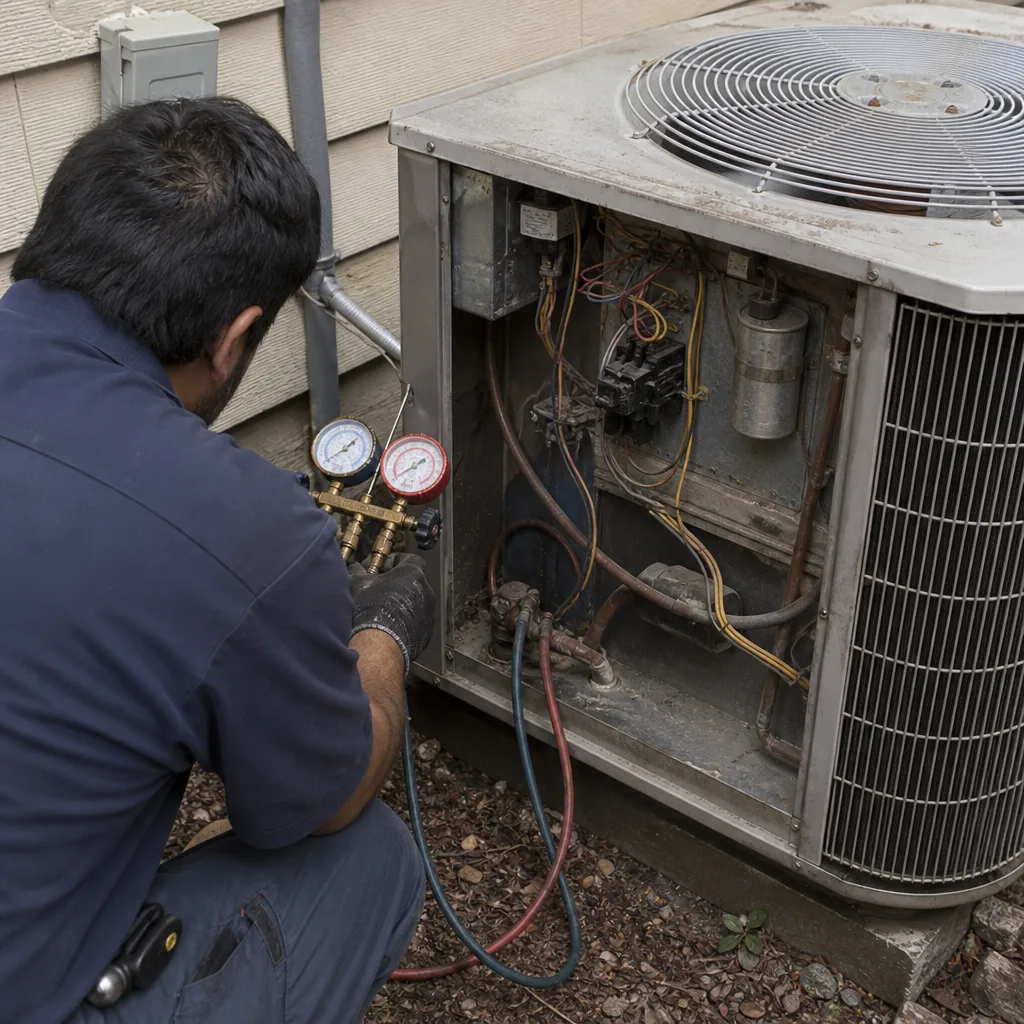 Before
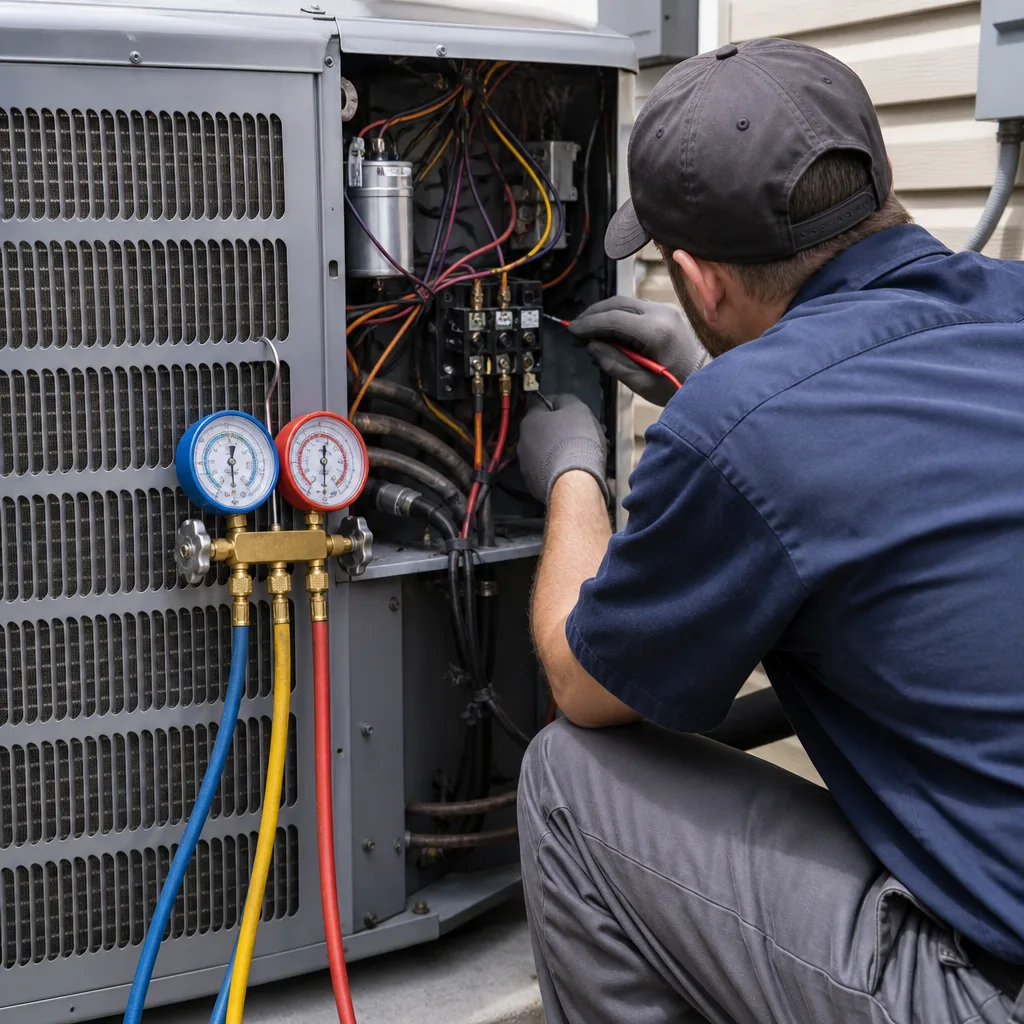 After
After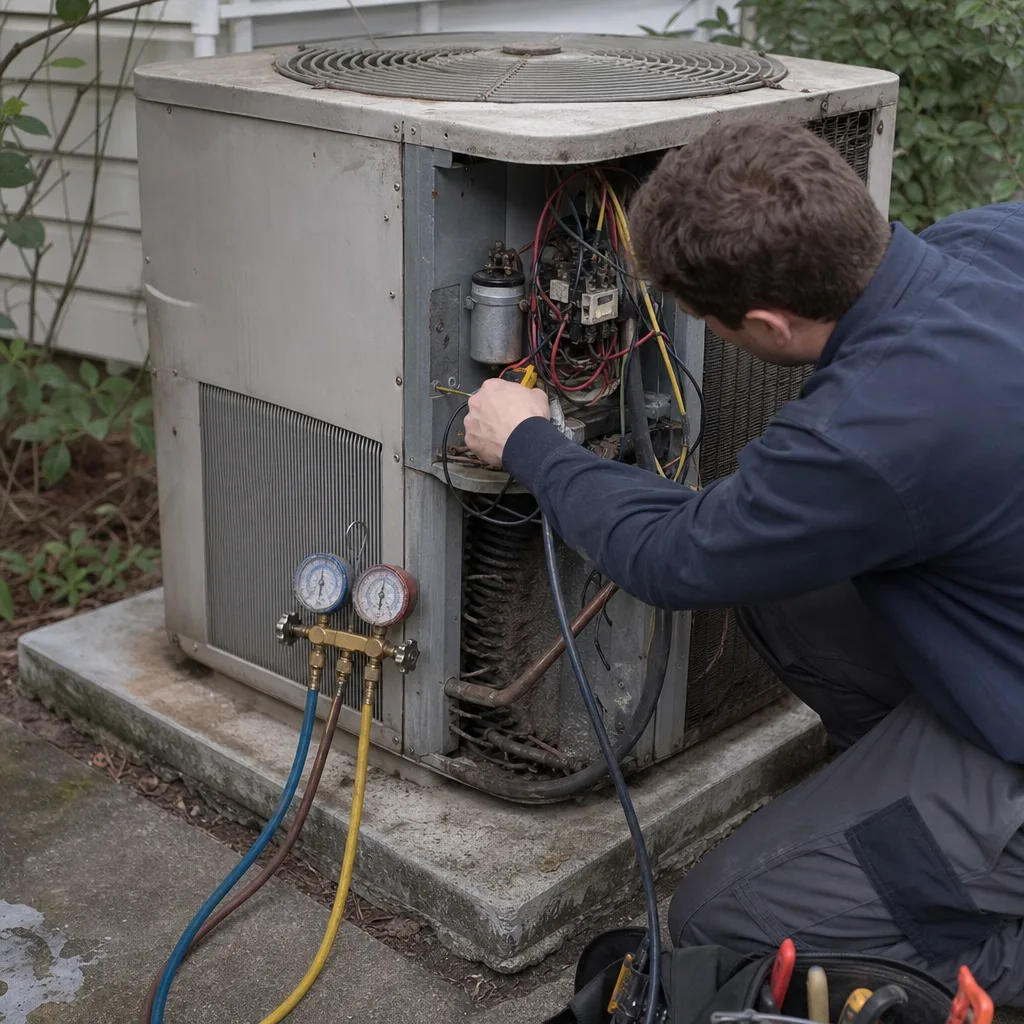 Before
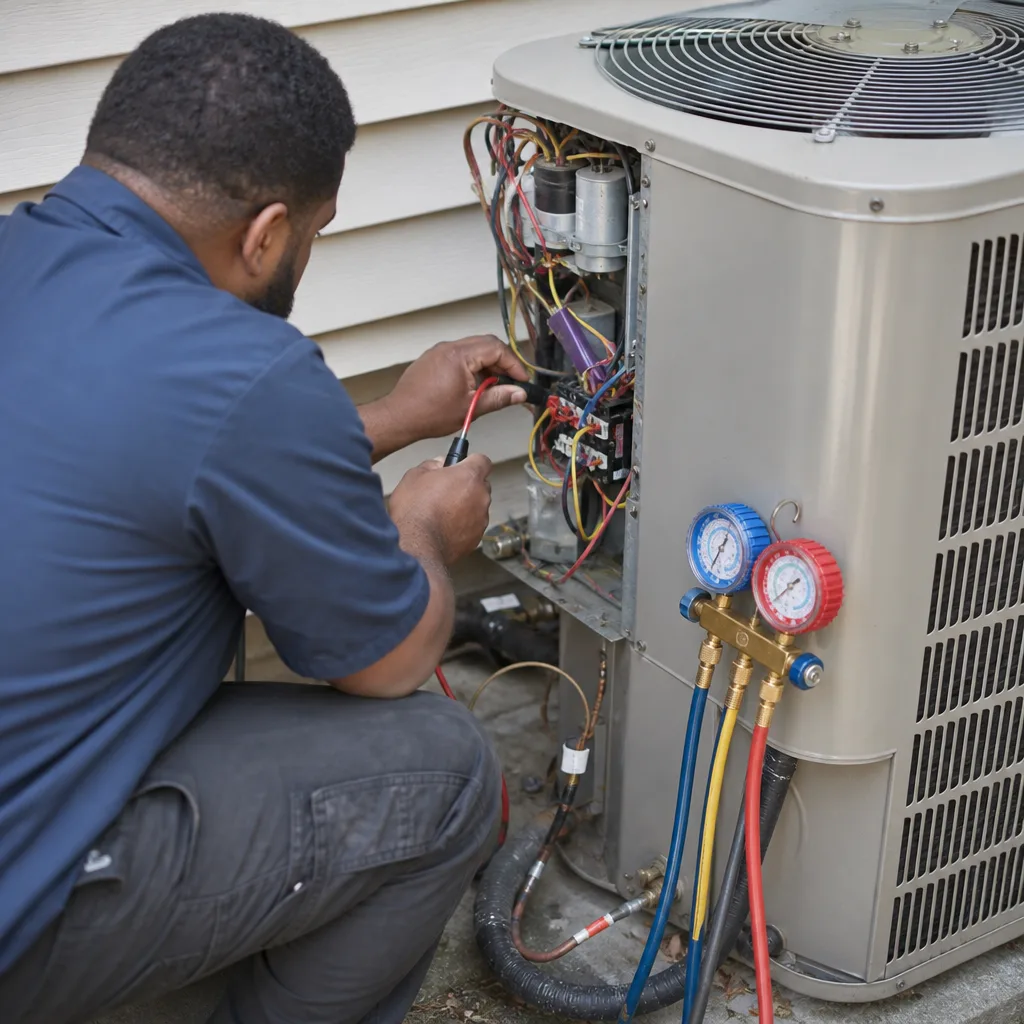 After
After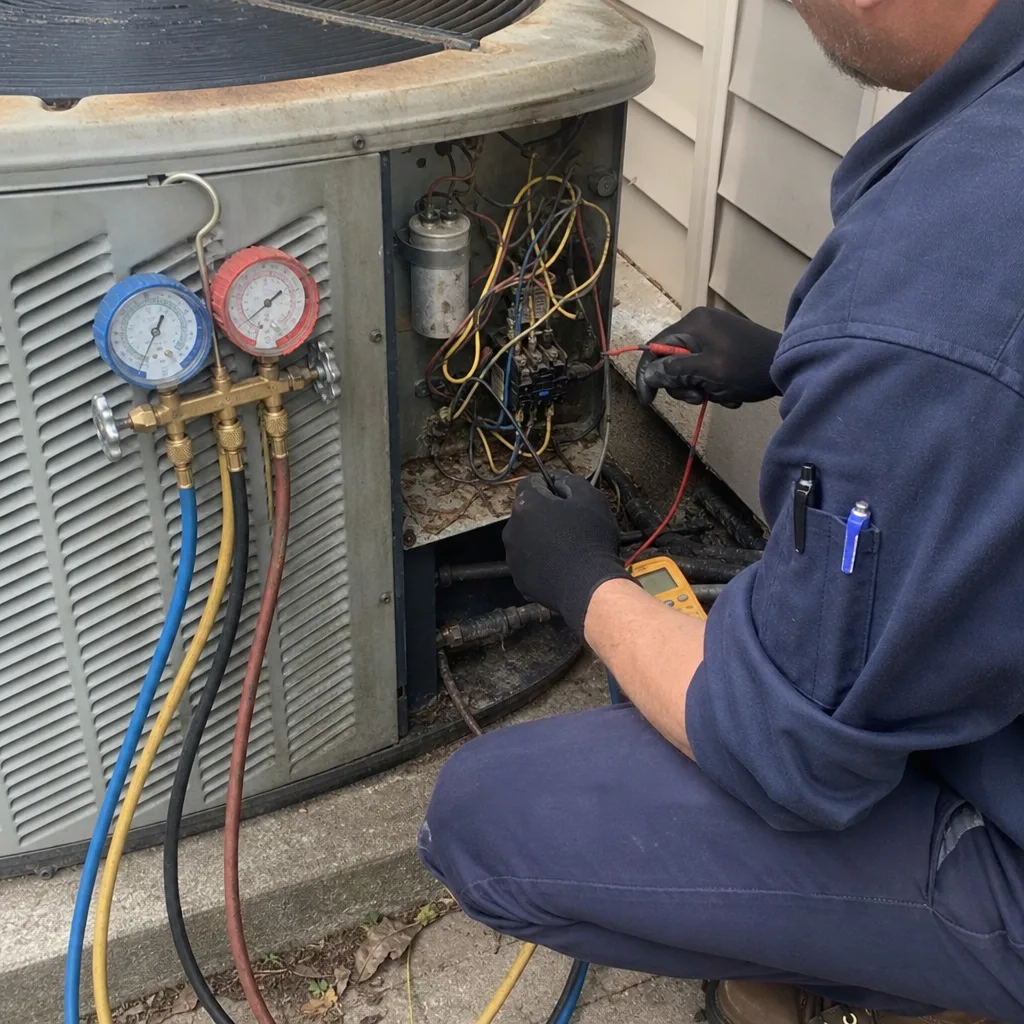 Before
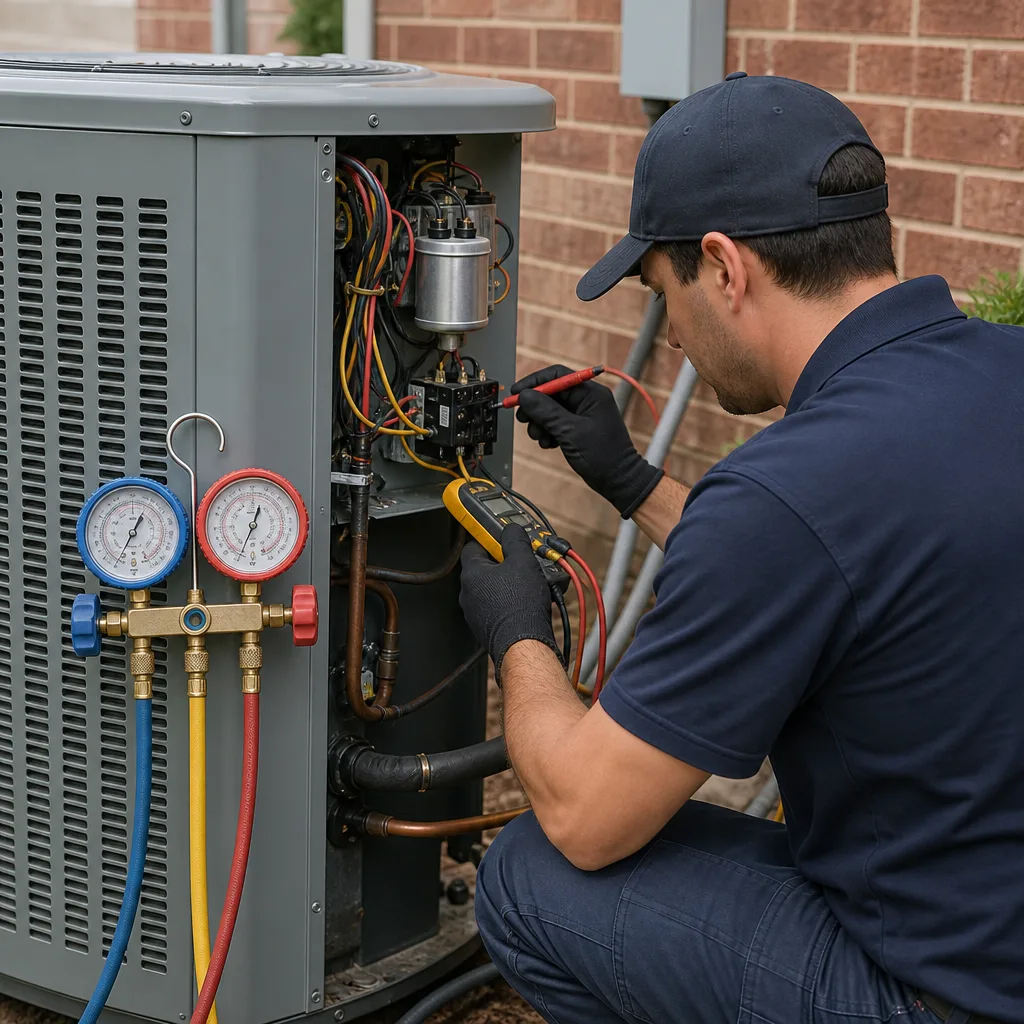 After
AfterWhen to Call a Professional
Some maintenance tasks are homeowner-friendly: changing filters, clearing debris, pouring vinegar down a drain line with an accessible access point. Others require a licensed technician with the right tools, training, and refrigerant-handling certification. Call a professional if you hear grinding or squealing from the outdoor unit, if the system trips a breaker, if the air from your vents is warm when the thermostat is set to cool, if you smell gas near the furnace, if water is pooling around the indoor unit, or if the system starts and stops repeatedly within a few minutes. None of these are problems that fix themselves, and several of them are genuine safety concerns. Brandt HVAC Co Atlanta offers free estimates in Atlanta, and every job begins with a written price before any work starts. Call (762) 465-4570 to schedule your spring or fall maintenance visit. We answer the phone with a live person, 24 hours a day, and we’ll tell you exactly who’s coming to your door before they arrive.
Frequently Asked Questions
Twice a year: once in spring (March or early April) for the cooling system, and once in fall (late October or November) for the heating system. Atlanta’s climate doesn’t require more frequent professional service than that, but if you have pets, allergies, or an older system, monthly filter changes during peak season are wise.
A standard maintenance visit in Atlanta typically runs between $75 and $180, depending on the scope of work and the company. The same visit that catches a failing capacitor in March can prevent a $400 emergency call in July. We provide a written price before any work begins, every time.
No, and Atlanta’s mild winters are exactly the reason not to skip it. Systems that run rarely develop their own problems: gas valves that stick, flame sensors that corrode from disuse, and heat pump reversing valves that fail from lack of cycling. A short annual test keeps the system functional for the few weeks you do need it.
The most common AC problem we see in Atlanta is a clogged condensate drain line, driven by the city’s high humidity and the rapid algae growth that comes with it. The second most common is a failed capacitor, which often presents as a system that hums but won’t start. Both are preventable with a spring maintenance visit.
It depends on the repair and the condition of the rest of the system. A minor repair on a well-maintained 12-year-old system can make sense. A compressor replacement on a 12-year-old system usually doesn’t. The right question isn’t repair versus replace. It’s whether the repair restores reliable service without deferring an inevitable replacement. A technician who can give you that answer honestly is the one to trust.
Yes, and the evidence is in the failure patterns. Systems that receive annual maintenance in Atlanta routinely last 15 to 18 years. Systems that are ignored often fail in 8 to 12 years. The difference is typically a capacitor, contactor, drain line, or refrigerant leak that was caught early instead of allowed to cascade into a compressor or motor failure. Call (762) 465-4570 to schedule maintenance and start building that record now.
The Bottom Line
Atlanta’s HVAC calendar is defined by two heavy seasons and two narrow preparation windows. The work you do in March determines whether you stay cool in July. The work you do in November determines whether you stay warm on the coldest night of January. A twice-yearly maintenance rhythm, a simple written log, and a willingness to test the system before you actually need it will save you money, extend the life of your equipment, and keep your home comfortable every month of the year. We’re glad you’re planning ahead, and we’re here when you need us. For more guides & resources, explore our blog. Call Brandt HVAC Co Atlanta at (762) 465-4570 for a free estimate on your next maintenance visit. Every job begins with a written price, and every technician who comes to your door is someone we’ve already introduced to you by name.
Written by Devin Marlowe, Owner at Brandt HVAC Co Atlanta, serving Atlanta since 2003.